
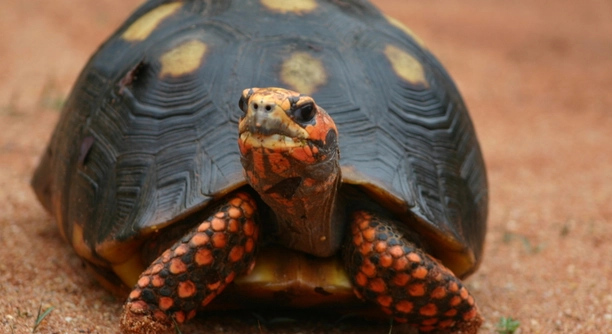
Red-footed tortoises are popular pets due to their gentle nature and long lifespan. However, like any pet, they can develop health issues, including respiratory infections. Recognizing the signs early can help ensure their well-being.
Respiratory infections in red-footed tortoises often manifest through nasal discharge, wheezing, and lethargy. These symptoms are typically caused by environmental factors such as humidity or temperature fluctuations. Prompt treatment is essential to prevent long-term damage.
Understanding the signs of a respiratory infection in your tortoise can help you take quick action. The following signs may indicate your pet needs veterinary attention.
1. Nasal Discharge and Mucus
If you notice mucus or discharge coming from your red-footed tortoise’s nose, it could be an early sign of a respiratory infection. Healthy tortoises generally do not have any nasal discharge. Excessive mucus can be a sign that your tortoise’s body is fighting off an infection or dealing with environmental stress. This issue can occur when the humidity is too high or low, or when temperatures fluctuate too much. A small amount of discharge may not seem like much, but it’s a clear indication that your pet may be unwell.
Nasal discharge can range from clear to thick, greenish mucus. Both are signs that your tortoise needs attention.
If left untreated, nasal discharge can lead to serious issues, including difficulty breathing and overall weakness. Make sure to monitor their habitat’s temperature and humidity levels to avoid further problems. Keep your tortoise’s enclosure warm and dry, and consult a vet if you notice mucus persisting for more than a day or two.
2. Wheezing or Noisy Breathing
Wheezing is another warning sign. Healthy tortoises breathe quietly, but if you hear wheezing or raspy sounds, there could be a respiratory infection affecting their lungs. This noise indicates that air is having difficulty passing through their airways. Wheezing could be caused by swelling or obstruction due to an infection.
Sometimes, the air quality in the enclosure may contribute to these symptoms.
If your tortoise is wheezing, it’s important to act quickly. Keep the environment clean, adjust the temperature, and make sure there’s proper ventilation. A vet visit should not be delayed if the wheezing continues. The sooner you catch the problem, the easier it is to treat and prevent lasting damage. Respiratory infections can severely affect the tortoise’s ability to absorb oxygen, leading to fatigue and further complications.
3. Lethargy and Lack of Activity
Lethargy is a clear sign that something isn’t right with your tortoise. If they are usually active but start spending most of their time hiding or not moving around much, it could point to a respiratory infection. Tortoises are known for being somewhat slow, but they should still be moving around regularly.
When a tortoise has an infection, they may feel exhausted from trying to breathe or dealing with the infection. Lack of activity often comes from struggling to get enough oxygen. Keep an eye on how your tortoise is moving, and don’t dismiss noticeable changes in behavior. If they aren’t moving as much as they usually do, it’s best to monitor them carefully. A vet’s assessment may be necessary to help them regain their energy.
If left untreated, lethargy can lead to more severe complications. Respiratory infections can worsen over time, draining their energy and making them more vulnerable to other health issues. It’s important to address the cause of lethargy early before it becomes more serious.
4. Swelling Around the Eyes or Neck
Swelling around the eyes or neck is another symptom of respiratory infections in red-footed tortoises. If you notice puffiness or bulging near the eyes or neck, it could indicate that the infection has spread to these areas. This often happens when the infection causes fluid buildup in the tissues.
The swelling could be mild or more noticeable, depending on the severity of the infection. Sometimes the skin may appear puffy, and in extreme cases, it may even interfere with the tortoise’s vision. Swelling around the neck is usually a sign of respiratory distress.
This issue should not be ignored, as untreated infections can lead to severe complications. Swelling may worsen if not addressed promptly. Make sure your tortoise’s environment is properly set up with adequate warmth and humidity levels to prevent infections from getting worse. Consult your vet immediately for further treatment if swelling appears. Early intervention can help prevent permanent damage to your tortoise’s health.
5. Changes in Eating Habits
A red-footed tortoise with a respiratory infection may lose interest in food. If your tortoise refuses to eat or seems less enthusiastic about their meals, this could be a sign of illness. Healthy tortoises usually have a strong appetite.
A decreased appetite can be due to difficulty breathing or discomfort caused by the infection. When they are struggling to breathe, eating may not be a priority. It’s essential to monitor their eating habits and ensure they continue to consume enough food. If the lack of appetite persists, it’s time for a vet visit.
A loss of appetite can lead to weight loss, which can further weaken your tortoise. Make sure they are drinking enough water and offer food that is easy for them to eat. Keep their environment stable, and consult your vet if they refuse food for more than a couple of days.
6. Abnormal Breathing Patterns
If you notice that your tortoise’s breathing seems labored or irregular, it’s a sign that they may have a respiratory infection. Abnormal breathing patterns, such as shallow or rapid breaths, are common in sick tortoises.
Infection causes inflammation in the airways, making it harder for your tortoise to breathe comfortably. You may notice them breathing with their mouth open, or they may appear to be gasping for air. These signs require immediate attention from a vet, as they indicate a significant issue affecting their respiratory system.
Prompt treatment is essential to avoid further complications. If left untreated, abnormal breathing can worsen and become life-threatening. A proper diagnosis and timely intervention will help your tortoise recover and return to normal breathing patterns.
7. Increased Respiratory Rate
An increased respiratory rate, or fast breathing, can also signal a respiratory infection. If your tortoise seems to be breathing rapidly or with more effort than usual, it could be a sign that they are struggling to get enough oxygen.
This happens when the infection affects the lungs or upper respiratory tract. As your tortoise fights the infection, it can cause them to breathe faster in an attempt to get more air. This symptom is often accompanied by other signs like wheezing or nasal discharge.
FAQ
What causes a respiratory infection in a red-footed tortoise?
Respiratory infections in red-footed tortoises are often caused by environmental stressors, such as improper humidity or temperature levels in their habitat. Cold, damp conditions are particularly harmful, leading to weakened immune systems. Poor ventilation and unclean enclosures can also contribute to respiratory infections. Sometimes, stress from overcrowding or handling can make tortoises more vulnerable to illness. Keeping their environment stable and clean can significantly reduce the risk.
How can I prevent a respiratory infection in my red-footed tortoise?
To prevent respiratory infections, ensure your tortoise’s enclosure maintains the right temperature and humidity. Aim for a warm, dry area with humidity levels between 60-80%. Use a reliable thermometer and hygrometer to monitor these factors. Keep the habitat clean by regularly changing bedding and removing any uneaten food. Avoid sudden temperature changes or drafts. It’s also essential to avoid overcrowding, as it can lead to stress and make your tortoise more susceptible to illness. A healthy diet and minimal handling also help reduce the risk of infection.
What should I do if my red-footed tortoise shows symptoms of a respiratory infection?
If your tortoise shows symptoms like wheezing, nasal discharge, or lethargy, you should immediately consult a vet. Respiratory infections can worsen quickly, and prompt treatment can help prevent long-term damage. In the meantime, make sure your tortoise’s habitat is kept warm, dry, and clean. Reduce any stress factors and ensure your tortoise has access to fresh water. Avoid handling them more than necessary to reduce stress.
Can I treat my red-footed tortoise’s respiratory infection at home?
While some minor respiratory issues may resolve with proper care and a stable environment, most cases require veterinary attention. A vet will likely prescribe antibiotics or other treatments to help your tortoise recover. It’s important not to self-medicate your tortoise with over-the-counter treatments intended for other animals. Improper medications can be harmful. Always consult a professional before administering any treatment.
How long does it take for a red-footed tortoise to recover from a respiratory infection?
Recovery time depends on the severity of the infection and how quickly treatment is initiated. Mild infections may take a few weeks to heal, while more severe cases could take several months. Your vet will be able to give you a more specific timeline based on your tortoise’s condition. Consistent care, including maintaining proper environmental conditions and following the vet’s instructions, will help speed up the recovery process.
Are respiratory infections in red-footed tortoises contagious?
Respiratory infections in tortoises are not highly contagious between species, but they can be passed from one tortoise to another in a shared environment. If you have multiple tortoises, it’s a good idea to isolate the infected one to avoid spreading the infection. Clean and disinfect their enclosures thoroughly to prevent cross-contamination. It’s also crucial to avoid exposing healthy tortoises to unhealthy environments, as this could increase their risk of developing an infection.
Can I use a humidifier to help my tortoise recover from a respiratory infection?
A humidifier can be helpful in maintaining the right humidity levels in your tortoise’s enclosure, which is essential for their respiratory health. However, a humidifier alone will not treat a respiratory infection. While it can help provide a more comfortable environment, the infection itself still requires proper medical treatment from a vet. Make sure to keep the humidity level around 60-80% to prevent further stress on your tortoise.
What are the signs that a respiratory infection is getting worse in a red-footed tortoise?
If you notice that your tortoise’s symptoms are getting worse, it could mean that the infection is spreading or not being adequately treated. Signs that the infection is worsening include labored breathing, more frequent wheezing, increased nasal discharge, or swelling around the eyes and neck. Lethargy and loss of appetite that do not improve with care can also indicate that the infection is severe. If you see these signs, it’s crucial to seek veterinary help immediately.
Is it safe to bathe my tortoise if it has a respiratory infection?
Bathing your tortoise in lukewarm water is generally safe and can help keep them hydrated, but avoid using water that is too hot or cold. A proper bath may also help with mucus removal, but it should not replace medical treatment. Always focus on providing the right environmental conditions and consulting a vet for a proper diagnosis and treatment plan. Overbathing or exposing your tortoise to too much moisture can stress them out, so be mindful of their needs during recovery.
Can diet affect my red-footed tortoise’s recovery from a respiratory infection?
Yes, diet plays an essential role in your tortoise’s recovery. Offering a balanced, nutrient-rich diet helps support their immune system and gives them the strength to fight off the infection. Focus on leafy greens, safe vegetables, and the occasional fruit, avoiding high-protein foods. Vitamin A-rich foods like carrots and sweet potatoes can help maintain a healthy immune system. Make sure to provide fresh water at all times. A nutritious diet, combined with proper care, will contribute to a faster and more effective recovery.
Should I keep my red-footed tortoise indoors while it recovers from a respiratory infection?
It’s advisable to keep your tortoise indoors during recovery to maintain a controlled environment. This allows you to regulate the temperature and humidity more easily, which is essential for their health. Make sure their enclosure is free from drafts and kept at a warm, stable temperature. If your tortoise is used to outdoor time, it’s important to only take them outside when the weather is warm and the environment is ideal, and to avoid exposing them to any stressors while they recover.
Final Thoughts
Taking care of a red-footed tortoise means paying close attention to its health and well-being. Respiratory infections are a common issue, but with the right care and quick action, they can be treated effectively. The key is recognizing the early signs and understanding how to manage your tortoise’s environment to prevent further health problems. From observing changes in behavior like lethargy to noticing physical symptoms like nasal discharge or wheezing, being attentive to these signs can make a big difference in your tortoise’s recovery.
Prevention is always better than treatment. Maintaining the correct temperature and humidity in your tortoise’s enclosure is essential to keep their immune system strong and prevent respiratory infections. A clean, stable environment reduces stress and helps ensure your tortoise stays healthy. Also, ensuring they have a proper diet with the right nutrients, like vitamin A, can help boost their immune system. If you’re ever in doubt about what your tortoise needs, reaching out to a vet will provide the best guidance and treatment options.
While respiratory infections can be a serious health concern, they are treatable with proper care. Always consult a vet if you notice any unusual symptoms, and follow their advice for treatment and recovery. Remember, tortoises need time to heal, so being patient and providing them with a comfortable and supportive environment will go a long way. By staying vigilant and informed, you’ll help ensure your red-footed tortoise remains happy and healthy for years to come.

Hello,
If you enjoy the content that we create, please consider saying a "Thank You!" by leaving a tip.
Every little bit helps us continue crafting quality advice that supports the health, happiness, and well-being of pets around the world, for pets of all shapes, sizes, and species.
We really appreciate the kindness and support that you show us!