
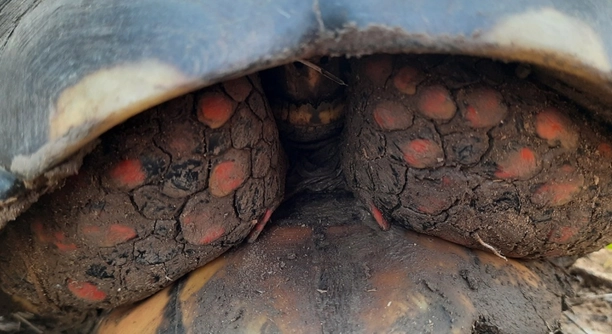
When caring for a red-footed tortoise, it’s essential to create a safe and healthy environment. This includes choosing the right plants for their enclosure. Some plants can be harmful to these tortoises, so it’s crucial to know which ones to avoid.
Certain plants can be toxic or cause digestive issues for red-footed tortoises. These include plants that are high in oxalates, which can lead to kidney problems or cause upset stomachs if consumed.
Knowing which plants are safe and which to avoid will help protect your tortoise from harmful effects. In the following sections, we will highlight some plants that should never be included in a red-footed tortoise enclosure.
1. Oleander
Oleander is a popular garden plant, but it’s incredibly toxic to red-footed tortoises. Every part of the plant contains compounds called cardiac glycosides, which can lead to heart failure if ingested. Even small amounts can be deadly, making it dangerous to have around these tortoises.
Tortoises may be attracted to its fragrant flowers, but any attempt to consume them can be fatal. Avoid planting oleander in areas where your tortoise roams or has access to.
Because of its toxic nature, it’s important to remove any oleander plants near your tortoise’s enclosure. They can also come into contact with the leaves and flowers if they wander outside of their designated space. To keep your tortoise safe, be vigilant about eliminating this plant from your surroundings. Ensure that the tortoise’s habitat is free of harmful vegetation. If you notice any signs of poisoning, such as lethargy or difficulty breathing, contact a vet immediately for treatment.
2. Foxglove
Foxglove is another plant that is highly toxic to red-footed tortoises. It contains digitalis, a substance that can disrupt the heart’s rhythm and cause severe damage. Even small quantities of foxglove can be fatal.
Red-footed tortoises are naturally curious and might try to nibble on plants. Keep them away from foxglove to avoid any health issues.
3. Azalea
Azaleas are toxic to red-footed tortoises due to a substance called grayanotoxin, which affects the nervous system. Consuming even small amounts can cause symptoms such as vomiting, diarrhea, and, in severe cases, death.
Tortoises may be attracted to the bright colors of the azalea flowers, but they can easily become ill if they ingest any part of the plant. It’s crucial to remove these plants from your tortoise’s enclosure or any nearby outdoor areas.
If your tortoise eats azalea leaves, take them to a vet right away. While symptoms might take time to appear, early intervention can make a big difference in recovery. Keep azaleas out of their reach to avoid such risks.
4. Dieffenbachia
Dieffenbachia, also known as “dumb cane,” contains compounds that can cause irritation to the mouth, throat, and digestive system of red-footed tortoises. The plant is harmful if ingested, causing swelling and difficulty swallowing.
While the leaves may look attractive to your tortoise, they should never be consumed. The plant’s toxicity can lead to painful reactions, such as drooling, inability to eat, or digestive upset. If you notice these signs, consult with a veterinarian immediately.
Keep dieffenbachia plants out of the tortoise’s habitat to avoid accidental ingestion. By removing it from their environment, you can ensure that your tortoise stays healthy and avoids any unnecessary risks.
5. Tomato Plant
Tomato plants, including their leaves and stems, contain solanine, a toxic substance for red-footed tortoises. Solanine can cause digestive issues, lethargy, and even death in severe cases.
Tortoises may be drawn to the plant due to its smell or leaves, but eating them can lead to serious health issues. Avoid planting tomato plants in your tortoise’s enclosure.
Make sure your tortoise doesn’t have access to tomato plants. The risks are significant, so be sure to remove any parts of the plant if found near their habitat. If any signs of poisoning appear, seek vet care immediately.
6. Rhubarb
Rhubarb is another dangerous plant for red-footed tortoises. Its leaves contain oxalic acid, which can cause kidney damage and digestive problems when consumed.
This plant should never be introduced to your tortoise’s environment. Keep it far from their reach to prevent accidental ingestion.
7. Yew
Yew contains toxins, particularly taxine alkaloids, that can cause severe heart problems and death if ingested by red-footed tortoises. Even small amounts can be harmful.
Make sure yew plants are not part of your tortoise’s enclosure. If ingested, it can result in immediate poisoning, so remove any nearby yew plants to ensure their safety.
FAQ
What plants are safe for a red-footed tortoise?
Red-footed tortoises can safely eat a variety of plants, such as grasses, hibiscus flowers, dandelions, clover, and certain types of succulents. Leafy greens like kale, collard greens, and mustard greens are also good options. It’s important to choose plants that are not too high in oxalates or toxins, as they can cause health issues.
Ensure that the plants you provide are pesticide-free. Also, avoid offering them plants from unknown sources or those that could have been treated with chemicals. It’s best to research each plant you consider adding to the enclosure to be sure it’s safe for your tortoise.
How do I know if my tortoise has eaten something toxic?
If your red-footed tortoise has eaten something toxic, the symptoms can vary. Common signs include lethargy, loss of appetite, drooling, difficulty moving, diarrhea, and vomiting. In some cases, you may notice changes in their breathing or heart rate.
If any of these symptoms occur, it’s important to take your tortoise to a vet immediately. The sooner they receive treatment, the better the chances of a full recovery. Be sure to mention what the tortoise may have eaten, as it can help the vet provide the best care.
Can red-footed tortoises eat fruit?
Yes, red-footed tortoises can eat certain fruits in moderation. Some good options include papaya, mango, strawberries, and bananas. However, fruit should only make up about 10% of their diet, as it’s high in sugar. Overfeeding fruit can lead to digestive problems and other health issues.
Be sure to remove any seeds or pits from fruits, as they may be harmful. Also, avoid feeding your tortoise citrus fruits, as they can upset their stomach and cause issues with digestion. Stick to safe, non-toxic options and offer fruit as an occasional treat.
Are there any plants that should be avoided in outdoor enclosures?
Yes, there are many plants that should be avoided in outdoor enclosures. Aside from the common toxic plants like oleander, azalea, and tomato plants, there are others such as daffodils, poison ivy, and poison oak that should never be near your tortoise’s habitat.
Even common garden plants like lupine and lily of the valley can be harmful. Always do a thorough check of the plants in the area, especially if your tortoise has access to free-roaming space outdoors. Research each plant species before planting it in your garden, and remove anything that could be toxic to your tortoise.
Can red-footed tortoises eat weeds?
Red-footed tortoises can eat certain weeds, but it’s essential to know which ones are safe. Weeds like dandelions, clover, and plantain are good choices for tortoises. These provide beneficial nutrients and are often found in the tortoise’s natural diet in the wild.
However, not all weeds are safe. Avoid weeds from areas that may have been treated with herbicides or pesticides. Always inspect the weeds to ensure they are free from chemicals, and wash them thoroughly before offering them to your tortoise.
How can I create a tortoise-friendly enclosure?
Creating a tortoise-friendly enclosure means providing a safe, comfortable environment with plenty of space, food, and shelter. Your tortoise’s habitat should include a variety of plants, both edible and decorative, that are safe for consumption.
Incorporate natural elements such as logs, rocks, and hiding spots. A proper heat source is essential for thermoregulation, and the enclosure should have a humidity level suited to the species. Make sure the enclosure is escape-proof and provides both sun and shade areas for your tortoise to choose from. Avoid any toxic plants or materials that could harm them.
Can I let my tortoise roam free in the garden?
Letting your red-footed tortoise roam in the garden can be a good way to offer them a more natural environment, but it comes with risks. First, ensure that the garden is free of toxic plants, pesticides, or chemicals that could harm your tortoise.
If you let them roam, supervise their time outside to ensure they don’t wander off or get into dangerous areas. Check for any plants they might try to eat, and be cautious of hazards such as pets, insects, or heavy foot traffic. The garden should have a safe, enclosed area to prevent escapes.
What should I do if my tortoise eats something harmful?
If your red-footed tortoise eats something harmful, it’s important to act quickly. First, remove them from the area and try to monitor them for any immediate signs of illness. Contact a veterinarian who specializes in reptiles or exotics as soon as possible.
The vet may induce vomiting or perform other treatments to prevent further harm. Always have the plant or substance your tortoise ingested on hand to show the vet. This helps them determine the best course of treatment based on the toxin involved. Time is crucial, so don’t delay seeking professional help.
Final Thoughts
When caring for a red-footed tortoise, it’s important to provide a safe and healthy environment, and choosing the right plants is a key part of that. Many plants, even common ones, can be harmful or toxic to your tortoise, so it’s crucial to avoid them. Understanding which plants are safe and which to stay away from will help ensure that your tortoise thrives in its enclosure. By selecting non-toxic plants, you create a space where your tortoise can roam freely without the risk of poisoning or illness.
It’s also essential to keep in mind that not all plants are harmful at first glance. Some plants that look harmless may contain toxins that could cause serious health issues. Regularly check the plants in your tortoise’s environment and research any new ones you plan to introduce. While certain plants like hibiscus, dandelions, and clover are great choices, others like oleander, tomato plants, and azaleas should be kept far away from your tortoise. Be aware of your tortoise’s habits and watch out for any signs of illness in case they accidentally nibble on something they shouldn’t.
Creating a safe, plant-filled enclosure involves more than just choosing the right plants. It’s important to offer a varied and balanced diet for your tortoise, which includes fresh, safe greens and vegetables. Additionally, maintain proper temperature, humidity, and shelter in the enclosure to support their overall health. Always be cautious and observant, keeping your tortoise’s well-being as your top priority. By staying informed and removing harmful plants, you can ensure your red-footed tortoise lives a long, healthy life in a safe and natural environment.

Hello,
If you enjoy the content that we create, please consider saying a "Thank You!" by leaving a tip.
Every little bit helps us continue crafting quality advice that supports the health, happiness, and well-being of pets around the world, for pets of all shapes, sizes, and species.
We really appreciate the kindness and support that you show us!