
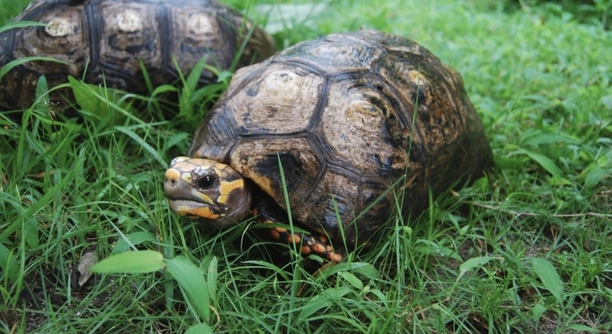
Red-footed tortoises are fascinating creatures, but if you notice your pet biting its own legs, it can be concerning. This behavior may seem strange, but it is more common than you might think. Understanding why this happens can help you address the issue.
Red-footed tortoises may bite their own legs due to stress, boredom, or health problems. It can also be a sign of a behavioral issue, especially if they lack proper stimulation or are kept in an environment that doesn’t meet their needs.
There are several factors to consider when addressing this behavior, including their habitat, diet, and overall well-being. Recognizing the cause will help you take steps to prevent further harm to your tortoise.
Possible Causes of Red-Footed Tortoise Leg Biting
When your red-footed tortoise starts biting its own legs, it might be a sign of stress. This can come from various sources, like changes in the environment, improper housing, or even loud noises. Tortoises thrive in a calm, predictable environment. If they’re feeling threatened or uncomfortable, they may resort to this behavior. Another cause could be boredom. These animals are curious and need mental stimulation. Without proper toys or a change of scenery, they may begin to entertain themselves in unhealthy ways, like leg-biting. Additionally, diet issues, such as a lack of proper nutrients, might contribute to their anxiety or discomfort.
It’s important to ensure that your tortoise’s living space is quiet, safe, and enriched with opportunities to explore. If they don’t have enough room or objects to interact with, their frustration may manifest in leg-biting.
A healthy diet can also help alleviate stress. Make sure your tortoise has a well-balanced meal, with plenty of fresh vegetables and fruits. If the behavior persists, consider consulting a veterinarian to rule out any health issues. Keeping your tortoise well-fed, hydrated, and active can go a long way in preventing these habits.
Stress and Anxiety in Red-Footed Tortoises
Stress is a common reason for unusual behavior in red-footed tortoises.
Changes in temperature, humidity, and habitat conditions can overwhelm these creatures. Too much handling can also cause distress, making them act out by biting. A stable, controlled environment with proper lighting and temperature helps reduce stress and prevents such behavior from happening.
Improper Housing Conditions
Red-footed tortoises need a specific setup to thrive. If their habitat isn’t right, they can get stressed and start biting their legs. An enclosure that is too small, too hot, or too cold can cause discomfort. They need a space that is large enough to roam and explore. If the enclosure is cramped or doesn’t offer proper hiding spots, they may feel trapped and anxious.
A lack of hiding spots can make your tortoise feel exposed. If they don’t have a place to retreat to when they feel stressed, they may bite their own legs as a way to deal with that anxiety. Make sure their enclosure has a warm and cool side, providing them with the temperature gradient they need. You also want to ensure they have access to proper UVB lighting for their health.
The flooring in their habitat also plays a role. If it’s too rough or uncomfortable, they may bite their legs out of irritation or boredom. Providing softer substrates like coconut fiber can give them a more comfortable environment. Regularly clean their habitat and ensure they have access to fresh water at all times.
Health Issues to Consider
Sometimes, leg-biting can be linked to health issues.
Tortoises can experience pain or discomfort from injuries, infections, or parasites. If your tortoise is biting its legs, it could be a response to an internal issue that makes them uncomfortable. Infections on the legs or other parts of the body might lead them to try and “treat” themselves by nibbling at the area. A quick check-up with a vet can rule out these health concerns and help get your tortoise back on track.
Diet-Related Issues
An improper diet could be a cause of your tortoise’s leg-biting behavior. If they’re lacking essential nutrients, it can cause discomfort and frustration. A poor diet might also lead to deficiencies in calcium and other vitamins, which can impact their overall health and well-being.
Ensure your tortoise is getting a variety of leafy greens, vegetables, and occasional fruits. A diet high in fiber is important for digestive health. Calcium supplements, if recommended by a vet, can also prevent deficiencies and improve their overall health. A balanced diet will keep them happy and reduce the chances of them biting their legs.
Boredom and Lack of Stimulation
Red-footed tortoises need mental stimulation to stay healthy. Without enough activity or interesting things to do, they may resort to harmful behavior like leg-biting.
To help prevent boredom, provide toys, logs, or plants for them to explore. Offering a variety of objects to climb on and interact with can keep their minds active. Tortoises enjoy the challenge of finding food and exploring new areas. A more enriching environment can reduce stress and prevent unwanted behaviors.
FAQ
Why is my red-footed tortoise biting its own legs?
Leg-biting in red-footed tortoises can happen for various reasons. It’s often caused by stress, boredom, or discomfort. If their environment is too small or not stimulating enough, they may chew on their legs as a way to deal with their frustration. Health problems like infections or nutritional deficiencies can also lead to leg-biting. It’s important to assess their habitat, diet, and health regularly to prevent this behavior.
How can I stop my tortoise from biting its legs?
To stop your tortoise from biting its legs, ensure it has a proper habitat with enough space to move around. Include areas for hiding, climbing, and exploring. Providing a balanced diet with plenty of fresh vegetables and fruits, along with calcium supplements, can help reduce discomfort. If the behavior continues, consult a vet to rule out health issues.
Can stress cause my tortoise to bite its legs?
Yes, stress is one of the main causes of leg-biting in tortoises. Stress can be triggered by environmental factors like temperature changes, noise, or overcrowding. If your tortoise feels unsafe or threatened, it might bite its legs as a way to cope with the anxiety. Ensuring a calm and stable environment can help alleviate stress and prevent this behavior.
How do I know if my tortoise’s leg-biting is a health issue?
If your tortoise is biting its legs, it could be a sign of a health issue. Look for signs like swelling, redness, or any visible injuries on the legs. If your tortoise seems lethargic or refuses to eat, these could also be signs of illness. A visit to the vet will help identify any potential health problems like infections, parasites, or injuries.
What should I do if my tortoise’s legs are injured from biting?
If your tortoise has injured its legs from biting, it’s important to clean the wounds with a mild antiseptic and keep the area dry to prevent infection. If the injury seems serious or if the biting continues, consult a veterinarian for proper treatment. They can provide advice on how to treat the wound and prevent further damage.
Can diet cause leg-biting in red-footed tortoises?
A poor diet can contribute to leg-biting in tortoises. If they are not getting enough essential nutrients like calcium and fiber, they may experience discomfort or frustration, which can lead to biting. Make sure your tortoise has a balanced diet with plenty of leafy greens, vegetables, and fruits. Adding calcium supplements, as advised by a vet, can help prevent deficiencies.
How can I improve my tortoise’s diet?
To improve your tortoise’s diet, provide a variety of leafy greens such as dandelion, collard greens, and mustard greens. You can also offer vegetables like carrots and squash. Occasionally, fruits like strawberries or papaya can be given as a treat. Avoid feeding them too many high-oxalate foods, such as spinach, which can interfere with calcium absorption.
What are the signs that my tortoise is bored?
If your tortoise is bored, it may start engaging in repetitive behaviors like biting its legs, pacing back and forth, or becoming inactive. A lack of interest in food or surroundings is also a sign of boredom. Provide them with new objects to interact with, such as logs, rocks, or plants, to keep them entertained and mentally stimulated.
How much space does my red-footed tortoise need?
Red-footed tortoises need ample space to roam. Ideally, their enclosure should be at least 4-6 feet long and 3 feet wide for a single tortoise. The more space they have, the better. Providing a larger area for them to explore will help reduce stress and prevent them from biting their legs out of boredom.
Should I provide a hiding spot for my tortoise?
Yes, providing a hiding spot is important for your tortoise’s well-being. Red-footed tortoises are shy animals that appreciate a place to retreat when they feel stressed or scared. You can use logs, caves, or even plants to create hiding areas in their enclosure. This will help them feel secure and reduce anxiety, which can prevent leg-biting.
Can leg-biting be a sign of dehydration in tortoises?
Dehydration can lead to discomfort and behavior changes in tortoises, including leg-biting. If your tortoise isn’t drinking enough water, it may try to find relief by biting at its legs. Make sure your tortoise always has access to fresh water, and consider soaking them in warm water for 20-30 minutes a few times a week to keep them hydrated.
How can I tell if my tortoise’s biting is behavioral or health-related?
To determine if the leg-biting is behavioral or health-related, observe your tortoise closely. If the biting is accompanied by signs like swelling, redness, or changes in appetite and energy levels, it could be a health issue. If there are no physical signs of injury or illness and your tortoise is otherwise healthy, the behavior is likely caused by boredom or stress.
Can I stop my tortoise from biting its legs by changing its environment?
Changing your tortoise’s environment can help stop leg-biting, especially if stress or boredom is the cause. Make sure the temperature and humidity levels are appropriate, and provide enough space for your tortoise to roam. Adding enrichment like rocks, logs, and plants can give them mental stimulation and reduce unwanted behavior.
Should I take my tortoise to a vet if the leg-biting continues?
Yes, if the leg-biting continues despite changes in their habitat and diet, it’s a good idea to consult a vet. A vet can check for any underlying health problems and offer solutions to address the behavior. If your tortoise’s legs are injured or infected, they can provide treatment to prevent further harm.
What temperature should my red-footed tortoise’s habitat be?
Red-footed tortoises need a temperature gradient in their enclosure, with a warm side around 85-90°F (29-32°C) and a cooler side around 70-75°F (21-24°C). This allows them to regulate their body temperature. Keep in mind that temperature fluctuations can cause stress, so maintaining a stable environment is key to preventing leg-biting behavior.
Final Thoughts
If your red-footed tortoise is biting its own legs, it’s important to take a closer look at its living conditions. Stress, boredom, and health issues are the main reasons behind this behavior. A calm, safe environment with enough space for your tortoise to explore can reduce stress. Ensuring they have proper temperature, humidity, and hiding spots will help them feel secure. If they don’t have enough room to roam or mental stimulation, they may resort to biting their own legs out of frustration. Providing enrichment, like plants and rocks to climb on, can help keep their minds active and distracted from such behaviors.
Diet plays a key role in your tortoise’s overall health. If they’re not receiving the right nutrients, such as calcium and fiber, they may experience discomfort that leads to biting. A well-balanced diet consisting of leafy greens, vegetables, and occasional fruits is essential. Calcium supplements may also be needed, especially if your tortoise isn’t getting enough through their food. It’s also important to monitor their water intake and consider soaking them to keep them hydrated. If you’re unsure about their dietary needs, consulting with a vet is always a good idea to ensure they’re getting everything they need for a healthy life.
In some cases, leg-biting could be a sign of a more serious health issue, such as infections or parasites. If the behavior persists despite making changes to their habitat and diet, it’s best to seek professional help. A vet can check for any underlying health conditions and offer treatment options if necessary. By addressing potential stressors, providing proper care, and ensuring good health, you can reduce the chances of your tortoise biting its legs. Keeping a watchful eye on their behavior and well-being will go a long way in maintaining their happiness and health.

Hello,
If you enjoy the content that we create, please consider saying a "Thank You!" by leaving a tip.
Every little bit helps us continue crafting quality advice that supports the health, happiness, and well-being of pets around the world, for pets of all shapes, sizes, and species.
We really appreciate the kindness and support that you show us!