
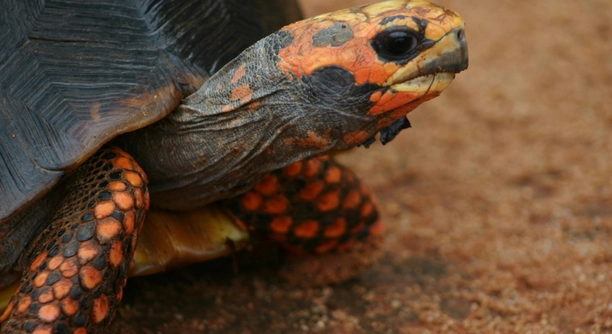
If you’ve noticed your red-footed tortoise hissing, you may be wondering what’s causing this unusual behavior. Understanding the reasons behind it can help you care for your pet more effectively.
The hissing sound from your red-footed tortoise could indicate stress, fear, or discomfort. It is a natural vocalization that can occur during handling, when threatened, or when the tortoise is feeling unwell.
There are several factors at play that can cause this behavior, from environmental changes to health issues. Learning about these will help you take better care of your tortoise and keep them happy.
Stress and Anxiety
Red-footed tortoises can be sensitive creatures, and stress is one of the leading reasons they hiss. When they feel threatened or overwhelmed, they may use hissing as a way to communicate distress. Stress can arise from sudden changes in their environment, such as moving to a new habitat, loud noises, or even unfamiliar people. If you’re handling your tortoise too roughly or too often, this can also cause anxiety. Their natural response is to try and scare off what they see as a potential danger, and hissing is a part of that defense mechanism.
Sometimes, a tortoise may hiss during feeding times if they feel cornered or if there’s too much competition for food. It’s essential to give them a peaceful, quiet space to eat and ensure that their habitat feels secure. Keeping their environment stable and calm can help reduce this stress and minimize hissing.
Managing stress in red-footed tortoises requires patience and attention. By providing them with a quiet, comfortable, and predictable environment, you can reduce the likelihood of stressful situations. Monitor their behavior closely, and if the hissing becomes excessive, it’s important to reassess their environment. This simple step will help ensure that your tortoise feels safe and secure in its surroundings.
Illness or Injury
Hissing could also indicate that your red-footed tortoise is not feeling well. If your pet is injured or in pain, it may use vocalizations as a way to show discomfort. This could happen if it has a shell injury, cuts, or even internal issues that cause it pain. In some cases, your tortoise may not hiss immediately after an injury, but it could become more frequent as the pain worsens.
If you notice your tortoise hissing more often and showing signs of lethargy, loss of appetite, or abnormal behavior, it’s important to take them to a veterinarian. A thorough check-up can rule out any health concerns and give you peace of mind. Ignoring potential illness or injury could lead to more severe problems down the road.
The health of your tortoise should always come first. Pay close attention to any changes in their behavior and ensure they receive the necessary care when needed. If in doubt, it’s always better to seek professional advice. A healthy tortoise will be more active, and their behavior will improve once they’re back to full health.
Territorial Behavior
Red-footed tortoises can be quite territorial, and hissing is one way they defend their space. If they feel that their territory is being invaded, whether by another tortoise or even by a human, they may hiss as a warning. This behavior is instinctual, as they are naturally inclined to protect their environment.
If you have multiple tortoises or other pets, you might notice more hissing when they come too close to each other. To minimize territorial aggression, make sure that each tortoise has its own space to roam and relax. This will help reduce stress and prevent constant hissing.
It’s important to respect their space. Try not to force interactions between tortoises, and avoid putting them together in the same area if they’re not accustomed to each other. Allow them to acclimate at their own pace. By keeping their habitats separate or providing a larger area, you can minimize conflict and ensure they feel secure. This simple approach will help them feel at ease and reduce the hissing.
Handling and Interaction
Improper handling can lead to your tortoise hissing, especially if it feels threatened or uncomfortable. They are not used to being picked up or handled often, and excessive handling can cause them stress. While it’s natural to want to interact with your pet, it’s essential to respect their boundaries.
When handling your tortoise, make sure you do so gently and only when necessary. Avoid grabbing them quickly or forcefully, as this can trigger a defensive reaction. If they feel unsafe or uncomfortable in your hands, they may hiss to signal their distress. It’s best to allow your tortoise to explore their environment at their own pace without constant interference.
Let them come to you when they feel ready. If you must pick them up, make sure your hands are steady and that they feel supported. Handle them for short periods to avoid overwhelming them. Over time, with gentle and respectful handling, your tortoise will become more comfortable with interaction and will likely hiss less.
Environmental Factors
Changes in the environment can cause a red-footed tortoise to hiss. Sudden shifts in temperature, humidity, or lighting can make them feel uncomfortable or stressed. This may lead to defensive behaviors, including hissing, as they attempt to signal distress.
It’s important to maintain a stable and appropriate environment for your tortoise. Keep their habitat temperature, humidity, and light levels consistent to avoid triggering unnecessary stress. A comfortable environment can greatly reduce the chances of your tortoise feeling threatened or upset. By offering a familiar, stable space, you’ll help keep them relaxed.
Diet and Feeding
Improper or inconsistent feeding can also contribute to hissing. If a tortoise isn’t getting enough food or the right nutrients, it may feel frustrated or anxious, leading to vocalizations like hissing. Ensuring that your tortoise has access to fresh food regularly is crucial.
Offer a balanced diet rich in leafy greens, fruits, and calcium. Be mindful of portion sizes and feeding times, as tortoises can get agitated if they’re not fed properly. A well-fed tortoise will be more content and less likely to hiss, as hunger-related stress will be minimized.
Breeding Behavior
During the breeding season, red-footed tortoises may hiss more frequently. This is especially true for males, who might hiss to show dominance or to attract females. These vocalizations are part of their natural mating behavior.
If you notice increased hissing during this time, it’s likely related to their instincts. Ensure that their habitat is suited for breeding, with enough space and privacy. Reducing stress and providing environmental enrichment will help manage these behaviors and keep the tortoise at ease during this natural phase.
FAQ
Why is my red-footed tortoise hissing at me?
Hissing can be a sign that your tortoise feels threatened or stressed. It’s a natural defense mechanism used to ward off potential danger. If your tortoise hisses when you approach or handle it, it may be because it feels uncomfortable or unsafe. Red-footed tortoises are not accustomed to being picked up often, so it’s important to respect their boundaries and avoid excessive handling. Make sure their environment is calm, stable, and secure to reduce the likelihood of them feeling threatened.
Can stress cause a red-footed tortoise to hiss?
Yes, stress is one of the most common causes of hissing. Changes in their environment, such as temperature fluctuations, noisy surroundings, or new pets, can cause them to feel anxious or unsafe. Hissing is a way for them to communicate this stress. To reduce stress, ensure that their habitat is quiet, stable, and free from sudden disturbances. Provide plenty of hiding spots and a consistent routine to help them feel secure.
How can I tell if my tortoise is hissing due to pain or injury?
If your tortoise is hissing frequently and showing signs of discomfort like lethargy, lack of appetite, or changes in behavior, it could be a sign of pain or injury. It’s important to examine your tortoise for visible injuries, such as scratches, bruises, or shell damage. If you suspect your tortoise is injured or unwell, a visit to the veterinarian is necessary. Health problems can cause them to hiss as a way of signaling distress or discomfort, so be sure to address any health concerns promptly.
Does hissing mean my red-footed tortoise is angry?
Hissing is not necessarily an indication of anger but rather a defensive behavior. When a tortoise hisses, it’s usually because it feels threatened, frightened, or stressed. This vocalization is more about expressing discomfort or the need for personal space. Red-footed tortoises are not typically aggressive by nature, but they may hiss if they feel cornered, scared, or overwhelmed. Giving them space and allowing them to adjust to their environment can help reduce these defensive behaviors.
What can I do to prevent my tortoise from hissing?
To reduce hissing, focus on minimizing stressors in your tortoise’s environment. Make sure their habitat is quiet, secure, and free from sudden changes. Handling should be gentle and infrequent, and only done when necessary. If you have multiple tortoises or other pets, try to give each animal enough space to avoid territorial disputes. Regularly check their health and diet to ensure they are comfortable and well-fed. By creating a calm, stable environment, you can help your tortoise feel more secure and reduce hissing.
Can hissing be a sign that my tortoise is just being vocal?
Some red-footed tortoises may be more vocal than others, and occasional hissing may not always be a cause for concern. If the hissing is occasional and your tortoise seems otherwise healthy, it could simply be a way for them to communicate. However, if it becomes frequent or is accompanied by signs of stress, illness, or injury, it’s worth investigating further. Monitor your tortoise’s behavior closely and make sure they are not experiencing discomfort or distress.
Should I worry if my red-footed tortoise hisses during feeding?
If your tortoise hisses during feeding, it might feel territorial or stressed, especially if there are other animals nearby or if the food is not easily accessible. It’s essential to provide a calm, quiet space for them to eat without interference from other pets. If you have multiple tortoises, feeding them in separate areas can help reduce competition and prevent hissing. Also, make sure your tortoise is receiving a balanced diet and that their food is fresh and nutritious.
How often should I handle my red-footed tortoise to avoid stress?
You should handle your red-footed tortoise sparingly to avoid stress. Unlike some pets, tortoises don’t crave constant interaction and may become stressed if handled too often. A few brief handling sessions per week are usually sufficient. Make sure that when you do handle your tortoise, it’s gentle and supportive. Never force them to be handled if they are showing signs of distress, and allow them plenty of time to roam and explore their environment freely.
What can I do if my red-footed tortoise continues to hiss after adjusting the environment?
If your tortoise continues to hiss even after you’ve adjusted their environment and handled them gently, it might be due to other factors, such as illness, injury, or discomfort. Check their health by looking for any physical signs of pain, like swelling or abnormal movement. If the hissing persists and you cannot find an obvious cause, it may be time to consult a veterinarian. They can assess your tortoise’s health and help identify any underlying issues that might be causing the behavior.
Can hissing be a sign of breeding behavior?
Yes, during the breeding season, red-footed tortoises can become more vocal. Males, in particular, may hiss to assert dominance or attract females. This behavior is completely natural and part of their mating rituals. If your tortoise is hissing more during certain times of the year, it could be related to this instinct. Providing adequate space, privacy, and a suitable environment will help them feel comfortable during this time.
Final Thoughts
Red-footed tortoises are wonderful pets that can live for many years, offering their owners unique companionship. However, understanding their behaviors is key to ensuring their well-being. Hissing is a common vocalization that can occur for various reasons, including stress, discomfort, or territorial behavior. It’s important to take note of the context in which your tortoise is hissing. Are they feeling threatened? Are they in pain? Are there any changes in their environment that could be making them anxious? Identifying the underlying cause of the hissing will help you address the issue appropriately and ensure your tortoise’s comfort.
One of the best ways to prevent your red-footed tortoise from hissing is to create a stable, secure environment for them. Keeping their habitat consistent in terms of temperature, humidity, and lighting is crucial. If you have multiple pets or tortoises, providing enough space for each one to feel comfortable can also reduce territorial disputes. Additionally, avoid excessive handling, as it can lead to stress. Instead, allow your tortoise to explore and interact with you on their own terms. When handling them, always do so gently and never force them into situations where they feel uncomfortable. Patience and respect for their boundaries will go a long way in reducing unwanted behaviors.
If your tortoise continues to hiss despite adjusting their environment and handling, it might be time to look into their health. Hissing can sometimes be a sign of pain or illness, and in such cases, a visit to the veterinarian is necessary. Regular check-ups can help detect any potential issues early and ensure your tortoise remains healthy. By being observant and proactive about your tortoise’s needs, you can create an environment where they feel safe and content, reducing stress and minimizing the chances of them hissing frequently. Your red-footed tortoise can enjoy a happy, comfortable life with a little extra attention and care.

Hello,
If you enjoy the content that we create, please consider saying a "Thank You!" by leaving a tip.
Every little bit helps us continue crafting quality advice that supports the health, happiness, and well-being of pets around the world, for pets of all shapes, sizes, and species.
We really appreciate the kindness and support that you show us!