
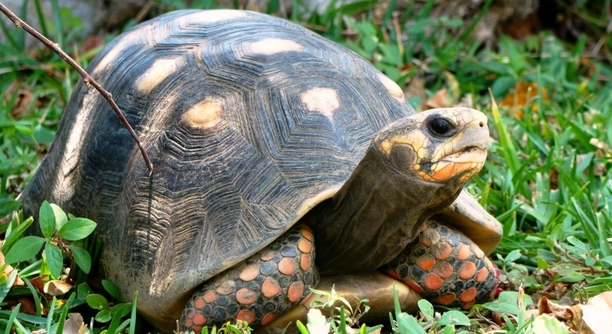
A red-footed tortoise is an intriguing and delightful pet. However, it is essential to keep an eye on their health to ensure they thrive. Dehydration can be a common issue, and recognizing the signs early can make a significant difference.
Dehydration in red-footed tortoises can be identified through various symptoms, including dry skin, sunken eyes, lethargy, and lack of appetite. Proper hydration is essential for their health, so monitoring these signs is key to preventing further health issues.
Knowing how to spot dehydration in your tortoise will allow you to take quick action and keep them healthy. Understanding these signs is crucial for their well-being.
Common Signs of Dehydration in Red-Footed Tortoises
Dehydration can affect your red-footed tortoise in several noticeable ways. One of the most common signs is dry, flaky skin. This often occurs when their environment lacks sufficient humidity. You may also notice their eyes looking sunken or dull. A dehydrated tortoise might be less active than usual and may refuse food. These physical cues can indicate that hydration is a problem and should be addressed quickly. If untreated, dehydration can lead to more severe health issues like kidney problems or even organ failure. It’s essential to act fast if you notice these symptoms. You can ensure your tortoise remains hydrated by offering water regularly, misting their habitat, and adjusting their environment.
Dry skin, sunken eyes, and lethargy are some of the most common signs that your red-footed tortoise is dehydrated. Timely intervention with water and environmental changes can prevent serious complications and improve their overall health.
Maintaining a consistent and suitable environment for your tortoise is key to keeping them hydrated. Regular water availability and proper humidity levels will help prevent dehydration. Consider using a humidity gauge and checking the temperature regularly.
How to Prevent Dehydration in Red-Footed Tortoises
Providing your red-footed tortoise with proper hydration starts with their habitat. A moist environment is essential for their health. Make sure their enclosure has enough humidity, which helps them absorb moisture. You can achieve this by misting their habitat or using a humidity chamber. Also, providing a shallow water dish for them to soak in helps.
Maintaining a steady temperature is equally important for hydration. If the enclosure is too dry or too hot, your tortoise will have difficulty absorbing moisture. The temperature should be warm but not excessive, with a cool area available for them to retreat to. This balance keeps them comfortable and hydrated.
A diet rich in moisture can also support hydration. Feeding your tortoise leafy greens and other water-rich vegetables, such as cucumbers and watermelon, can provide extra fluids. Avoid feeding them too many dry foods, as this can exacerbate dehydration. Regularly changing the water and offering fresh food options can help improve hydration levels.
What to Do When Your Red-Footed Tortoise Is Dehydrated
If you notice signs of dehydration, it’s essential to act quickly. Start by providing fresh water immediately and ensuring your tortoise has access to a water dish. It’s also beneficial to offer a shallow soak, allowing them to absorb moisture through their skin. A soak of 15-20 minutes in warm water can help rehydrate your tortoise, but make sure the water isn’t too hot.
You may need to adjust their habitat if the environment is too dry. Increase the humidity in their enclosure by misting more frequently or adding a humidity box. Keeping the enclosure humid can prevent future dehydration. Additionally, placing their water dish in a warm spot encourages them to drink more frequently.
After addressing the environmental factors, keep an eye on their behavior. If your tortoise remains lethargic or doesn’t show signs of improvement, consult a vet. Persistent dehydration can lead to serious health issues, including kidney damage. Taking quick action is key to their recovery.
Reducing Stress to Prevent Dehydration
Stress can contribute to dehydration in your red-footed tortoise. Stressful situations, such as loud noises, sudden temperature changes, or overhandling, can disrupt their natural behavior and make them less likely to drink water. A calm, consistent environment helps reduce these stressors.
Create a peaceful habitat by avoiding disturbances and providing hiding spots. This will encourage your tortoise to feel safe and relaxed, promoting healthy hydration. A stable environment with minimal handling helps prevent unnecessary stress, making it easier for your tortoise to stay hydrated and comfortable.
Choosing the Right Substrate
The right substrate can help maintain humidity levels in your tortoise’s enclosure. Coconut coir, sphagnum moss, or orchid bark are great choices because they retain moisture and provide a natural, comfortable surface for your tortoise to walk on. Choose a substrate that holds humidity while allowing for proper ventilation.
In addition to moisture retention, the right substrate helps maintain the overall health of your tortoise. It keeps their living area clean, prevents odors, and offers a safe surface for them to roam. By selecting the right substrate, you’re giving your red-footed tortoise a better chance at staying hydrated and healthy.
Monitoring Hydration Levels
Regularly monitor your tortoise’s hydration levels by checking for common signs of dehydration. If your tortoise is sluggish or avoids food, it may be a sign that hydration is insufficient. Keeping track of your tortoise’s behavior and appearance can help catch dehydration early.
FAQ
How can I tell if my red-footed tortoise is dehydrated?
Dehydration in red-footed tortoises can be recognized by several signs. Look for dry, flaky skin, sunken eyes, and lethargy. If your tortoise is avoiding food, not moving around as much, or seems unusually inactive, these can also indicate dehydration. Pay attention to these symptoms, as they can worsen if not addressed quickly.
What should I do if my tortoise is dehydrated?
Start by offering fresh water. You can also soak your tortoise in a shallow dish of warm water for 15-20 minutes to help them absorb moisture. Make sure their enclosure has proper humidity levels and is not too hot or dry. If your tortoise shows no improvement or remains lethargic, it’s best to consult a vet.
How often should I hydrate my tortoise?
Your red-footed tortoise should always have access to fresh water. You can offer a shallow water dish in their enclosure and mist the habitat daily to maintain humidity. If they are not drinking enough on their own, you can provide a soak a few times a week, especially if they show signs of dehydration.
Can I use bottled water for my tortoise?
Bottled water is fine for your tortoise as long as it doesn’t contain added chemicals like fluoride or chlorine. If you’re unsure about your water quality, it’s better to use filtered or distilled water to avoid any potential harm to your tortoise’s health. Always ensure that the water is fresh and clean.
What type of food can help keep my tortoise hydrated?
Leafy greens like collard greens, dandelion greens, and kale provide moisture. Vegetables such as cucumbers, zucchini, and watermelon can also help hydrate your tortoise. Make sure to avoid feeding them too many dry foods, like hay or pellets, as these can contribute to dehydration.
What is the ideal humidity level for a red-footed tortoise?
Red-footed tortoises thrive in humidity levels between 60% and 80%. You can maintain this by misting their enclosure daily, using a humidity gauge, and providing a shallow water dish. In dry conditions, a humidity box or a humidifier can be useful.
How can I ensure my tortoise’s environment stays humid?
To keep the humidity at the right level, consider adding a humidity box to your tortoise’s enclosure. You can also mist the enclosure daily, but be sure not to make it too wet, as this can cause mold. A simple humidity gauge will help you monitor the levels.
Is it okay to handle my tortoise if it’s dehydrated?
When your tortoise is dehydrated, it’s best to minimize handling. Stress from handling can make dehydration worse. Focus on providing hydration and creating a comfortable, low-stress environment before handling your tortoise. Handling should be gentle and limited to essential care.
Can temperature affect my tortoise’s hydration?
Yes, temperature plays a significant role in hydration. If the enclosure is too hot or too cold, it can prevent your tortoise from drinking and absorbing moisture properly. Maintain a warm, comfortable environment with a temperature gradient, giving your tortoise a choice between a warm and cooler area.
How long can a red-footed tortoise survive without water?
Red-footed tortoises can survive for some time without water, but dehydration will begin to affect them quickly. In the wild, they get moisture from their food, but in captivity, it’s crucial to provide them with consistent access to fresh water. Without proper hydration, their health will deteriorate rapidly.
Should I provide a soak every day?
A soak is not necessary every day unless your tortoise shows signs of dehydration. However, offering a shallow soak 2-3 times a week can be beneficial, especially in dry conditions or if your tortoise isn’t drinking enough. Always monitor them during soaks to ensure safety.
What are the risks of dehydration in red-footed tortoises?
Dehydration can lead to severe health problems, including kidney failure, digestive issues, and even death if left untreated. It can also cause your tortoise to become weak, less active, and have trouble eating. Consistently monitoring hydration levels is crucial to avoid these risks.
Can dehydration cause my tortoise to stop eating?
Yes, dehydration can cause a loss of appetite. When your tortoise isn’t properly hydrated, their metabolism slows down, leading to a decrease in food intake. If your tortoise refuses food, dehydration may be a factor, and it’s essential to address hydration before the issue worsens.
What is the best way to ensure my tortoise stays hydrated in the winter?
In winter, the air tends to be drier, so it’s important to maintain humidity. Increase misting and provide a humidity box if needed. Keep the enclosure temperature steady and ensure your tortoise has access to water. Soaking can also be helpful during the colder months to prevent dehydration.
How can I encourage my tortoise to drink more water?
If your tortoise isn’t drinking water on its own, try placing the water dish in a location where they feel safe to drink. You can also offer food that’s high in moisture content. Soaking your tortoise in warm water can encourage them to drink more, as they may absorb moisture during the process.
Final Thoughts
Keeping a red-footed tortoise hydrated is essential for their overall health and well-being. These tortoises are naturally found in humid environments, and it’s important to recreate similar conditions in captivity. Ensuring they have access to fresh water, proper humidity levels, and food with high moisture content will help prevent dehydration. If you notice signs such as lethargy, dry skin, or sunken eyes, it’s crucial to take immediate action to rehydrate them. Consistently monitoring your tortoise’s behavior and hydration levels will allow you to address any issues early, preventing serious health problems in the future.
In addition to hydration, providing a comfortable and stress-free environment plays a significant role in your tortoise’s health. Stress can contribute to dehydration, so minimizing disturbances and offering hiding spots will help create a peaceful habitat. Maintaining the right temperature and humidity levels is key to encouraging your tortoise to drink water and remain hydrated. Keeping your tortoise’s enclosure clean and offering them regular access to fresh, clean water will ensure they stay hydrated and healthy in the long run.
By focusing on hydration and stress management, you can ensure your red-footed tortoise lives a long, healthy life. The simple steps of offering fresh water, monitoring their behavior, and creating a stress-free environment will go a long way in keeping them well-hydrated. If you have any concerns about your tortoise’s health, seeking advice from a veterinarian is always a good idea. By staying vigilant and proactive, you will help your tortoise thrive in their home.

Hello,
If you enjoy the content that we create, please consider saying a "Thank You!" by leaving a tip.
Every little bit helps us continue crafting quality advice that supports the health, happiness, and well-being of pets around the world, for pets of all shapes, sizes, and species.
We really appreciate the kindness and support that you show us!