
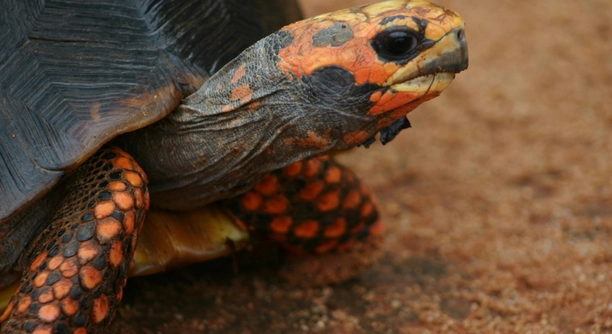
A red-footed tortoise’s enclosure can be a crucial part of its health and happiness. Keeping it engaging is key to providing a healthy environment. Let’s look at ways to make the enclosure more stimulating for your tortoise.
To make a red-footed tortoise’s enclosure more stimulating, you can provide hiding spots, varied textures, climbing opportunities, and plants. These additions mimic the natural habitat and encourage physical and mental activity, promoting a healthy, enriched lifestyle for your tortoise.
From adding interesting textures to creating small hiding spaces, making simple adjustments can make a big difference. These changes can keep your tortoise active and happy while maintaining a safe and comfortable space.
Why a Stimulating Environment is Essential for Your Tortoise
A red-footed tortoise thrives in an enclosure that stimulates both its mind and body. In the wild, they enjoy diverse landscapes with plenty of opportunities to forage, climb, and hide. Without these stimuli, a tortoise can become inactive or stressed. Creating a naturalistic setup with hiding spots, varied textures, and different surfaces will keep your tortoise engaged. It’s important to replicate the conditions that allow for exploration and curiosity. If the environment is too plain or lacks variety, your tortoise may lose interest in its surroundings. When your tortoise is physically and mentally active, it results in better health and behavior.
Adding a mix of soft soil, rocks, and plants offers the right variety of textures. These can encourage natural behaviors like digging and climbing. Providing objects that change the layout of the enclosure regularly will further stimulate your tortoise’s curiosity and problem-solving skills.
A healthy, enriched environment also means giving your tortoise choices. Letting them explore different spaces or hide when they feel the need to is essential. The ability to control their environment leads to a feeling of safety and reduces stress. Moreover, a variety of plants can introduce both mental stimulation and a chance to graze.
How to Incorporate Hiding Spaces
Hiding spaces are essential for your tortoise’s well-being. These can be as simple as a log or a small wooden box.
To make the space more engaging, consider placing the hideouts in different spots within the enclosure. Your tortoise will appreciate having multiple places to retreat to when feeling shy or stressed. Experiment with tunnels or half-buried objects to make it more challenging. It encourages exploration and provides security. A variety of hideouts allows your tortoise to feel safe and reduces anxiety. This simple addition can be incredibly beneficial for a happier, more comfortable pet.
Adding Climbing Opportunities
Climbing surfaces are a great way to encourage physical activity. Providing things like rocks or logs in your tortoise’s enclosure can help keep it active.
Tortoises, like red-footed ones, naturally enjoy climbing in their environment. Adding climbing opportunities helps mimic their natural behaviors. It doesn’t have to be complicated; even a few well-placed rocks or branches will do the trick. Your tortoise will use them to move around, increasing its exercise and overall well-being. Always make sure the climbing structures are stable and safe, so your tortoise doesn’t hurt itself.
It’s also important to consider the height and texture of the climbing materials. Red-footed tortoises are not great climbers like some other species, so be mindful of the difficulty level. Keep the structures at a reasonable height, ensuring your tortoise can safely climb or explore them without struggling. This will provide enrichment while avoiding potential accidents.
Using Varied Substrates
Offering a mix of substrates can improve the natural feel of the enclosure. Soil, coconut husk, and sand all work well together.
Different textures can mimic the natural ground your tortoise would encounter in the wild. It encourages digging and exploration. A soft soil substrate provides a comfortable place for your tortoise to burrow or rest, while adding sand or coconut husk creates a mix of textures for variety. These changes can also help maintain humidity levels, important for red-footed tortoises. Experimenting with different combinations gives your tortoise a more interesting and enriched environment. It also encourages more natural behavior, as they enjoy digging and burrowing in varied substrates.
Make sure the substrates are easy to clean and replace. Using a combination of soft, absorbent materials helps with odor control and makes it easier to spot-clean the enclosure. Avoid using sharp or chemically treated substrates, as they can harm your tortoise.
Providing Plants for Foraging
Adding live plants gives your tortoise something to forage. It’s a simple way to enhance its environment.
Tortoises like red-footed ones naturally graze on various plants. By adding safe, edible plants to their enclosure, you’re giving them a way to practice foraging. Plants also provide enrichment by encouraging exploration and stimulating natural feeding behaviors.
Choose plants that are non-toxic and safe for your tortoise. Options like dandelions, clover, and hibiscus flowers are great choices. These plants will help keep your tortoise engaged and provide necessary nutrients. Be sure to replace any wilted or decayed plants regularly to maintain a healthy environment.
Adding Water Features
A small water dish or shallow pond can enrich your tortoise’s enclosure. It offers hydration and a space for soaking.
Water is vital for a red-footed tortoise. A shallow, stable water feature allows them to drink and bathe, which is important for hydration and skin health. Choose a shallow dish or pond to make sure it’s safe for your tortoise to enter and exit easily.
Offering Variety in Enclosure Layout
Changing the layout of the enclosure occasionally helps keep things fresh for your tortoise. This variation encourages exploration.
Switching up the arrangement of the substrate, plants, and climbing objects provides new challenges and keeps the environment stimulating. By regularly changing the layout, you allow your tortoise to rediscover its space and keep its curiosity alive. It’s a simple way to avoid monotony.
FAQ
How often should I change the plants in my tortoise’s enclosure?
It’s a good idea to replace live plants every few weeks to keep them fresh and nutritious. When they start wilting or decaying, it’s time to swap them out. This helps prevent mold and bacteria buildup. Always ensure the plants you add are safe for your tortoise to eat. Non-toxic plants like dandelions and clover are ideal. Also, keep an eye on the plants’ condition regularly so they don’t become too overgrown or difficult for your tortoise to access. Providing a mix of fresh leaves will encourage foraging and natural grazing.
Can I use artificial plants in my tortoise’s enclosure?
Artificial plants can be used, but they don’t offer the same benefits as live plants. They won’t provide your tortoise with anything to eat or forage, which is a big part of their mental stimulation. However, artificial plants can add extra hiding spots or create visual variety in the enclosure. If you choose to use them, make sure they are free of sharp edges or toxic materials. They should only be a supplement, not a replacement for live plants. Always monitor for any damage or wear that could create a choking hazard.
How do I make sure my tortoise’s enclosure is safe for climbing?
When adding climbing opportunities, ensure that all surfaces are stable and secure. Use large rocks or logs that won’t easily tip over. The height should be low enough to prevent injury if your tortoise falls. Make sure there are no sharp edges or holes where your tortoise could get stuck. If you’re using wood or branches, they should be untreated to avoid harmful chemicals. It’s also important to consider the surface material; rough textures like bark are better than smooth surfaces that might be slippery, especially when wet.
What kind of substrates are best for a red-footed tortoise?
Red-footed tortoises need a substrate that is both comfortable and easy to clean. A mix of organic soil, coconut husk, and sand is an excellent choice. This combination offers a variety of textures that encourage natural behaviors like digging and burrowing. Make sure the substrate is deep enough for your tortoise to dig in. Avoid using sharp or non-biodegradable materials like gravel, as these can be harmful if ingested. Be sure to spot clean regularly and replace soiled substrate to maintain a healthy environment.
Can I use a heat lamp in my tortoise’s enclosure?
Yes, a heat lamp is essential for maintaining the right temperature in your tortoise’s enclosure. Red-footed tortoises require a basking spot with temperatures between 90-95°F (32-35°C). The rest of the enclosure should be cooler, around 75-80°F (24-27°C). Make sure the heat lamp is positioned above a basking rock or log to provide a concentrated warm spot. Avoid placing the lamp too close to the substrate to prevent overheating. Always monitor the temperature regularly with a thermometer to ensure a stable environment.
How can I prevent my tortoise from becoming too stressed?
Stress in tortoises can come from a variety of factors, including improper temperature, lack of hiding spots, or a monotonous environment. Ensure the enclosure is large enough for your tortoise to move around and explore. Providing hiding spots and visual barriers can help your tortoise feel secure. Make sure your tortoise is not being handled too frequently, as they can become stressed if overexposed. Also, avoid loud noises or sudden changes in the environment that may startle them. Regularly check for signs of stress, such as loss of appetite or excessive hiding, and adjust the enclosure accordingly.
Should I use a UVB light for my tortoise?
Yes, UVB lighting is necessary for your red-footed tortoise’s overall health. UVB light helps them synthesize vitamin D3, which is vital for calcium absorption and bone health. Without adequate UVB exposure, tortoises can develop metabolic bone disease. The UVB light should be placed about 12-18 inches above your tortoise’s basking area. Replace the bulb every 6-12 months, as its effectiveness diminishes over time. Even if your tortoise gets some outdoor time, it’s still important to provide consistent UVB lighting in the enclosure to maintain proper health.
How do I keep my tortoise’s enclosure humid?
Red-footed tortoises require moderate humidity levels, ideally between 60-80%. To maintain this, you can mist the enclosure daily with water. A shallow water dish for soaking will also help keep the humidity levels up. Ensure proper ventilation to prevent excess moisture buildup, which can lead to mold. If you live in a dry climate, you can add a humidifier to maintain the right levels. Using a hygrometer will help you monitor humidity and adjust accordingly to ensure a comfortable environment for your tortoise.
Can I keep more than one tortoise in the same enclosure?
It’s generally not recommended to house more than one red-footed tortoise in the same enclosure unless it’s very large. Tortoises are solitary animals, and overcrowding can lead to stress and aggression. If you do house multiple tortoises together, ensure there is enough space for each to have its own territory. Providing plenty of hiding spots and food can help reduce competition. Watch closely for signs of aggression, such as biting or chasing, and separate the tortoises if necessary to avoid injury or stress.
How often should I clean my tortoise’s enclosure?
Cleaning frequency depends on the size of the enclosure and the number of tortoises. A general rule is to spot clean daily by removing uneaten food, waste, and soiled substrate. A more thorough cleaning should be done every 1-2 weeks. During a deep cleaning, remove all the substrate and wash the entire enclosure with a reptile-safe disinfectant. Be sure to rinse everything thoroughly before replacing the substrate. Regular cleaning helps maintain a healthy environment and prevent the buildup of harmful bacteria or parasites.
Final Thoughts
Creating a stimulating environment for your red-footed tortoise is an important part of its care. These tortoises are naturally curious creatures and enjoy exploring their surroundings. By adding elements like climbing structures, plants for foraging, and hiding spots, you provide not only physical enrichment but also mental stimulation. This will help your tortoise feel more at home in its enclosure and allow it to engage in more natural behaviors, such as foraging, climbing, and digging. A more enriched environment promotes overall well-being and reduces stress, which is key to keeping your tortoise healthy and happy.
The right setup also includes considering the materials and design of the enclosure. Choose substrates that allow your tortoise to dig and move around freely. Adding rocks or logs for climbing will encourage physical activity. When incorporating plants, remember that they should be safe for your tortoise to eat. Whether you use live plants, artificial plants, or a mix of both, they should enhance the enclosure’s appearance and contribute to your tortoise’s physical and mental health. Ensure you are regularly monitoring the setup, as plants and substrates can degrade over time, so they may need replacing to keep the environment fresh and safe.
Lastly, it’s important to keep an eye on the overall temperature, humidity, and lighting in the enclosure. Proper UVB lighting is essential for your tortoise’s health, as it aids in vitamin D3 synthesis and calcium absorption. Providing a temperature gradient from warm to cool areas in the enclosure will allow your tortoise to regulate its body temperature. By creating an environment that closely mimics its natural habitat, you not only ensure your tortoise’s physical health but also its emotional well-being. With some care and attention, you can create a safe and stimulating home for your red-footed tortoise to thrive in.

Hello,
If you enjoy the content that we create, please consider saying a "Thank You!" by leaving a tip.
Every little bit helps us continue crafting quality advice that supports the health, happiness, and well-being of pets around the world, for pets of all shapes, sizes, and species.
We really appreciate the kindness and support that you show us!