
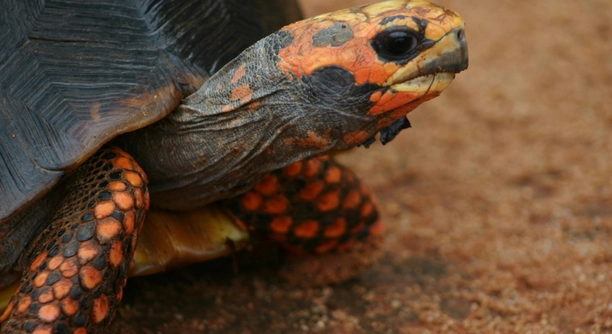
Red-footed tortoises are sensitive creatures, and stress can impact their health. Understanding how to help them recover from stress is important for their well-being. This article will provide practical tips on easing their stress.
The recovery process for a stressed red-footed tortoise involves reducing environmental stressors, offering a comfortable habitat, and adjusting their diet. Ensuring a consistent temperature, proper hydration, and minimizing handling can significantly aid in their recovery and help prevent future stress.
Taking the right steps to help your tortoise recover from stress will ensure they lead a healthier, more relaxed life.
Create a Comfortable Habitat for Your Tortoise
The right environment plays a key role in helping your red-footed tortoise recover from stress. First, ensure the enclosure is spacious and has areas for both hiding and basking. The temperature must be kept consistent, ideally between 75-85°F (24-29°C), with a basking area reaching 95°F (35°C). Humidity is also important—around 60-80%—so a misting system or water dish can help maintain the right level.
Providing proper bedding like coconut coir or soil will allow your tortoise to feel more secure. A safe, quiet space will minimize stress and encourage your tortoise to relax and recover. By maintaining an ideal habitat, you ensure your tortoise has the best chance of returning to a healthy state.
Creating a peaceful and comfortable environment can help your tortoise feel at ease and accelerate recovery.
Consistency is key when it comes to your tortoise’s habitat. Make sure the conditions are stable, especially in terms of temperature and humidity, to avoid causing additional stress.
Minimize Handling and Interaction
Handling a stressed tortoise may seem harmless, but it can add to their anxiety. During recovery, try to limit handling as much as possible. If interaction is necessary, keep it brief and gentle. Over time, you’ll notice your tortoise becoming more comfortable with its surroundings, which can help reduce stress.
When tortoises feel safe in their environment, they’re more likely to engage with it naturally. Handling them too often or too roughly can lead to further anxiety. Respecting their space is crucial to helping them recover from stress. A peaceful, undisturbed time is necessary for healing.
Reducing handling allows the tortoise to adjust back to its routine, helping it build trust in its environment. With time and patience, your tortoise will start showing signs of improvement and confidence.
Provide Proper Nutrition
A healthy, balanced diet is crucial for a stressed tortoise’s recovery. Offer fresh, high-quality greens, vegetables, and occasional fruits. Avoid feeding them only one type of food, as variety is important for their health. Adding calcium supplements can help if needed, ensuring they get the nutrients required for recovery.
Proper nutrition is vital because stress can cause a tortoise to lose its appetite. During recovery, offer foods that are not only nutritious but also appealing. Leafy greens like dandelion, collard greens, and kale are excellent choices. Supplementing with a small amount of fruit will provide essential vitamins without overwhelming the diet.
The goal is to restore their energy and health by giving them the best nutrition possible. Avoid offering too many high-protein foods, as this can upset their digestion and health. Stick to a balanced variety to support their recovery process.
Monitor Temperature and Humidity
Temperature and humidity are key factors in a tortoise’s recovery. Ensure that the enclosure is kept at a consistent, warm temperature with a basking area that reaches 90-95°F. Maintaining humidity between 60-80% will help the tortoise stay hydrated and comfortable.
A temperature gradient in the enclosure will allow your tortoise to regulate its body heat. Make sure the cooler end is around 75°F (24°C), while the basking spot can be significantly warmer, helping your tortoise feel safe and recover. Pay attention to the humidity levels by regularly checking with a hygrometer.
Overheating or too much moisture can cause stress. Proper balance will allow your tortoise to feel secure enough to relax and begin its recovery process. The ideal environment helps promote healthy metabolism and digestion, making it easier for your tortoise to regain strength.
Limit Stressful Situations
Avoid sudden changes in the tortoise’s environment. Loud noises, overcrowded spaces, or new animals can increase stress. Keep the area calm and quiet to help your tortoise adjust. This creates a peaceful space for healing and reduces unnecessary anxiety.
If your tortoise is sensitive to movement or loud sounds, it’s crucial to minimize distractions. Allow them to adapt to their surroundings at their own pace, without any disruptions. Maintaining a stress-free environment will significantly aid in their recovery.
Reducing external stressors ensures that your tortoise can focus on healing instead of reacting to its environment.
Maintain a Consistent Routine
A consistent daily routine helps your tortoise feel secure. Keep feeding, cleaning, and light schedules the same. This consistency will help reduce anxiety. It also gives your tortoise a predictable environment to thrive in, encouraging a faster recovery.
Regular feeding and light cycles contribute to a sense of stability. When your tortoise can rely on a set schedule, it reduces stress. Routine also encourages good health habits, making it easier for your tortoise to feel comfortable. Avoid sudden changes in these patterns to ensure they have a predictable, safe environment.
Avoid Overcrowding the Habitat
Overcrowding can lead to territorial stress, making your tortoise feel anxious and less secure. A spacious enclosure allows your tortoise to move freely and choose safe spots when needed. This is essential for their recovery. Make sure the space isn’t too cramped or shared with other animals.
FAQ
How long does it take for a red-footed tortoise to recover from stress?
The recovery time for a stressed red-footed tortoise can vary. Generally, it may take a few days to a couple of weeks, depending on the severity of the stress. Providing a calm, stable environment, proper nutrition, and minimizing handling will speed up the process. However, if the stress is due to health issues or improper conditions, it may take longer for your tortoise to fully recover.
Can stress harm a red-footed tortoise permanently?
Prolonged stress can negatively impact a red-footed tortoise’s health, potentially leading to weakened immune function and digestive problems. While a single stressful event may not cause lasting harm, continuous stress can weaken their ability to cope with other environmental changes and illnesses. It’s important to address stress early to prevent long-term health issues.
What should I do if my tortoise isn’t eating after being stressed?
If your tortoise isn’t eating after experiencing stress, it’s essential to ensure its environment is comfortable and stable. Offer a variety of fresh greens and avoid forcing them to eat. Make sure the temperature, humidity, and lighting conditions are ideal for digestion. If they still refuse to eat after several days, it may be a sign of illness, and a visit to the vet is necessary.
Can handling cause stress in my tortoise?
Yes, handling can contribute to stress, especially if your tortoise is already anxious. While it’s natural to want to interact with your pet, overhandling can make them feel threatened. During recovery, it’s best to minimize handling and allow the tortoise time to adjust to its surroundings. When you do handle your tortoise, make sure to do so gently and for short periods.
How do I know if my tortoise is stressed?
Common signs of stress in red-footed tortoises include loss of appetite, hiding for extended periods, lethargy, and abnormal behavior like excessive pacing or biting. If you notice any of these behaviors, it’s essential to evaluate the environment and address potential stress factors such as temperature, humidity, or overcrowding.
Can a red-footed tortoise recover from stress without veterinary care?
In many cases, red-footed tortoises can recover from stress with proper environmental adjustments and care. However, if stress is accompanied by illness, significant weight loss, or prolonged lack of eating, a veterinarian should be consulted. They can rule out underlying health conditions and provide additional treatment if necessary.
Is it normal for a red-footed tortoise to stop eating after being moved to a new home?
Yes, it is normal for a tortoise to experience a period of adjustment when moved to a new environment. Stress from unfamiliar surroundings can cause a temporary loss of appetite. Ensure the habitat is set up properly with the right temperature, humidity, and hiding spots, and allow your tortoise time to acclimate.
What can I do to make my tortoise feel more secure?
To make your tortoise feel secure, provide a habitat with hiding spots, such as plants or shelters, where they can retreat when feeling stressed. Keep the environment calm by limiting loud noises and sudden movements. Consistent routines, such as feeding and light cycles, also help reduce anxiety and promote a sense of safety.
Can I give my stressed tortoise any supplements to help with recovery?
Supplements like calcium can be beneficial, especially if your tortoise’s diet lacks essential nutrients. However, supplements should not replace a balanced diet. For stressed tortoises, offering a variety of fresh, nutrient-rich foods is the best way to support their recovery. If you’re unsure, consult a vet for guidance on specific supplements.
How often should I clean my tortoise’s enclosure while it’s stressed?
While it’s important to maintain cleanliness, over-cleaning a stressed tortoise’s enclosure can cause additional disruption. Aim to clean the enclosure every week or when necessary, making sure to remove waste promptly to prevent any health risks. Keep the environment stable and avoid excessive disturbances while your tortoise is recovering.
Final Thoughts
Stress in red-footed tortoises is something that should be taken seriously, as it can impact their overall well-being. Whether it’s caused by environmental changes, improper handling, or other stressors, understanding the symptoms and taking steps to address the issue is crucial. By paying close attention to their behavior, you can recognize signs of stress early and provide them with the necessary care to recover. This can involve creating a calm, quiet space, ensuring their habitat is set up correctly, and adjusting their routine to help reduce anxiety.
Recovery from stress can take time, but with the right environment and care, most red-footed tortoises can bounce back. It’s important to remember that every tortoise is different. Some may take a few days, while others might need more time to feel secure again. If you notice your tortoise is not eating or acting unusually after a period of stress, it’s essential to check the conditions and make sure everything is in place for their recovery. If problems persist, don’t hesitate to seek veterinary advice to rule out any health concerns that might be contributing to the stress.
In the end, preventing stress is just as important as helping your tortoise recover from it. Regularly maintaining their habitat and keeping their environment as stable and quiet as possible will go a long way in keeping your tortoise calm and healthy. A consistent routine and providing enrichment will also ensure that your tortoise feels safe and comfortable in their space. Taking these simple steps can help your red-footed tortoise live a happier, healthier life, free from the negative effects of stress.

Hello,
If you enjoy the content that we create, please consider saying a "Thank You!" by leaving a tip.
Every little bit helps us continue crafting quality advice that supports the health, happiness, and well-being of pets around the world, for pets of all shapes, sizes, and species.
We really appreciate the kindness and support that you show us!