
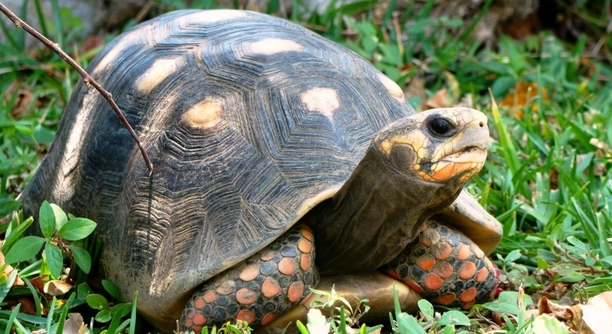
Red-footed tortoises are sensitive to temperature changes, and it’s important to ensure they stay warm enough to stay healthy. Their environment plays a huge role in their well-being, and temperature imbalances can affect them in various ways.
A red-footed tortoise that is too cold may exhibit behaviors like reduced activity, lethargy, and poor eating habits. It’s crucial to monitor their environment carefully to ensure they maintain a comfortable temperature. If too cold, they may become vulnerable to illness.
Ensuring your tortoise stays warm will help prevent discomfort and health issues. It’s important to understand how temperature can affect your tortoise’s behavior and well-being. Keep reading to learn more about the signs and solutions for a cold tortoise.
Reduced Activity and Lethargy
When a red-footed tortoise gets too cold, one of the first signs you’ll notice is a drop in activity levels. Tortoises are naturally slow-moving animals, but they should still be moving around and exploring their environment regularly. If your tortoise becomes unusually lethargic and stays in one spot for extended periods, it could be a sign that the temperature is too low for them. Cold temperatures cause their metabolism to slow down, leading to a lack of energy.
A cold tortoise might spend more time hidden, seeking warmth. They may seem uninterested in moving, basking, or eating, which are all crucial behaviors for their well-being. As they try to conserve energy, their overall activity may decrease significantly.
If your tortoise seems unusually still and not responding to normal stimuli, check the temperature in their habitat. Cold conditions can impact their behavior and health, making it essential to maintain a comfortable temperature range for them to thrive.
Poor Appetite and Digestive Issues
Cold temperatures can also affect your tortoise’s appetite. When they are too cold, their digestive system slows down, causing them to lose interest in food. A tortoise that typically enjoys a variety of greens and fruits may refuse to eat if they feel chilled. As a result, they could become weak and malnourished, which only worsens their condition.
This is a clear indication that the environment isn’t warm enough to encourage healthy digestion. If you notice a decrease in appetite, it’s important to monitor the temperature carefully. Make sure they have a warm, consistent spot where they can digest food properly.
If your red-footed tortoise continues to show a lack of interest in food, it’s best to adjust the temperature of their habitat and offer them a variety of their favorite foods to entice them. Regularly monitor the temperature, keeping it consistent throughout the day, to avoid digestive disruptions.
Hiding More Than Usual
If your red-footed tortoise starts hiding more than usual, it could be because it’s too cold. Cold temperatures make tortoises seek out warm spots, often in hidden corners or shelters. It’s not uncommon for them to retreat to dark, secluded areas when they are feeling uncomfortable or vulnerable due to the cold.
When a tortoise is cold, they instinctively try to protect themselves from the temperature drop. They might burrow, hide under leaves, or seek shelter away from the open. If this becomes a regular behavior, it’s a clear sign that their environment needs adjusting.
Check the temperature in their enclosure and make sure there are warm areas for them to retreat to. A cold tortoise will feel safer in a spot that offers both warmth and security. Ensure their hiding spots are also comfortable and not too chilly.
Slow Movements and Lack of Coordination
A cold tortoise may move more slowly than usual, with stiff or uncoordinated movements. Their body doesn’t work as efficiently in low temperatures, and they can struggle to maintain their usual smooth movements. Cold can cause their muscles to stiffen, resulting in slower reactions.
Tortoises rely on their body temperature to regulate their movement. If the temperature drops too low, they may become sluggish and appear uncoordinated. These slow movements are an obvious indication that your tortoise is too cold. If they seem wobbly or struggle to walk, it’s important to raise the temperature of their environment.
Keep an eye on their activity levels and assess whether the behavior continues. A gradual return to normal movement after warming them up is a good sign that they’re recovering from the cold. A warm basking area is key to keeping them active and healthy.
Decreased Basking Time
A red-footed tortoise that is too cold will likely reduce the amount of time spent basking. Basking is an important activity for them to regulate their body temperature. If they avoid their basking spot, it’s a sign that the temperature may not be ideal.
When they’re too cold, tortoises might not seek out warmth, which could be detrimental to their health. They’ll skip basking to conserve energy and will not be able to digest food properly or maintain their health. Monitoring the basking light and surrounding temperatures is essential.
Ensure your tortoise has access to a proper basking area with a heat lamp to encourage them to regulate their body temperature. This area should be warm enough to promote natural behaviors, like basking, that are crucial for their well-being.
Change in Breathing Patterns
Cold temperatures can also affect your red-footed tortoise’s breathing. When they get too cold, their respiratory system may become sluggish, leading to abnormal breathing. You may notice shallow or labored breaths, which are signs of distress caused by the cold.
A tortoise that is too cold may breathe more slowly and seem like they are struggling to get enough air. This can lead to long-term health problems if not addressed. Keeping your tortoise’s environment at a stable temperature is crucial to prevent respiratory distress.
Keep a close eye on their behavior, especially when they seem to have trouble breathing. If their respiratory system is compromised by low temperatures, they will need warmth to recover and breathe normally again.
Change in Shell Color
A red-footed tortoise’s shell color can also change when they are too cold. When they feel chilled, their shell may become duller, or the usual vibrant hues may look faded. This happens because their blood flow slows down, and the overall circulation is reduced in colder environments.
In some cases, the tortoise’s shell may appear darker as the body tries to conserve heat. This visual change is a sign that their body is working harder to deal with the cold. It’s important to check the temperature of the habitat immediately to prevent further stress.
A warm, properly heated environment will help restore the tortoise’s natural shell color. Make sure they have access to a spot where they can soak up warmth, which will help improve their circulation and overall health.
FAQ
What temperature should my red-footed tortoise’s habitat be?
Red-footed tortoises thrive in temperatures between 75-85°F (24-29°C) during the day, with a nighttime drop to 70°F (21°C). A basking area should be slightly warmer, around 90°F (32°C). Ensuring a consistent temperature range helps maintain their activity and digestion. If the temperature falls below 70°F (21°C), they may become lethargic and exhibit signs of cold stress.
How can I tell if my red-footed tortoise is too cold?
The most obvious signs of a cold tortoise include lethargy, reduced appetite, and hiding more often. They may also move more slowly or seem uncoordinated. If these signs appear, it’s important to check the temperature of their environment immediately. Providing a warm basking area and making sure the enclosure stays within the recommended temperature range can help.
Can red-footed tortoises survive in colder temperatures?
No, red-footed tortoises cannot survive in temperatures that are too cold. If exposed to temperatures below 60°F (15°C) for extended periods, they can experience severe health issues such as respiratory infections or hypothermia. It’s essential to keep them in a warm environment that mimics their natural tropical habitat.
How do I warm up my red-footed tortoise if they are too cold?
If your tortoise is too cold, gradually warm them up by placing them in a warmer area. Make sure the temperature in the enclosure is stable and not too abrupt, as sudden temperature changes can stress them further. Use a heat lamp or ceramic heat emitter in the basking area to provide consistent warmth. Monitor the temperature to ensure they stay within the safe range.
Is it okay to use a heat pad for my red-footed tortoise?
Heat pads can be used under the tank to provide warmth, but they should not be the primary source of heat. Tortoises need access to a basking light to regulate their temperature effectively. Heat pads can provide supplemental warmth, but it’s important not to rely on them entirely. Make sure there are both warm and cooler areas within the enclosure.
What happens if my red-footed tortoise stays too cold for too long?
Prolonged exposure to cold can lead to various health problems, including respiratory infections, loss of appetite, and a weakened immune system. In extreme cases, it can cause hypothermia, which can be fatal. If your tortoise remains too cold for an extended period, they will not be able to digest food properly, and their metabolism will slow down, leading to further health complications.
Can I use a space heater to warm my red-footed tortoise’s enclosure?
Using a space heater can be effective if it’s used carefully. The heater should be placed outside the enclosure to avoid direct contact with the tortoise. A space heater can help maintain the overall ambient temperature, but it’s important to also use heat lamps or ceramic heat emitters to ensure the basking area stays warm.
How do I prevent my red-footed tortoise’s habitat from getting too cold?
To maintain a warm environment for your red-footed tortoise, ensure the enclosure is well-insulated. Use a reliable thermostat to control temperature fluctuations and check the ambient temperature regularly. If you live in a colder climate, consider using a space heater or heat lamps, and make sure to cover any gaps or cracks that could allow cold air in.
Is it safe to take my red-footed tortoise outside in cold weather?
It is not safe to take your red-footed tortoise outside if the temperatures are too low. Even a brief exposure to cold can cause stress and health issues. Red-footed tortoises are native to warm, tropical environments, and they can’t handle significant temperature changes. Always make sure the outdoor temperature is within their ideal range before considering outdoor time.
Can I warm my red-footed tortoise by holding it?
Holding your red-footed tortoise will not provide enough heat to warm them up effectively. While they may feel warmer in your hands, the temperature of your body will not be sufficient to regulate their body temperature for long. The best way to warm them is by providing a properly heated environment with a basking area.
How often should I check the temperature of my red-footed tortoise’s enclosure?
It’s important to check the temperature at least once a day, especially during seasonal changes. Using a thermometer to monitor the basking area and the cooler zones of the enclosure ensures your tortoise stays within their ideal temperature range. Regular temperature checks help prevent sudden drops or fluctuations that could stress your tortoise.
Can I use a regular light bulb for my red-footed tortoise?
Regular light bulbs are not suitable for providing the necessary heat or UVB light for your red-footed tortoise. You need a specialized heat lamp or ceramic heat emitter for warmth and a UVB lamp to help with calcium metabolism. Both types of light are essential to keeping your tortoise healthy.
How do I know if the basking area is warm enough?
You can measure the temperature of the basking area with a thermometer. It should be around 90°F (32°C) to ensure your red-footed tortoise can properly digest food and regulate its body temperature. The basking area should not exceed 95°F (35°C), as temperatures that are too high can cause stress.
What should I do if my red-footed tortoise shows signs of respiratory distress due to cold?
If your tortoise is showing signs of respiratory distress, such as wheezing or labored breathing, it’s important to get them to a warmer area immediately. Increase the temperature gradually and provide a warm, dry spot for them to recover. If symptoms persist, consult a vet experienced with reptiles to ensure there are no underlying issues.
Final Thoughts
Ensuring that your red-footed tortoise stays in the right temperature range is essential for their health and well-being. These tortoises are naturally found in warm, tropical environments, so their habitat needs to reflect this. If the temperature is too low, they can become sluggish, stop eating, and even develop serious health problems. By maintaining a stable, warm environment, you can help them stay active and happy.
In addition to providing the right temperature, it’s important to monitor your tortoise’s behavior. If you notice any signs of cold stress, such as lethargy or difficulty moving, it’s crucial to take action quickly. Check the temperature in their enclosure and adjust it as needed. Keeping a consistent heat source, like a basking lamp, will ensure they have the warmth they need. If the temperature continues to drop, it may be time to consider additional heat sources, like a space heater or heat pad.
Finally, remember that your red-footed tortoise’s health depends on a few key factors, with temperature being one of the most important. It’s not just about providing warmth, but also making sure they have access to proper UVB lighting, a suitable diet, and a safe, clean environment. Regularly check the temperature, monitor their behavior, and be ready to make adjustments to their habitat when needed. This way, you’ll be able to keep your tortoise healthy and thriving for years to come.

Hello,
If you enjoy the content that we create, please consider saying a "Thank You!" by leaving a tip.
Every little bit helps us continue crafting quality advice that supports the health, happiness, and well-being of pets around the world, for pets of all shapes, sizes, and species.
We really appreciate the kindness and support that you show us!