
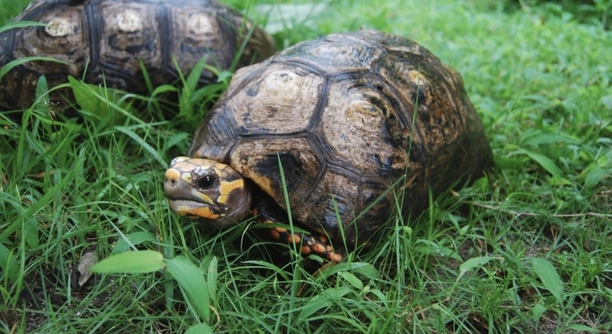
Red-footed tortoises are known for their varied diet, which includes fruits, vegetables, and some plants. You might be wondering if cactus is a suitable food option for them. This article will explore that.
Red-footed tortoises can eat cactus in moderation. Cactus provides hydration and some nutrients but should be served carefully. It is important to remove spines and prepare it properly to avoid injury and digestive issues.
Properly preparing cactus for your tortoise can enhance their diet and ensure they stay healthy. Keep reading for detailed instructions on how to serve cactus safely.
Can Red-Footed Tortoises Safely Eat Cactus?
Red-footed tortoises are omnivores and enjoy a wide variety of food. Cactus can be a healthy addition to their diet, offering hydration and some key nutrients. However, not all types of cactus are suitable for tortoises, so it’s essential to know which varieties are safe. Additionally, the way you prepare cactus is crucial. If not prepared correctly, cactus could harm your tortoise. While cactus pads can be a healthy option, certain species contain too much acid or are difficult to digest. Stick to safe types like prickly pear and ensure proper preparation to avoid risks.
Cactus offers hydration and fiber, but not all types are suitable. Safe cactus types include prickly pear, while others may be too acidic or tough for tortoises. Always remove spines before serving.
When feeding cactus, always focus on providing fresh, clean pieces. Cut the cactus into manageable chunks, ensuring all thorns are removed. If the cactus has tough skin, peel it off to make it easier for your tortoise to consume. Offer small portions and observe your tortoise’s reaction to the new food. Overfeeding cactus could cause digestive issues, so balance it with other veggies and fruits in their diet. Cactus should be an occasional treat, not a primary food source. Regularly check for signs of discomfort or digestive problems, especially when introducing new food items like cactus.
How to Prepare Cactus for Your Red-Footed Tortoise
Preparation is key when serving cactus to your tortoise. Always wash the cactus thoroughly and ensure you remove all thorns. A gentle peel of the skin may also be necessary.
Remove spines and wash thoroughly. Slice the cactus into manageable pieces and avoid overfeeding.
Benefits of Feeding Cactus to Red-Footed Tortoises
Cactus offers hydration and fiber, which are essential for your tortoise’s health. It’s especially helpful during warmer months when tortoises might need extra water. The cactus fruit, or pads, can provide a natural source of moisture to keep your pet hydrated.
The fiber in cactus also supports digestive health. Since red-footed tortoises are herbivores, their digestive system benefits from plant-based foods like cactus. It aids in moving food through the gut, helping to prevent constipation. The vitamins and minerals found in cactus also contribute to a balanced diet, supporting overall health.
Despite its benefits, cactus should be offered in moderation. Too much cactus, especially the fruit, could lead to loose stools or digestive upset. As with any new food, monitor your tortoise for any signs of discomfort or changes in their behavior.
Risks of Feeding Cactus to Red-Footed Tortoises
Although cactus has many benefits, there are risks if it’s not prepared properly. The spines of the cactus can cause injuries to your tortoise’s mouth, digestive system, or skin. Always ensure you completely remove any sharp spines before serving.
Additionally, some cacti contain higher levels of oxalates, which can bind to calcium and affect your tortoise’s ability to absorb this important mineral. A calcium deficiency can lead to serious health problems, such as shell deformities or weakened bones. Regularly offering cactus in moderation and balancing it with other foods can help avoid these risks.
Another risk is the potential for digestive issues if cactus is not introduced slowly. Tortoises may not be used to eating cactus and could have trouble digesting it. Introduce cactus gradually into their diet to avoid any sudden digestive upsets.
Types of Cactus Safe for Red-Footed Tortoises
Prickly pear cactus is the most commonly used type for tortoises. It’s widely available and safe when prepared correctly. Other cactus varieties, like the nopal cactus, can also be offered but should be used sparingly.
Prickly pear cactus has soft pads and fruit, which makes it easy for tortoises to eat. Nopal cactus offers similar benefits but may be tougher. Always remove any spines and serve the cactus in small, manageable portions.
How to Serve Cactus to Your Red-Footed Tortoise
Cut cactus pads into small, bite-sized pieces. Ensure that all thorns and spines are removed carefully to avoid injury. Wash the cactus thoroughly before serving to eliminate any dirt or chemicals.
Offering cactus as an occasional treat helps prevent overfeeding, which could lead to digestive issues. Always observe how your tortoise reacts to new food. Make sure they eat the cactus without any difficulty or signs of discomfort.
FAQ
Can red-footed tortoises eat cactus every day?
Cactus should not be a daily food item for red-footed tortoises. While it offers hydration and some beneficial nutrients, too much cactus can lead to digestive upset or calcium imbalances. It’s best to offer cactus as an occasional treat, along with a variety of other vegetables, fruits, and plant material. A varied diet ensures your tortoise gets all the necessary nutrients without overloading on one type of food.
How do I know if my tortoise likes cactus?
Tortoises can be particular about their food, so it’s important to observe their reactions when introducing cactus. If your tortoise shows interest, eats the cactus readily, and doesn’t experience any digestive issues, it likely enjoys it. However, if it ignores the cactus or refuses to eat it, you may want to try again later or offer it in a different form. Always monitor for any signs of discomfort after eating.
Are there any cacti that are dangerous for red-footed tortoises?
Yes, some types of cactus can be dangerous due to the presence of toxic chemicals or thorns. Avoid cactus varieties like the saguaro or others that may contain high amounts of oxalates, which could lead to kidney problems or disrupt calcium absorption. Stick to safe types like prickly pear and nopal cactus. Always ensure you remove any spines, as even non-toxic cactus with sharp thorns can cause physical harm to your tortoise.
What should I do if my tortoise eats cactus with thorns?
If your tortoise accidentally eats cactus with thorns, it may experience discomfort or injury in its mouth or digestive system. Keep an eye on your pet for any signs of distress, such as drooling, refusal to eat, or difficulty moving. If you notice anything unusual, consult a veterinarian right away. To avoid this, always ensure you thoroughly remove all thorns before serving cactus to your tortoise.
How much cactus should I feed my red-footed tortoise?
The amount of cactus to feed your red-footed tortoise should be moderate, as it’s best served as an occasional treat. A small piece of cactus, about the size of your tortoise’s head, is sufficient. Offering cactus too frequently can disrupt the balance of your tortoise’s diet, leading to digestive or nutritional issues. Cactus should complement other fresh greens, vegetables, and fruits in your tortoise’s diet.
Is cactus good for hydration?
Yes, cactus is a great source of hydration for red-footed tortoises. The water content in cactus pads and fruit can help keep your tortoise hydrated, especially during hot months when they may not drink as much water. However, don’t rely solely on cactus for hydration. Make sure your tortoise always has access to fresh water in its enclosure.
Can I feed cactus to a baby red-footed tortoise?
Yes, baby red-footed tortoises can eat cactus in moderation, but you need to be especially careful with how it’s prepared. Babies have more delicate digestive systems, so it’s important to start with small, soft pieces of cactus. Ensure there are no thorns and that the cactus is not too acidic. Always introduce new foods slowly to prevent digestive issues.
Should I feed my tortoise cactus with the skin on?
No, you should peel the skin off the cactus before offering it to your red-footed tortoise. The tough skin can be difficult for tortoises to digest, so it’s best to remove it. Only feed the soft, fleshy part of the cactus. Always make sure the cactus is clean and free of any spines or chemicals before serving.
How can I store cactus for my tortoise?
Fresh cactus should be stored in a cool, dry place and can be kept in the refrigerator for several days. It’s best to store cactus whole, but once it’s cut into pieces, it should be used within a day or two. Keep it in an airtight container to preserve freshness. Always wash and remove spines before storing or feeding it to your tortoise.
Can cactus cause loose stools in my tortoise?
Yes, overfeeding cactus can lead to loose stools. This is because cactus contains a high level of water, which can upset your tortoise’s digestive system if consumed in large quantities. To prevent this, offer cactus in moderation, ensuring it complements other foods in your tortoise’s diet. Always monitor for any digestive changes after feeding cactus.
Final Thoughts
Red-footed tortoises can safely enjoy cactus as part of a balanced diet. This plant provides essential hydration and some nutrients, but it should only be offered occasionally. Cactus is best enjoyed when it is properly prepared, meaning all thorns are removed and the flesh is cut into manageable pieces. While it’s a treat that can be beneficial, overfeeding cactus can lead to digestive issues, so moderation is key. Remember to offer a variety of other fresh fruits, vegetables, and plant matter to keep your tortoise’s diet well-rounded.
When introducing cactus to your tortoise, start with small portions to see how they react. Not all tortoises will be interested in cactus, and that’s perfectly fine. Observe their behavior after eating it, ensuring there are no signs of discomfort or digestive upset. If your tortoise doesn’t seem to enjoy cactus, don’t force it; stick with other food options. It’s also important to note that baby tortoises may need a more careful approach. Since their digestive systems are still developing, they might not tolerate cactus as well as adults, so always start with smaller amounts.
In summary, cactus can be a healthy and enjoyable treat for red-footed tortoises if given the right care and attention. It’s important to be mindful of the types of cactus you choose, ensuring that they are safe and free of harmful chemicals or thorns. By keeping your tortoise’s diet varied and balanced, you can ensure they stay healthy and happy. Always consult with a vet if you’re unsure about any food item, especially when introducing something new like cactus into their diet.

Hello,
If you enjoy the content that we create, please consider saying a "Thank You!" by leaving a tip.
Every little bit helps us continue crafting quality advice that supports the health, happiness, and well-being of pets around the world, for pets of all shapes, sizes, and species.
We really appreciate the kindness and support that you show us!