
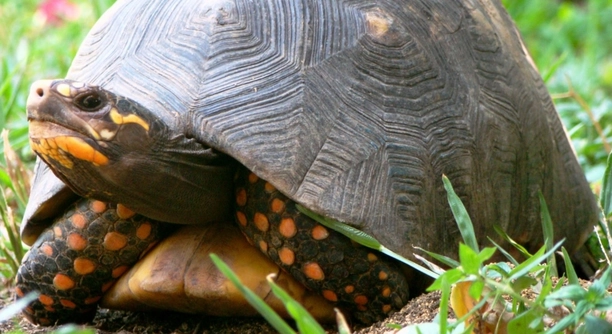
Is your red-footed tortoise’s nose running? While it may seem unusual, it could be a sign of something needing your attention. Knowing the causes and solutions can help you ensure your tortoise stays healthy and comfortable.
A runny nose in red-footed tortoises is typically caused by respiratory infections, dehydration, or environmental stress. It is important to address the underlying cause promptly to prevent further health issues. Infections can worsen without proper care.
There are several factors contributing to a runny nose in your tortoise. Understanding these causes can help guide you in finding the right solution.
Common Causes of a Runny Nose in Red-Footed Tortoises
A runny nose in red-footed tortoises can happen for various reasons. The most common cause is a respiratory infection, often triggered by improper humidity levels or sudden temperature changes in their environment. Red-footed tortoises are sensitive to both, and fluctuations in temperature can stress their immune system, leading to infections. Another possible cause is dehydration, which can weaken their system and make it harder for them to fight off infections. If your tortoise’s habitat is too dry or they aren’t drinking enough, this could lead to nasal discharge.
Proper humidity and temperature control are crucial to keep your tortoise healthy. These reptiles need an environment that mimics their natural habitat. Ensure your terrarium or enclosure stays warm and moist enough to prevent infections.
Pay close attention to your tortoise’s behavior. If it seems lethargic or its eating habits change, it could be a sign that something is wrong. Addressing these environmental factors will improve the chances of recovery.
What Happens if You Don’t Act Quickly?
A runny nose can quickly lead to more serious health problems if left untreated. A respiratory infection can worsen over time, affecting your tortoise’s ability to breathe and eat. If the infection spreads, it may also lead to more severe symptoms, such as swelling or nasal congestion.
If the infection isn’t addressed, your tortoise might face difficulties with its respiratory system, leading to long-term health problems. Some tortoises could even develop pneumonia if the infection isn’t managed. It’s important to seek veterinary care as soon as symptoms appear to ensure your tortoise receives the right treatment before it gets worse. Immediate action helps prevent complications that could affect its overall health.
How to Treat a Runny Nose in Your Red-Footed Tortoise
If your tortoise has a runny nose, the first step is to adjust the temperature and humidity in its environment. Keep the habitat warm and humid enough to prevent further stress. If necessary, use a humidifier or mist the enclosure with water to maintain moisture.
A stable environment can help your tortoise recover, but you might also need to see a vet for medication. A vet can prescribe antibiotics if the infection is bacterial or recommend other treatments to help clear up the nasal discharge. Early intervention is key to a successful recovery.
Ensure your tortoise is also drinking enough water to stay hydrated. Dehydration weakens the immune system, making it harder for the tortoise to fight off the infection. Offering fresh water or wet food can assist with rehydration. With the right care and proper treatment, most cases can be resolved effectively.
Prevention Tips for Red-Footed Tortoises
To prevent a runny nose in the future, always monitor your tortoise’s living conditions. Ensure that the temperature doesn’t fluctuate and that the humidity remains consistent. Adding a substrate that helps retain moisture can also be beneficial.
A well-maintained habitat plays a huge role in your tortoise’s health. Regularly clean the enclosure, removing excess moisture or waste, which can cause bacteria to grow. Also, ensure your tortoise is getting the right nutrition. A balanced diet can boost its immune system, making it more resistant to infections. Keeping your tortoise’s habitat stable and clean will help prevent health issues and support long-term well-being.
When to See a Veterinarian
If your tortoise’s nose continues to run despite adjusting the environment, it’s time to consult a vet. Prolonged symptoms could indicate a more serious infection or health issue that requires professional treatment. Early intervention helps prevent complications.
In some cases, a runny nose could be caused by other health conditions like parasites. A vet can perform tests to rule out these possibilities and prescribe the appropriate treatment. The sooner you take action, the better chance your tortoise has of recovering fully.
Other Signs to Watch For
Apart from a runny nose, you should monitor your tortoise for other symptoms of illness. Watch for lethargy, a decrease in appetite, or difficulty breathing. These could be signs that the infection is progressing or that your tortoise’s health is compromised.
If your tortoise shows any of these signs, take them to the vet immediately. A quick diagnosis and treatment can make all the difference in your pet’s recovery.
FAQ
What causes a red-footed tortoise to have a runny nose?
A runny nose in a red-footed tortoise is most often caused by a respiratory infection, which can be triggered by stress, poor humidity levels, or temperature fluctuations in their environment. Dehydration can also contribute to nasal discharge. In some cases, it could be due to an underlying health issue, like parasites or a weakened immune system.
How do I know if my tortoise has a respiratory infection?
In addition to a runny nose, signs of a respiratory infection in tortoises may include labored breathing, wheezing, a loss of appetite, and lethargy. You may also notice swelling around the eyes or mouth. If these symptoms are present, it’s important to act quickly and consult a vet.
Can a runny nose be caused by something other than an infection?
Yes, a runny nose can also be caused by other factors such as allergies, a dusty environment, or physical injury. However, infections are the most common cause. If the symptoms persist, it’s best to consult with a veterinarian to rule out any non-infectious causes.
What should I do if my tortoise’s nose is running?
First, check and adjust the temperature and humidity in your tortoise’s enclosure. Ensure that the habitat is warm and moist enough, as these factors are essential for your tortoise’s health. If the runny nose persists, seek veterinary care to rule out an infection and receive proper treatment.
How can I prevent my tortoise from getting a runny nose?
Maintaining a stable environment is key to preventing a runny nose. Keep the temperature and humidity levels in the optimal range for a red-footed tortoise. Regularly clean the enclosure to avoid the buildup of bacteria or mold, and ensure that your tortoise is hydrated and well-nourished.
Can dehydration cause a tortoise to have a runny nose?
Yes, dehydration can weaken your tortoise’s immune system, making it more susceptible to infections, including respiratory infections. It can also lead to nasal discharge. Ensure that your tortoise always has access to fresh water and consider offering moist food, such as leafy greens, to help with hydration.
How can I tell if my tortoise is dehydrated?
Signs of dehydration in tortoises include sunken eyes, dry skin, and a lack of urination. If your tortoise refuses to drink water or eat, it could be dehydrated. In this case, increase hydration by offering water more frequently or adding moisture to its food.
Is it safe to treat a runny nose at home?
If your tortoise’s nose is running due to minor environmental factors, adjusting the temperature and humidity at home may be enough. However, if symptoms persist or worsen, it’s always best to consult a veterinarian to avoid complications and ensure proper care.
Can my tortoise recover from a respiratory infection?
With proper treatment, most tortoises can recover from a respiratory infection. If caught early and treated promptly, the chances of recovery are good. However, untreated infections can lead to serious complications, so it’s important to seek veterinary care as soon as possible.
What happens if I don’t treat my tortoise’s runny nose?
If left untreated, a respiratory infection can worsen, potentially leading to pneumonia or other severe health issues. It can also cause long-term damage to the tortoise’s respiratory system. It’s important to act quickly and provide treatment to ensure your tortoise recovers without further complications.
Can I use any over-the-counter medicine to treat my tortoise?
It’s not recommended to use any over-the-counter medications without veterinary guidance. Some treatments that work for other animals might not be suitable for tortoises, or they could make the condition worse. Always consult a vet for the right medication and dosage.
How can I provide better humidity for my tortoise?
To increase humidity, consider using a misting system, a humidifier, or a damp substrate like coconut coir or sphagnum moss. Regular misting of the enclosure and providing a shallow water dish can also help raise humidity. Always monitor humidity levels to avoid making the enclosure too wet.
Can temperature affect my tortoise’s health?
Yes, both high and low temperatures can have negative effects on your tortoise’s health. Too much heat can cause dehydration and stress, while cold temperatures can suppress its immune system. Ensure that your tortoise’s enclosure maintains a stable and appropriate temperature for its species.
How can I ensure my tortoise stays healthy long-term?
Providing a balanced diet, maintaining proper temperature and humidity, and ensuring regular veterinary check-ups are essential for long-term health. Keep your tortoise’s enclosure clean, monitor its behavior for any signs of illness, and provide enough space for it to move freely.
Can stress cause a runny nose in tortoises?
Yes, stress can weaken your tortoise’s immune system, making it more vulnerable to respiratory infections. Stress can be caused by changes in the environment, such as loud noises, other pets, or improper habitat conditions. Minimizing stress will help keep your tortoise healthy and prevent illnesses.
Final Thoughts
A runny nose in your red-footed tortoise is usually a sign that something in its environment or health needs attention. Most commonly, it’s linked to respiratory infections, which can be caused by factors like fluctuating temperatures, low humidity, or dehydration. While it’s a fairly common issue, it shouldn’t be ignored. If your tortoise has nasal discharge, it’s important to take action quickly. Adjusting the temperature and humidity in the enclosure is often a first step, but if the problem persists or worsens, seeing a veterinarian is the best course of action.
When it comes to preventing a runny nose, the key is to maintain a stable environment. Consistent temperatures and humidity levels that mimic the tortoise’s natural habitat will reduce stress and help keep it healthy. Cleanliness in the enclosure is equally important; keeping the space free from waste and moisture buildup can prevent bacteria from spreading. Additionally, ensuring your tortoise has access to fresh water and a balanced diet will support its immune system, making it less prone to infections. Regular observation and care are essential for preventing health problems.
Remember that while respiratory infections are common, they are treatable with the right care. The earlier you address the issue, the better your tortoise’s chances of a full recovery. By paying attention to environmental factors and seeking veterinary care when necessary, you can help keep your tortoise in good health. Overall, creating a comfortable and safe environment for your pet will go a long way in preventing health issues like a runny nose and ensuring your tortoise lives a long and healthy life.

Hello,
If you enjoy the content that we create, please consider saying a "Thank You!" by leaving a tip.
Every little bit helps us continue crafting quality advice that supports the health, happiness, and well-being of pets around the world, for pets of all shapes, sizes, and species.
We really appreciate the kindness and support that you show us!