
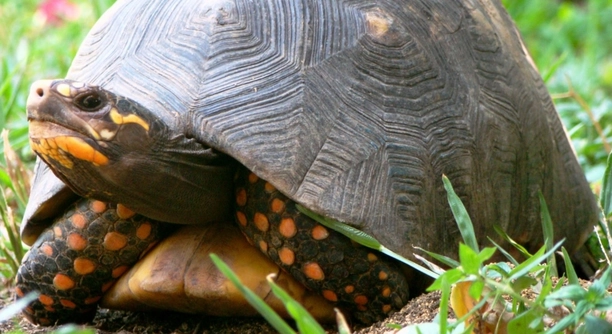
Getting a red-footed tortoise to eat more greens can sometimes be a challenge. These tortoises are known for being picky eaters. Knowing the right tricks can encourage them to enjoy a healthier diet.
To encourage a red-footed tortoise to eat more greens, you can try offering a variety of leafy vegetables, adding fruits for flavor, and making the greens more appealing by chopping or mixing them. Consistency and patience are key to success.
Finding the right balance and texture can make a noticeable difference in your tortoise’s eating habits. These simple tricks can guide you in helping your tortoise develop healthier eating habits.
Offer a Variety of Greens
Red-footed tortoises thrive on a varied diet, and offering a range of greens is essential for their health. While they may enjoy certain types of leaves more than others, it’s important to rotate different options like collard greens, dandelion greens, and kale. This variety not only helps provide balanced nutrition but also encourages your tortoise to explore new flavors and textures. Regularly changing the greens will keep your tortoise from becoming bored, ensuring they stay interested in their food. A good mix of leafy vegetables should be a staple in their diet, along with occasional fruits.
A balanced variety helps ensure your tortoise gets the nutrients they need without becoming too fixated on one food.
Some greens, like dandelion leaves, are high in calcium and essential vitamins that red-footed tortoises need for proper shell growth and overall health. Adding in a mixture of these greens can prevent nutritional deficiencies. Tortoises also tend to enjoy a combination of textures, so offering softer and harder vegetables can provide variety. Some tortoises might even prefer chopped pieces, so experiment with different cuts to see what works best for your pet. While some tortoises are hesitant about greens, introducing them gradually and persistently can lead to greater acceptance.
Incorporate Fruits for Flavor
Fruits like papaya, strawberries, and mangoes are excellent additions to your tortoise’s diet.
While fruits should be offered in moderation, they provide natural sweetness and appeal to red-footed tortoises. Adding small amounts of fruit alongside greens can help entice a picky eater.
Chopping Greens to Improve Palatability
Chopping greens into smaller pieces can make them more appealing and easier to eat.
Red-footed tortoises might find larger leaves difficult to consume, so cutting them into bite-sized pieces encourages them to try more greens. This method also allows for better mixing of various types of vegetables, which can keep your tortoise engaged. Consider using a food processor for consistency or simply cutting the leaves by hand to ensure the pieces are manageable. Offering chopped greens also prevents waste, as smaller pieces are less likely to be ignored.
Some tortoises may be more inclined to eat greens when they are finely chopped. This makes it easier for them to chew and enjoy a variety of vegetables. Additionally, smaller pieces help create a balanced meal with less chance of one vegetable dominating their diet. Regularly changing up the mix of greens and chopping them into different sizes can make mealtime more enjoyable for your tortoise. Over time, this will help them develop healthier eating habits.
Add a Little Moisture to the Greens
Sometimes, adding moisture to the greens can make them more appealing.
Mist your tortoise’s greens with a little water before serving. Moistening the vegetables makes them softer and can enhance their smell, which encourages eating. Be cautious not to soak the greens too much, as excessive moisture can lead to spoilage. Just a light mist is enough to make them more enticing. Adding water can also mimic the natural environment, where plants are often slightly damp.
Offer Fresh Greens Daily
Consistency is key when it comes to feeding your red-footed tortoise greens.
Offer fresh greens every day to establish a healthy routine. Tortoises thrive on fresh food, and providing new greens daily helps maintain their interest. Avoid leaving old greens in their habitat for too long, as they may become unappealing or cause health issues.
Red-footed tortoises need daily access to fresh greens to maintain their health. A consistent supply of nutritious options helps them get the right amount of vitamins and minerals. Over time, they will associate mealtime with freshness and variety, encouraging them to eat more.
Avoid Overfeeding Fruits
Although fruits can be enticing, moderation is important.
Too many fruits can disrupt the balance of nutrients in your tortoise’s diet, so be careful not to overfeed them. Stick to small portions and make fruits an occasional treat, rather than a daily offering. This helps prevent an unbalanced diet, which can lead to health issues.
Create a Comfortable Eating Environment
A comfortable, stress-free environment can encourage your tortoise to eat more.
Make sure your tortoise’s feeding area is quiet and free of distractions. If your tortoise feels safe and relaxed, it is more likely to eat. Try setting up their feeding space in a calm area of the enclosure where they can enjoy their meal without feeling threatened.
FAQ
How often should I feed my red-footed tortoise greens?
It’s best to offer fresh greens daily. Red-footed tortoises thrive on a consistent feeding schedule, and fresh greens provide essential nutrients. The amount can vary depending on your tortoise’s size and age, but generally, aim to provide a variety of greens each day. Ensure that the greens are fresh and free from pesticides or harmful chemicals.
Can red-footed tortoises eat fruit every day?
Fruits should be offered in moderation. While fruits like mangoes, papayas, and strawberries are loved by tortoises, they should not be given every day. Too much fruit can cause digestive issues and unbalanced nutrition. Aim to give fruits a few times a week, paired with greens for balance.
What are the best greens for a red-footed tortoise?
Red-footed tortoises enjoy a variety of leafy greens. Some of the best choices include dandelion greens, collard greens, mustard greens, and kale. These are nutrient-dense and safe for tortoises. Avoid iceberg lettuce, as it has little nutritional value and can cause digestive issues.
Can red-footed tortoises eat vegetables?
Yes, red-footed tortoises can eat certain vegetables. Vegetables like squash, bell peppers, and carrots are good options. However, these should only be part of their diet, as tortoises require a variety of greens for optimal health. Offering a mix of vegetables with greens will provide balanced nutrition.
Should I soak my red-footed tortoise’s greens?
Soaking greens is not necessary but can make them more appealing. Lightly misting the greens with water can enhance the smell and texture, making them more enticing to your tortoise. Just avoid soaking them too much, as this can lead to spoilage or excess moisture in their food.
What should I do if my red-footed tortoise is not eating?
If your tortoise is not eating, first check the temperature and humidity levels in its enclosure. Red-footed tortoises require a warm environment to thrive. Stress, poor environmental conditions, or illness can cause a lack of appetite. If the problem persists, consult a veterinarian to rule out health issues.
Can I feed my red-footed tortoise commercial tortoise food?
While some commercial tortoise foods are convenient, they should not make up the majority of your tortoise’s diet. It’s important to provide fresh, natural greens and vegetables for a balanced diet. Commercial foods can be offered occasionally, but they should not replace whole foods.
How do I get my tortoise to eat more greens?
To encourage your tortoise to eat more greens, try offering a variety of different leafy vegetables, chopped into smaller pieces. Adding a small amount of fruit can also make the greens more appealing. Patience is key, as tortoises can be picky eaters, and they may need time to adjust.
Can red-footed tortoises eat flowers?
Yes, red-footed tortoises can eat certain flowers. Edible flowers like hibiscus, pansies, and dandelions are safe and nutritious for them. Make sure the flowers you offer have not been treated with pesticides or chemicals. Always research any flower before feeding it to ensure it’s safe.
How much water should my red-footed tortoise drink?
Red-footed tortoises require access to fresh water daily. Ensure there is always a clean water source in their enclosure. They may not drink much if the humidity levels are too low, so keeping the enclosure at proper humidity is essential. You can also soak your tortoise in shallow water a few times a week to encourage hydration.
What fruits are safe for a red-footed tortoise?
Safe fruits for red-footed tortoises include mango, papaya, strawberries, and watermelon. These fruits are high in water content and vitamins, making them a great occasional treat. Be sure to remove any seeds from fruits like apples and pears to prevent choking hazards.
How do I know if my tortoise is healthy?
A healthy red-footed tortoise will be active, alert, and have clear eyes and a smooth, firm shell. It should eat regularly and show interest in food. If your tortoise is lethargic, not eating, or has a sunken shell, it may indicate health problems. In such cases, a vet visit is necessary.
Can I feed my tortoise wild plants?
You can feed your tortoise some wild plants, but only if you are sure they are safe and free from pesticides. Dandelions, clover, and plantain are commonly safe for tortoises. Always double-check before offering wild plants to ensure they are not toxic to tortoises.
Final Thoughts
Feeding a red-footed tortoise a balanced diet is essential for its health and well-being. Greens should form the core of their diet, with a variety of leafy vegetables being the most beneficial. Offering fresh greens daily ensures they receive the necessary nutrients for proper growth and energy. Fruits can be included but should be limited due to their high sugar content. Overfeeding fruits can lead to health problems, so it’s important to provide them as occasional treats rather than daily staples.
Creating an environment where your tortoise feels comfortable and secure is equally important. A stress-free habitat promotes healthy eating habits. Ensure your tortoise has a quiet, clean space to enjoy its meals without disturbance. You can enhance the appeal of their food by offering fresh, clean greens daily, which helps build a consistent routine. If your tortoise refuses to eat, it may be due to stress or poor environmental conditions. It is crucial to maintain the right temperature, humidity, and lighting to create the optimal environment for your tortoise.
Remember that consistency is key when it comes to feeding your tortoise. It may take time for your pet to develop a preference for certain types of food, but patience is essential. By offering a variety of greens and ensuring a comfortable living space, you help your red-footed tortoise stay healthy and content. Keep a close eye on its eating habits and adjust its diet as needed. If issues persist, it’s always wise to consult a veterinarian for guidance.

Hello,
If you enjoy the content that we create, please consider saying a "Thank You!" by leaving a tip.
Every little bit helps us continue crafting quality advice that supports the health, happiness, and well-being of pets around the world, for pets of all shapes, sizes, and species.
We really appreciate the kindness and support that you show us!