
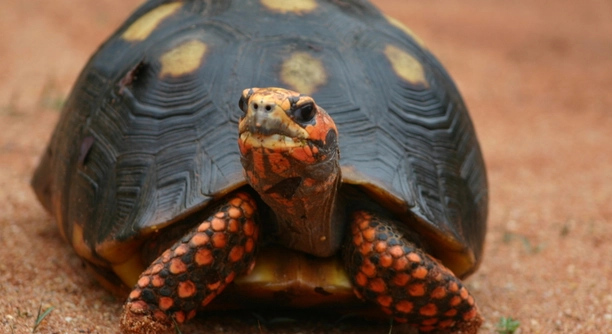
Your red-footed tortoise’s daily routine plays a big role in its overall well-being. Enriching their environment helps to keep them mentally and physically stimulated, ensuring a happier and healthier life. Simple adjustments can make a noticeable difference.
To enhance your red-footed tortoise’s routine, providing varied activities such as exploring different terrains, offering new food options, and introducing enrichment items can foster natural behaviors. Routine changes prevent boredom and promote physical and mental health.
Enriching your tortoise’s routine will not only benefit their happiness but also their longevity. Making small changes can lead to big improvements.
Providing a Variety of Food Options
Red-footed tortoises are omnivores, so offering a diverse range of foods helps mimic their natural diet. Fresh vegetables like lettuce, kale, and dandelion greens are essential, along with fruits such as papaya, bananas, and strawberries. You can also incorporate high-quality tortoise pellets to provide additional nutrients.
Including protein-rich options like eggs, mealworms, and snails can give your tortoise the energy it needs to stay active. When feeding your tortoise, remember to avoid high oxalate foods, such as spinach, which can interfere with calcium absorption. A varied diet prevents boredom and contributes to better health.
To keep their diet exciting, rotate their food choices regularly. This way, your tortoise will always have something new to look forward to. Additionally, providing food in different ways, such as hiding treats or placing them in different areas, can engage your tortoise and encourage foraging behavior. By doing this, you’ll ensure that mealtime is both enjoyable and beneficial for your pet’s health.
Creating a Stimulating Environment
A well-designed environment is key to your red-footed tortoise’s daily enrichment.
Ensure the habitat includes a mix of hiding spots, rocks, and logs that encourage exploration. Adding plants or leafy greens will make the space feel more natural and provide your tortoise with a place to hide and feel secure. The addition of various textures can keep your pet interested.
Consider introducing a small water area where your tortoise can soak, as it promotes hydration and encourages natural behaviors. Red-footed tortoises are often found in forested habitats, so replicating this environment with plenty of climbing opportunities can provide both mental and physical stimulation. A secure, natural-feeling setup allows your tortoise to explore and stay active, preventing restlessness.
Encouraging Natural Behavior
Observing and encouraging your tortoise’s natural behaviors can keep it mentally and physically engaged. Provide opportunities for foraging, climbing, and basking. These activities replicate the natural environment and help keep your tortoise active. Regularly changing the environment can also stimulate exploration.
Feeding your tortoise in different places within its habitat will engage its foraging instinct. This encourages movement and mental stimulation. Additionally, hiding small treats or fruits around its enclosure will spark curiosity, promoting both physical activity and cognitive engagement. These simple changes prevent boredom and contribute to a more fulfilling daily routine for your tortoise.
Introducing enrichment items like new logs, rocks, or climbing structures will encourage your tortoise to move around and explore. The change in scenery can boost physical exercise and prevent lethargy. It’s important to monitor how your tortoise interacts with these items to ensure it feels comfortable while still being challenged to explore its surroundings.
Offering Sunlight and UVB Light
Natural sunlight is vital for a red-footed tortoise’s health.
If you can’t provide direct sunlight, invest in a UVB light to mimic the sun’s effects. These lights help with vitamin D3 production, which is essential for calcium absorption. Without it, your tortoise could develop shell deformities or other health issues.
Place the UVB light close enough to your tortoise’s basking area so that it can absorb the necessary UVB rays. Ensure the light is replaced regularly, as UVB bulbs lose their effectiveness over time. In addition, set up basking areas with adequate warmth and sunlight to maintain optimal health. Regular exposure to UVB light not only keeps your tortoise’s shell strong but also promotes overall well-being.
Providing Fresh Water
Clean, fresh water should always be available to your tortoise. Place the water dish in an easily accessible spot but not in the way of its primary activity areas. Ensure the dish is large enough for your tortoise to soak if it chooses to.
Change the water daily to prevent bacteria growth. A shallow dish will encourage your tortoise to drink more frequently and stay hydrated. This simple addition to the habitat will promote overall health, supporting both the tortoise’s digestive system and skin.
Routine Handling and Socialization
While red-footed tortoises tend to be solitary, gentle handling and occasional social interaction can build trust and reduce stress.
Try to avoid excessive handling, as this can stress them out, but aim for a regular routine to help them feel comfortable with your presence. Hand-feeding or offering treats can encourage this interaction.
Creating a Digging Area
Digging is a natural behavior for many tortoises. Creating a digging area in their habitat will allow your tortoise to express this instinct.
You can add soft, loose soil or coconut coir to the enclosure, encouraging your tortoise to burrow. This helps with mental stimulation and can provide a sense of security.
FAQ
What should I feed my red-footed tortoise?
Red-footed tortoises are omnivores, so their diet should consist of both plant and animal-based foods. Offer a variety of leafy greens like lettuce, dandelion, and kale, along with fruits like papaya, strawberries, and bananas. You can also include protein sources like eggs, mealworms, or snails. Always avoid high-oxalate foods such as spinach, as they can interfere with calcium absorption. It’s important to feed your tortoise a mix of fresh and high-quality pellets for balanced nutrition.
How often should I feed my red-footed tortoise?
Feed your red-footed tortoise daily. Younger tortoises may require more food than adults, so adjust the portions accordingly. Adults typically require less frequent feeding, but they still need daily access to fresh food. A good rule is to offer enough food for your tortoise to eat in 15-30 minutes. Monitor your tortoise’s body condition and adjust feeding amounts to maintain a healthy weight.
Do red-footed tortoises need a lot of space?
Yes, red-footed tortoises require ample space to roam and explore. A larger enclosure allows them to move freely and express natural behaviors like foraging and climbing. As a general guideline, aim for a minimum of 4 square feet of space for every tortoise. However, the more space you can provide, the better it will be for your tortoise’s physical and mental well-being.
How do I maintain the proper humidity for my red-footed tortoise?
Red-footed tortoises thrive in environments with high humidity, ideally around 60-80%. To maintain proper humidity, you can mist the enclosure daily or add a humidifier. Ensure the substrate, such as coconut coir or soil, retains moisture but does not become too soggy. It’s also important to monitor the humidity levels with a hygrometer to ensure they stay within the ideal range. A shallow water dish can also help increase humidity in the habitat.
What temperature should my red-footed tortoise’s enclosure be?
The temperature of the enclosure should be carefully monitored to provide your tortoise with a proper basking area and cooler areas to regulate its body temperature. The basking area should be around 85-90°F, while the cooler areas of the enclosure can be between 75-80°F. It’s crucial to have a temperature gradient, so your tortoise can move between warmer and cooler areas as needed.
Can I keep multiple red-footed tortoises together?
Red-footed tortoises can sometimes live together, but it’s important to monitor their behavior. Males, in particular, can be territorial and aggressive towards each other, so it’s best to house them separately. If you choose to keep multiple tortoises together, ensure the enclosure is large enough to give each tortoise its own space and territories to avoid conflicts.
How often should I clean my red-footed tortoise’s enclosure?
Clean the enclosure regularly to maintain a healthy environment for your tortoise. Spot clean daily by removing uneaten food, waste, and debris. Once a week, remove all items from the enclosure, clean the substrate, and disinfect any surfaces with reptile-safe cleaning solutions. This helps prevent the buildup of harmful bacteria and keeps the habitat fresh.
Do red-footed tortoises need UVB light?
Yes, red-footed tortoises need UVB light to thrive. UVB light is essential for the synthesis of vitamin D3, which helps with calcium absorption. If you cannot provide natural sunlight, invest in a UVB bulb specifically designed for reptiles. Place the UVB light over the basking area and ensure it’s replaced regularly, as the bulbs lose their effectiveness over time.
How can I keep my red-footed tortoise active and entertained?
Enrichment is key to keeping your tortoise active and mentally stimulated. Offer a variety of foods, textures, and habitats for them to explore. You can introduce new items, such as logs or rocks, to encourage climbing and exploration. Hiding treats or food in different spots of the enclosure will also engage your tortoise’s foraging instincts, providing both physical and mental stimulation.
What is the lifespan of a red-footed tortoise?
Red-footed tortoises have a long lifespan, typically living 40-50 years in captivity with proper care. Some individuals have been known to live even longer. Providing a proper diet, habitat, and health care will ensure that your tortoise lives a long and healthy life.
How can I tell if my red-footed tortoise is sick?
Signs of illness in red-footed tortoises can include a lack of appetite, lethargy, swollen eyes, abnormal breathing, or changes in their shell condition. If you notice any of these symptoms, it’s important to take your tortoise to a reptile veterinarian for a check-up. Early diagnosis and treatment are crucial for preventing serious health issues.
How do I prevent shell rot in my red-footed tortoise?
Shell rot is a bacterial infection that can develop if your tortoise’s shell is injured or kept in unsanitary conditions. To prevent shell rot, maintain a clean habitat and avoid excessive humidity that could cause fungal or bacterial growth. If your tortoise’s shell is damaged, ensure it is treated promptly with antiseptic and consult a veterinarian for proper care.
Is it okay to let my red-footed tortoise roam outside?
Yes, red-footed tortoises can safely roam outside in a secure, enclosed area. However, be mindful of predators, temperature, and humidity changes. It’s important to monitor your tortoise closely and ensure that it has access to shade, water, and shelter from the elements. When kept outside, ensure the area is free from chemicals or hazards that could harm your tortoise.
How can I create a naturalistic habitat for my red-footed tortoise?
To create a naturalistic habitat, mimic the tortoise’s native environment by using plants, rocks, and logs that replicate the forest floor. Include a variety of textures like sand, soil, and leaves to create a stimulating environment. Adding both sunny basking areas and shaded spots will give your tortoise the ability to regulate its body temperature. Keep in mind that the enclosure should also have enough space for your tortoise to move around freely.
Final Thoughts
Caring for a red-footed tortoise requires attention to detail, a proper diet, and a suitable habitat. By providing a balance of leafy greens, fruits, and proteins, you ensure your tortoise receives the necessary nutrients for healthy growth. Additionally, incorporating a variety of textures and environments within their enclosure helps keep them active and mentally stimulated. The key to a happy, thriving red-footed tortoise is consistency. Regular feeding, proper temperature, and maintaining high humidity will help replicate the conditions they would naturally experience in the wild.
In terms of space, it’s important to give your tortoise room to roam. A cramped enclosure can lead to stress and a lack of proper exercise. A large, enriched environment allows your tortoise to express natural behaviors, like foraging and climbing. Make sure the enclosure includes both warm areas for basking and cooler spots for resting. Offering a variety of plants, rocks, and logs encourages exploration, which contributes to physical and mental well-being. A clean environment is also crucial, as it helps prevent infections and other health issues that could arise from bacteria buildup.
Over time, you’ll notice the positive effects of your careful planning and attention to your tortoise’s needs. A well-maintained habitat, appropriate nutrition, and frequent interactions will contribute to a long and healthy life for your red-footed tortoise. By consistently monitoring their health, behavior, and surroundings, you create an environment where your tortoise can thrive. This ongoing commitment ensures that your pet remains active, happy, and well-adjusted for years to come. With the right care, red-footed tortoises can be a rewarding and long-term companion.

Hello,
If you enjoy the content that we create, please consider saying a "Thank You!" by leaving a tip.
Every little bit helps us continue crafting quality advice that supports the health, happiness, and well-being of pets around the world, for pets of all shapes, sizes, and species.
We really appreciate the kindness and support that you show us!