
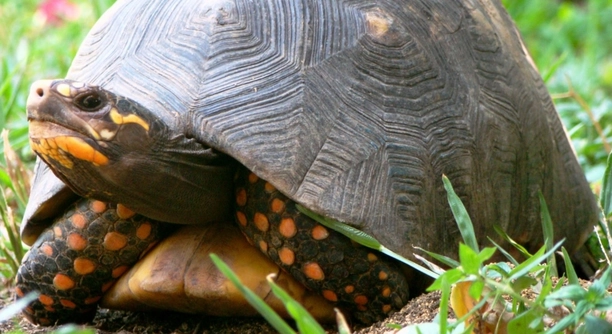
Red-footed tortoises are fascinating creatures, and understanding their behavior can be a bit tricky at times. One action that may catch your attention is when they start rubbing their faces.
Rubbing their face could be a sign that your red-footed tortoise is cleaning itself, shedding old skin, or even dealing with irritation. It’s a natural behavior, but it may also indicate underlying issues like stress or health concerns.
This behavior is often harmless, but it’s important to observe your tortoise’s overall well-being. There are several things to consider when figuring out why this is happening.
Common Reasons for Face Rubbing in Red-Footed Tortoises
Rubbing their face is a typical behavior for red-footed tortoises, but there are a few reasons why they might do this. One of the most common causes is skin shedding. As tortoises grow, their skin becomes old and needs to be removed. This process can often cause them to rub their face against surfaces in their environment to help loosen and shed the dead skin. Another reason could be irritation, such as from something in their habitat or diet that is causing discomfort. Stress can also lead to face rubbing, as tortoises may rub their face to self-soothe or signal discomfort.
In some cases, face rubbing may indicate health concerns. If a tortoise is rubbing its face excessively or seems to be having trouble shedding, it’s important to check if there are other signs of illness, such as lethargy or lack of appetite. A dirty or too dry enclosure can also cause issues for them. Ensuring your tortoise’s living conditions are clean and humid enough can help reduce the chances of face rubbing due to irritation.
Properly managing the environment and health of your tortoise can prevent face rubbing from turning into a bigger problem. Regular observation is essential to ensure their well-being. Sometimes, it’s simply their way of cleaning themselves or scratching an itch, but if the behavior persists, it could be an indication to look closer at their surroundings or health.
How to Check for Irritation or Health Issues
If your tortoise seems to be rubbing its face often, it’s a good idea to carefully inspect its skin and overall condition.
Start by checking if there are any signs of irritation, like redness or swelling around the eyes, mouth, or shell. Also, ensure your tortoise is getting enough moisture in its environment. Dry air or poor humidity can contribute to skin problems.
Skin Shedding and Natural Behavior
When your red-footed tortoise rubs its face, it could simply be shedding its old skin. This is a natural process for tortoises as they grow. They may rub against surfaces to help remove the old layers of skin, especially around their face and neck areas.
If you notice your tortoise rubbing its face more than usual, check for signs of shedding. You might see flaking skin or areas where the skin looks loose. This is completely normal, but make sure to monitor how much they are rubbing. Overdoing it could indicate irritation.
Skin shedding is usually harmless, but excessive rubbing could mean the tortoise is having trouble shedding its old skin. In this case, giving your tortoise extra humidity or providing a humid hide can help. You can also gently wipe them down with a soft cloth to assist in the process.
Environmental Factors to Consider
Red-footed tortoises are sensitive to their surroundings. Rubbing their face might be a sign of discomfort from environmental factors.
If their habitat is too dry or too humid, it can cause skin issues or irritation. Ensure your tortoise’s living space is properly maintained with the correct humidity levels, as well as clean and dry bedding. If their enclosure is too hot or too cold, this can also make them uneasy and cause them to rub their face more frequently.
Stress and Anxiety in Red-Footed Tortoises
Stress can trigger face rubbing in red-footed tortoises. Changes in their environment, like new animals or loud noises, can make them feel uneasy. They may rub their face as a way to self-soothe.
If the rubbing seems to be happening when there are changes around them, stress might be the cause. It’s important to minimize stress by keeping their environment calm and stable.
A tortoise may also rub its face if it feels threatened or is trying to establish territory. Reducing stress factors and providing a quiet, safe space for your tortoise can help prevent this behavior.
Diet and Irritation
Your tortoise’s diet could also be affecting its behavior. Certain foods or lack of nutrition may cause discomfort or skin irritation, which leads to face rubbing.
Ensure your tortoise is eating a balanced diet, and avoid giving them too much high-protein food, which could lead to skin issues. Make sure they have access to fresh greens and a variety of fruits to maintain their health.
Health Issues to Watch Out For
Occasionally, face rubbing can be a sign of a health problem. Respiratory infections or eye problems might cause discomfort, leading your tortoise to rub its face more than usual. If you notice discharge or swelling around the eyes, it’s time to see a vet.
FAQ
Why is my red-footed tortoise rubbing its face on the ground?
Face rubbing in red-footed tortoises is often a natural behavior linked to shedding. Tortoises shed their skin regularly, and rubbing helps them remove the old layers. This rubbing can happen on various surfaces, such as rocks, the floor of their enclosure, or even their own shells. If the rubbing is frequent, it could indicate an issue with their shedding process or irritation caused by dryness.
How can I tell if my tortoise is stressed?
If your tortoise is rubbing its face more often, look for other signs of stress, such as hiding, pacing, or being unusually aggressive. Changes in their environment, like a new pet or a loud noise, can cause stress. Stress can also be triggered by improper temperature or humidity levels in their enclosure, so it’s essential to keep the habitat stable.
Could my tortoise be sick if it rubs its face a lot?
Yes, it’s possible that your tortoise could be experiencing a health issue if it rubs its face excessively. Respiratory infections, for example, may cause them to rub their face in an attempt to relieve discomfort. If your tortoise has discharge from its eyes or nose, or if its behavior seems off, it’s best to consult a vet.
Should I be worried if my tortoise rubs its face a little?
Not necessarily. A little face rubbing is generally harmless, especially if it’s during shedding. Tortoises often rub their faces to clean or scratch an itch. However, if the rubbing becomes excessive or is accompanied by other symptoms like swelling, discharge, or a lack of appetite, you should look into it further.
What can I do if my tortoise is rubbing its face too much?
If face rubbing becomes frequent or excessive, it’s important to assess your tortoise’s environment and health. First, check if the humidity levels in their enclosure are appropriate. Dry skin can cause discomfort, and a little extra humidity can help with the shedding process. Also, ensure that there are no irritants in their habitat, like rough surfaces or unsuitable bedding. If the problem persists, consider a vet visit to rule out any health issues.
Is it possible that my tortoise is rubbing its face because of something in its diet?
Yes, diet can play a role in a tortoise’s skin condition and overall comfort. A poor diet can lead to skin irritation or digestive issues, which may cause your tortoise to rub its face. If you’ve recently changed their food or introduced new items to their diet, try eliminating them and seeing if the behavior improves. Make sure they are getting enough fiber and proper nutrition to support healthy skin and digestion.
What signs should I watch for if I think my tortoise is sick?
If your tortoise is rubbing its face often and showing other unusual signs, like a loss of appetite, lethargy, or difficulty breathing, it could be sick. Infections, respiratory problems, and other health issues can cause discomfort and behavior changes. Pay attention to the consistency of their waste and whether they seem to be having trouble moving around. If you notice anything out of the ordinary, it’s a good idea to consult a vet.
Can stress cause permanent damage to my tortoise?
While short-term stress is unlikely to cause lasting harm, long-term or extreme stress can negatively affect your tortoise’s health. Chronic stress can lead to a weakened immune system, digestive issues, and even behavioral problems. To keep your tortoise happy and healthy, it’s important to minimize stress by maintaining a stable environment and avoiding sudden changes.
How often do red-footed tortoises shed their skin?
Red-footed tortoises shed their skin about every 4 to 6 weeks. However, this can vary depending on factors like age, diet, and environmental conditions. If your tortoise is rubbing its face frequently, it may be trying to help with the shedding process. Keep an eye out for signs of old skin that may need to be removed, especially around their neck and face.
What should I do if I think my tortoise has an eye infection?
If you notice that your tortoise is rubbing its face more than usual, and there are signs of eye discharge or swelling around the eyes, it might have an eye infection. Keep their enclosure clean and monitor the situation. If the condition doesn’t improve or gets worse, it’s best to take your tortoise to a vet who can provide proper treatment for the infection.
Are there any common mistakes I should avoid when caring for my tortoise?
One common mistake is not providing enough humidity. Red-footed tortoises require a certain level of humidity to shed their skin properly. Without it, they may develop dry skin or irritations, leading to increased face rubbing. Additionally, maintaining a proper temperature gradient in the enclosure is essential. Too hot or too cold can cause stress, leading to rubbing and other behaviors. Another mistake is overfeeding or offering an unbalanced diet, which can cause health problems.
Can a tortoise rub its face if it’s uncomfortable with its shell?
Yes, a tortoise may rub its face against objects if it is uncomfortable with its shell. This could be due to irritation, a fungal infection, or damage to the shell. If you notice any discoloration or abnormal growth on your tortoise’s shell, it’s important to get them checked by a vet. The shell is essential for their protection, and any issues with it should be addressed promptly.
Final Thoughts
Red-footed tortoises are relatively low-maintenance pets, but understanding their behaviors can sometimes be tricky. Face rubbing is one of those behaviors that may seem unusual, but it is often part of their natural routine. Rubbing their face could be as simple as shedding old skin or trying to get rid of an itch. In most cases, it’s nothing to worry about, especially if the behavior is occasional and doesn’t seem excessive. However, it’s important to observe your tortoise’s behavior and make sure there aren’t other signs of discomfort or health problems.
If the rubbing becomes frequent or is accompanied by other signs like swelling, discharge, or a lack of appetite, it might be worth taking a closer look at their environment or diet. Stress and environmental factors, like dry conditions or an unstable temperature, can contribute to face rubbing. Providing a proper habitat with the right humidity and temperature levels can help reduce irritation and make your tortoise feel more comfortable. Remember, a well-balanced diet also plays a role in their overall health, so be sure they’re getting the nutrients they need.
In some cases, face rubbing could signal a health problem, like a respiratory infection or eye irritation. If the behavior persists or gets worse, it’s always a good idea to consult with a vet to rule out any medical issues. By keeping an eye on their health, making sure they have a suitable living environment, and offering a balanced diet, you can help ensure your red-footed tortoise remains happy and healthy. Regular observation and small adjustments to their care routine can make a big difference in preventing problems like excessive face rubbing from becoming an issue.

Hello,
If you enjoy the content that we create, please consider saying a "Thank You!" by leaving a tip.
Every little bit helps us continue crafting quality advice that supports the health, happiness, and well-being of pets around the world, for pets of all shapes, sizes, and species.
We really appreciate the kindness and support that you show us!