
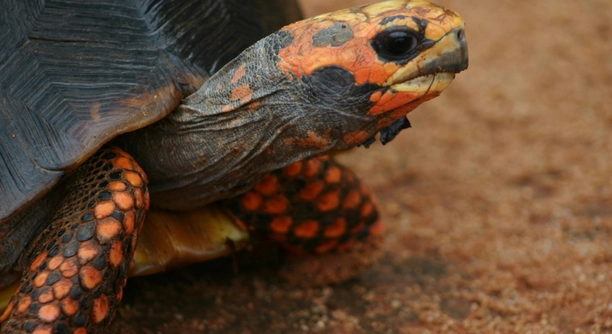
When caring for a red-footed tortoise, choosing the right substrate is crucial for its health and comfort. The right bedding supports your tortoise’s behavior and helps maintain its environment. This article explores seven top substrate options.
The best substrates for red-footed tortoises include options that mimic their natural environment, providing moisture control, comfort, and cleanliness. Suitable choices include coconut coir, organic soil, and cypress mulch, which are safe and beneficial for your tortoise’s well-being.
Understanding the different substrate types will help you create the ideal home for your red-footed tortoise. Each option comes with its benefits and drawbacks that are worth considering.
Coconut Coir
Coconut coir is a top pick for red-footed tortoises because it closely resembles the moist, earthy conditions they enjoy in the wild. It holds moisture well, which is essential for maintaining humidity levels in the enclosure. This substrate is soft and gentle on your tortoise’s feet, making it comfortable for them to roam. Coconut coir is also biodegradable, which is great for sustainability. Many tortoise keepers choose it because it’s easy to clean, and it doesn’t carry the risk of mold like other organic substrates.
This material is also inexpensive and accessible. Coconut coir is available in compact bricks, which expand when you add water, making it convenient for tortoise owners.
The only drawback is that coconut coir can sometimes become too wet if not properly maintained. If it’s left too moist, it may encourage bacterial growth, so it’s important to regularly check the humidity levels. However, when used correctly, it provides a safe and natural environment for your tortoise.
Cypress Mulch
Cypress mulch is another great option that offers excellent moisture retention. It’s also known for its ability to help with humidity control, which is crucial for red-footed tortoises. This substrate has a natural, earthy smell that many tortoise keepers find pleasant.
The mulch is soft and fluffy, making it easy for your tortoise to dig through. It’s also highly absorbent, reducing the chances of odors building up. However, be sure to avoid cypress mulch with added chemicals, as this could harm your tortoise.
Cypress mulch helps to maintain a stable environment for red-footed tortoises, and it’s easy to find in pet stores or online. It’s durable and doesn’t need frequent replacement, which makes it cost-effective. Many tortoises enjoy burrowing in it, as it offers the ideal texture for digging and hiding. Despite its benefits, it’s essential to monitor moisture levels to avoid excessive wetness, as this could lead to mold or bacteria.
Organic Soil
Organic soil is another option worth considering for red-footed tortoises. It mimics the natural environment by offering a rich, earthy feel that tortoises can dig through. It also retains moisture effectively, ensuring a comfortable level of humidity. This substrate can be combined with other materials for added benefits.
The key advantage of organic soil is its ability to provide a natural environment for burrowing and nesting. The texture encourages healthy digging behavior, which helps keep your tortoise active. Additionally, organic soil is often rich in beneficial microorganisms, helping to break down waste and maintain a cleaner habitat.
However, it’s important to use pesticide-free soil. Many commercial soils have chemicals that could harm your tortoise. Regular cleaning is essential to avoid the build-up of harmful bacteria or mold. Ensure the soil doesn’t stay too wet, as excess moisture can lead to issues with odor and hygiene.
Sand and Topsoil Mix
A sand and topsoil mix can create a more natural environment for your tortoise to roam. This blend mimics the dry, earthy conditions many tortoises experience in their native habitats. It’s also a popular choice for tortoise keepers looking for a sturdy substrate that allows for easy digging.
This mixture is often used because it provides both texture and a safe environment for burrowing. The sand component ensures good drainage, preventing excess moisture buildup. The topsoil helps maintain the correct humidity levels. The mixture can also be tailored to fit specific needs, such as adding more sand or soil for varying moisture levels.
While this option is great for tortoises who enjoy digging, it can be messy. You’ll need to ensure that the mix doesn’t dry out too much, as this could make it difficult for your tortoise to dig. Regular checks and maintenance are essential to keep the environment safe and comfortable.
Leaf Litter
Leaf litter provides a natural, earthy environment for red-footed tortoises. It closely mimics the conditions they would encounter in the wild, offering a soft, dry surface. It also provides hiding spots and a more natural aesthetic for the enclosure.
This substrate is also biodegradable and helps maintain humidity levels when mixed with other materials. The leaves break down over time, providing nutrients to the enclosure and helping to enrich the tortoise’s environment. It’s easy to find and replace, but you’ll need to monitor it to prevent excessive wetness, which could cause mold growth.
Reptile Carpet
Reptile carpet is a synthetic option designed for easy cleaning and maintenance. It’s soft, non-toxic, and can be reused after cleaning. This option is ideal for tortoises that don’t require much digging.
While it’s easy to clean, reptile carpet doesn’t offer the same natural feel as organic substrates. It’s also not the best choice if your tortoise enjoys burrowing. Nonetheless, it’s a low-maintenance, affordable option that many keepers prefer for their convenience.
Clay or Clay-Based Substrates
Clay-based substrates are another choice for tortoise keepers looking for a dry, firm surface. These substrates help with moisture control and are particularly useful in areas where humidity can be difficult to manage. They also offer good drainage.
Clay substrates can sometimes be a bit too dry for red-footed tortoises, so they should be monitored for moisture levels. If too dry, the clay may cause respiratory issues. It’s important to keep the substrate balanced to ensure a healthy environment for your tortoise.
FAQ
What is the best substrate for a red-footed tortoise?
The best substrate for a red-footed tortoise depends on your specific setup and your tortoise’s needs. Options like coconut coir, cypress mulch, and organic soil are all highly recommended. These substrates help maintain the necessary humidity levels and offer a comfortable, natural environment for the tortoise to roam and burrow in. It’s essential to ensure the substrate doesn’t stay too wet, as excessive moisture can cause mold or bacteria. Regularly monitor the moisture levels and replace the substrate when needed to ensure a clean and healthy habitat.
Can I use soil from my garden for my tortoise’s enclosure?
Using soil from your garden can be risky because it may contain harmful pesticides, chemicals, or parasites. If you choose to use garden soil, make sure it’s pesticide-free and free from contaminants. It’s best to opt for organic soil that is specifically made for reptiles or tortoises. This way, you can ensure that the environment is safe and healthy for your red-footed tortoise.
How often should I change the substrate?
You should change the substrate every 4 to 6 weeks, depending on how much waste accumulates and how well you clean it. If the substrate becomes too wet, smelly, or starts developing mold, replace it immediately. Spot cleaning daily helps prolong the life of your substrate and keeps the enclosure clean. Regular checks will also help keep your tortoise’s environment in top shape.
How do I maintain proper humidity in the enclosure?
Maintaining proper humidity is crucial for red-footed tortoises. Keep the humidity levels between 60-80%. To do this, use substrates like coconut coir or cypress mulch that naturally retain moisture. You can also mist the enclosure regularly or use a humidifier. Make sure to monitor the humidity with a hygrometer to ensure the levels remain consistent. If the substrate dries out too quickly, consider adjusting the enclosure’s temperature or adding a water dish to help maintain the proper humidity.
Is it okay to use sand for a red-footed tortoise’s substrate?
While sand can be part of a substrate mix, it should not be the only material. Pure sand can cause problems with digestion if ingested, leading to impaction. If you decide to use sand, mix it with other substrates like topsoil to create a safer environment. Avoid using fine sand, as it can be more harmful if ingested. Always ensure that your tortoise has access to food and water that’s safe to consume and try to monitor for any signs of digestive issues.
Can I use reptile carpet in a red-footed tortoise’s enclosure?
Reptile carpet is not the best option for a red-footed tortoise. While it’s easy to clean, it doesn’t replicate the natural conditions that tortoises require. Tortoises like to dig, burrow, and explore, which reptile carpet doesn’t provide. It also lacks moisture retention and can become slippery, making it less comfortable for your tortoise to walk on. If you choose reptile carpet, use it as a temporary solution while you set up a more natural substrate.
Can I use newspaper as a substrate for a red-footed tortoise?
Newspaper is not an ideal substrate for red-footed tortoises. While it’s inexpensive and easy to clean, it doesn’t provide the natural environment that tortoises need. Newspaper also doesn’t retain moisture or humidity, which is essential for a tortoise’s health. If you use newspaper, be sure to combine it with other more suitable substrates. It’s better to avoid newspaper altogether if possible and choose organic, moisture-retaining options like coconut coir or cypress mulch.
How do I clean the substrate properly?
To clean the substrate, spot clean daily by removing any waste, leftover food, or mold. Once a week, replace some of the substrate to maintain freshness and cleanliness. Every 4 to 6 weeks, it’s important to replace the entire substrate, especially if it has become wet or smelly. Ensure you are using non-toxic cleaning products if you need to sanitize any parts of the enclosure. When cleaning, check for signs of mold or bacteria and address them immediately to prevent health problems for your tortoise.
Can I use synthetic materials like gravel for a red-footed tortoise?
Gravel is not suitable for red-footed tortoises because it doesn’t retain moisture or provide the natural environment they need. Tortoises are more comfortable in substrates that allow them to dig and burrow. Gravel can also be a choking hazard or cause impaction if ingested. It’s best to stick to organic substrates like coconut coir, cypress mulch, or a sand and topsoil mix.
How do I ensure the right temperature for my tortoise’s enclosure?
Temperature is key to keeping your red-footed tortoise healthy. They prefer a warm environment with temperatures ranging between 75-85°F (24-29°C). You should also provide a basking area with a temperature of around 90°F (32°C). A thermometer can help monitor the temperature, and heat lamps or ceramic heat emitters can be used to maintain the right levels. Make sure the enclosure has both warm and cooler areas so your tortoise can regulate its body temperature.
Should I use live plants in my red-footed tortoise’s enclosure?
Live plants can enhance the aesthetic and provide a more natural environment for your tortoise. However, be cautious when choosing plants, as some can be toxic to tortoises. Safe options include hibiscus, dandelion, and certain grasses. Live plants also help with humidity levels, but ensure they are safe for your tortoise to interact with. If you’re unsure about a plant’s safety, it’s better to leave it out or stick with artificial plants.
Final Thoughts
Choosing the right substrate for your red-footed tortoise is essential for their health and well-being. The substrate you use will affect the humidity, comfort, and cleanliness of the tortoise’s environment. Each type of substrate, from coconut coir to organic soil or cypress mulch, has its benefits, so it’s important to consider what works best for both you and your tortoise. Some options may be better for moisture retention, while others help with humidity control. It’s also important to keep in mind that the substrate should mimic the natural habitat of your tortoise, providing an environment where they can engage in natural behaviors like digging and hiding.
Regular cleaning and maintenance of the substrate will ensure your tortoise’s habitat remains healthy and comfortable. Removing waste and replacing substrate when it becomes too wet or contaminated is key to preventing issues like mold, bacteria, and unpleasant odors. Additionally, maintaining proper humidity levels and temperature is just as important as selecting the right substrate. Proper humidity is necessary for your tortoise’s health, especially to support their respiratory system and skin. You can achieve the ideal environment by monitoring humidity levels and adjusting the moisture content of the substrate. Be sure to check the humidity regularly using a hygrometer, and make adjustments if needed.
In the end, the most important thing is to choose a substrate that will allow your tortoise to thrive in its environment. Each tortoise may have slightly different preferences, and what works for one might not be ideal for another. Observe your tortoise’s behavior and adjust accordingly to ensure they have the best possible setup. Remember, the goal is to create a safe, comfortable, and natural environment that supports the well-being of your red-footed tortoise, allowing them to live a happy and healthy life.

Hello,
If you enjoy the content that we create, please consider saying a "Thank You!" by leaving a tip.
Every little bit helps us continue crafting quality advice that supports the health, happiness, and well-being of pets around the world, for pets of all shapes, sizes, and species.
We really appreciate the kindness and support that you show us!