
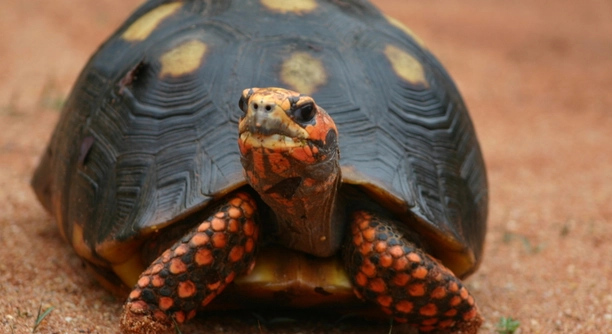
Red-footed tortoises are fascinating creatures, often admired for their vibrant colors and calm demeanor. Their interactions with other tortoises can reveal interesting behaviors. Understanding how these reptiles recognize one another provides insight into their social structure and communication.
Red-footed tortoises can indeed recognize other tortoises, especially those they interact with frequently. This recognition is primarily based on visual and olfactory cues, helping them identify familiar individuals within their environment.
By exploring the ways red-footed tortoises use their senses, we can gain a deeper understanding of their social dynamics and the role recognition plays in their lives.
How Do Red-Footed Tortoises Recognize Each Other?
Red-footed tortoises have a strong sense of individual recognition, relying on both visual and chemical cues to distinguish one another. When two tortoises encounter each other, they use their keen sense of smell to detect pheromones and other scent markers left behind by the other tortoise. This helps them form a mental image of familiar individuals. Over time, tortoises may even develop preferences for certain companions, which they remember through repeated interactions. Their slow pace and need for a consistent environment make this recognition process vital to their well-being.
Tortoises rely on visual cues too. Their sharp eyesight allows them to recognize shapes and colors. When interacting with others, they may use these visual markers to further differentiate between individuals.
Tortoises often have preferred areas where they like to spend time. When in the presence of other tortoises, they may recognize one another based on the environment they are in. The more frequent these encounters, the more they can rely on both their sight and smell for recognition.
The Role of Social Behavior
Recognition also plays a key role in the social behavior of red-footed tortoises. They may show signs of curiosity or even challenge another tortoise, but these behaviors are typically only directed at those they are familiar with. The familiarity of a particular tortoise helps ease potential conflicts. Without this recognition, tortoises might become overly defensive or aggressive when meeting others.
Tortoises, especially in captivity, are territorial and rely on recognition to help define boundaries. Their natural behavior shows that they are creatures of habit. They get used to the same companions and are less likely to engage in fights with those they recognize. These subtle social dynamics demonstrate how their sense of recognition extends beyond just survival—it’s crucial for maintaining peace and stability in their environment.
How Scent Helps in Recognition
Scent is one of the primary ways red-footed tortoises recognize each other. They have specialized glands that release chemicals, helping them mark their territory and communicate with other tortoises. These scents are detectable even from a distance and play a key role in identifying familiar individuals.
By picking up on these chemical signals, tortoises can easily tell whether they are approaching a companion or an unfamiliar tortoise. This scent-based recognition system is crucial because it reduces the chances of conflict between tortoises, as they can detect the presence of others long before a physical encounter happens. Their reliance on scent shows how important it is in maintaining a peaceful environment.
This method of identification also aids in the tortoises’ social behavior. They can track each other’s movements based on the scents left behind, allowing them to stay aware of where other tortoises are. Over time, this creates a stronger bond between individuals, as they are able to build a sense of familiarity with the presence of others through scent alone.
Visual Recognition and Its Importance
Though scent plays a significant role, visual recognition is also key for red-footed tortoises. They have sharp eyesight for their size and use it to help identify individuals from a distance. Tortoises can remember shapes, patterns, and specific features of other tortoises they interact with regularly.
They might recognize a familiar tortoise by its size, color patterns, and even behavior. For example, tortoises that live together may have distinct markings or sizes that make them easy to recognize visually. This is especially helpful in environments like the wild, where tortoises have to navigate around each other.
Even though tortoises may not be as visually oriented as some other animals, the ability to identify each other through sight adds a layer of complexity to their recognition system. It helps them distinguish between companions, rivals, and even possible mates. This ability shows how adaptable they are to their environment, relying on multiple senses to navigate their social interactions.
How Recognition Affects Their Behavior
Recognition influences how red-footed tortoises behave around one another. Familiar tortoises are less likely to show signs of aggression. Instead, they tend to be more relaxed and exhibit friendly behaviors. This reduces stress and creates a stable environment for the tortoises.
This recognition can lead to positive social interactions, like shared basking spots or communal feeding. When tortoises are able to recognize each other, they may form more stable groups. These interactions can strengthen bonds and help ensure a peaceful coexistence, benefiting their overall well-being.
Communication Through Body Language
Red-footed tortoises also communicate through body language, which helps reinforce their recognition of each other. They may move slowly around another tortoise or stand still, allowing time for the other to process their presence.
This body language serves as an additional layer to the recognition process. It helps convey their intentions, whether it’s simply passing by or engaging with a familiar tortoise. These movements are subtle but crucial in maintaining peaceful interactions and preventing misunderstandings.
Why Tortoises Need Recognition
Recognition helps red-footed tortoises avoid unnecessary conflict and aggression. With their slow movements, they rely on familiar scents and visuals to navigate their interactions with others. Recognizing individuals prevents misunderstandings and supports harmonious cohabitation. Without this recognition, tortoises might struggle to feel comfortable around each other.
FAQ
Can red-footed tortoises recognize humans?
Yes, red-footed tortoises can recognize humans. They mainly use their sense of sight and smell to identify people who interact with them regularly. If you are a familiar person to the tortoise, it will likely respond to you more calmly and may even approach you. However, they don’t form deep bonds like pets such as dogs, and their recognition is more linked to consistency and routine. For example, they will recognize the person who feeds them regularly and might even respond to that person by moving toward them.
Do red-footed tortoises have a memory of other tortoises?
Yes, red-footed tortoises can remember other tortoises they interact with. They use both scent and visual cues to remember familiar individuals. If a tortoise sees or smells another it has met before, it will likely recognize it and act accordingly. Their memory is not as complex as humans’, but it is strong enough for them to remember other tortoises, especially those they interact with frequently in a shared space or habitat. This helps reduce conflicts and ensures smoother social interactions.
How does a red-footed tortoise use smell to recognize others?
Red-footed tortoises have a well-developed sense of smell. They rely on chemicals or pheromones that are left behind by other tortoises to recognize them. These scent markers can indicate the presence of a familiar tortoise and help establish territory or social boundaries. When tortoises encounter each other, they can pick up these scent markers from the environment, and this helps them identify whether they are meeting a known companion or an unfamiliar individual. Smell helps tortoises avoid unnecessary fights and promotes peaceful interactions.
How can I tell if a tortoise recognizes me?
If a tortoise recognizes you, it will likely approach you more calmly than if it were a stranger. It may also react differently when it hears your voice or sees you compared to how it responds to other people. Familiarity can also cause the tortoise to exhibit more relaxed behaviors, like moving toward you for food or basking in your presence. Over time, tortoises become familiar with their caregivers and will recognize them as a regular part of their routine. However, every tortoise is different, so some may be more responsive than others.
Do tortoises remember each other after a long time?
Red-footed tortoises do have the ability to remember other tortoises for a period of time, but how long this memory lasts can depend on the frequency of their interactions. If tortoises are separated for an extended period, it’s possible that they may forget each other or at least not recognize each other as easily. However, tortoises tend to be creatures of habit, and if they are reintroduced into the same environment after a long time, they may still recognize familiar scents or visual markers. It’s a matter of consistency in their interactions.
Can tortoises identify each other by their shells?
Yes, red-footed tortoises can recognize each other by their shells, though they rely more on scent and body language. The shape, size, and color patterns on the shell may serve as a visual cue to distinguish one tortoise from another. Tortoises have sharp eyesight, which helps them identify each other from a distance, especially when they are familiar. Though their recognition is mainly scent-based, their shell features still play a role in their ability to identify and remember one another, especially in environments where they see each other often.
How important is recognition in a tortoise’s social life?
Recognition is vital in a red-footed tortoise’s social interactions. By recognizing other tortoises, they can establish a more peaceful and less stressful environment. Recognition helps tortoises avoid unnecessary aggression or territorial disputes, allowing them to live in harmony with others. It also helps them identify potential mates, avoid competitors, and form stable social groups. Without recognition, there could be confusion, stress, and more frequent conflicts, which can affect their health and behavior. This ability to identify and remember individuals is essential for maintaining a healthy, balanced social life in the wild or in captivity.
Do red-footed tortoises have a preference for certain companions?
Yes, red-footed tortoises can develop preferences for certain companions. This is especially true if they interact with specific tortoises regularly. They may form bonds with other tortoises they are housed with or frequently encounter, and these interactions may lead to less aggression and a more stable social dynamic. Over time, familiar tortoises may be seen as less threatening, and they may engage in more relaxed behaviors, like sharing basking spots or eating near each other. However, each tortoise is different, and preferences can vary based on individual temperament and experiences.
Can red-footed tortoises recognize other animals, like pets or other reptiles?
Red-footed tortoises are capable of recognizing other animals, especially if they share space with them. However, their recognition is likely less complex when it comes to animals other than tortoises. They can recognize the presence of other pets or reptiles through sight and smell, but they don’t form the same social bonds or recognition patterns with these animals as they do with fellow tortoises. Tortoises may become accustomed to the presence of other animals over time, but their ability to remember and recognize them is not as strong as with other tortoises.
How do tortoises communicate without making noise?
Tortoises communicate primarily through body language, visual cues, and scents. They may use slow movements, postures, or specific gestures to communicate with others. For example, a tortoise may stretch its neck or raise its head to display interest or to assert its presence. They also leave scent trails that others can follow, which can signal territory, mating availability, or social intentions. Even without vocalizations, these non-verbal forms of communication are essential for maintaining social order and preventing misunderstandings. This makes their interactions subtle but effective.
Final Thoughts
Red-footed tortoises have unique ways of recognizing and interacting with each other. Their ability to identify familiar individuals through scent, sight, and even body language is crucial for their social behavior. By using these senses, they can avoid unnecessary conflict and ensure peaceful coexistence with others. Whether in the wild or in captivity, recognition plays an important role in how they navigate their environment and relationships. The recognition process isn’t just about survival but also about maintaining a stable and stress-free environment for the tortoises.
Despite their slow movements and quiet nature, tortoises are far from simple creatures when it comes to their social interactions. They use a combination of visual and olfactory cues to make sense of their surroundings and recognize the individuals around them. These interactions can be as complex as any social structure in the animal kingdom, with tortoises having preferences for certain companions and forming bonds through repeated contact. Over time, this recognition helps them avoid aggression and form more peaceful relationships with those they share their habitat with.
Understanding how red-footed tortoises recognize each other highlights just how adaptable and intelligent these reptiles can be. They rely on their senses to navigate the world, maintain harmony, and ensure they are comfortable in their environment. By recognizing one another, they can prevent unnecessary stress and live together in a more balanced way. While their methods of recognition may seem simple, they are essential to their survival and overall well-being. For anyone caring for a red-footed tortoise, it’s clear that fostering a consistent and familiar environment can help them thrive.

Hello,
If you enjoy the content that we create, please consider saying a "Thank You!" by leaving a tip.
Every little bit helps us continue crafting quality advice that supports the health, happiness, and well-being of pets around the world, for pets of all shapes, sizes, and species.
We really appreciate the kindness and support that you show us!