
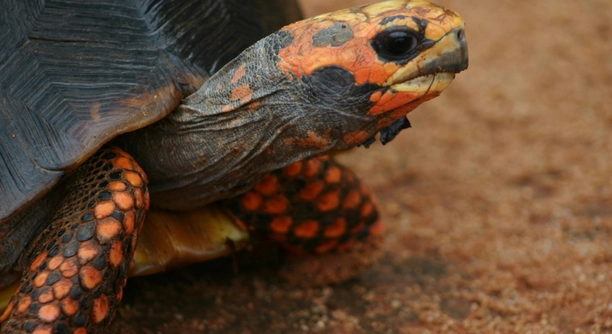
Red-footed tortoises are fascinating creatures, often kept as pets for their docile nature. You might wonder if they enjoy swimming or if it’s something they can even do naturally.
Red-footed tortoises are not natural swimmers, but they are capable of floating and paddling in shallow water for short periods. They prefer dry, land-based environments, although they do enjoy occasional soaks in water to stay hydrated.
These tortoises have specific needs when it comes to water exposure, and understanding them will help keep your pet happy and healthy.
Red-Footed Tortoises’ Natural Habitat
Red-footed tortoises are native to tropical regions in South America, primarily in countries like Brazil and Venezuela. These tortoises thrive in warm, humid environments with access to both dry land and occasional water sources. They often live in forests or savannahs, where they can find ample vegetation, which is their main food source. Though they are accustomed to wet conditions, they don’t spend a lot of time submerged in water like some other turtle species. They’re more likely to take a soak or wander near shallow pools rather than swim for extended periods.
Their habitat choices emphasize the importance of a balanced environment with plenty of space for both land and water. Providing a suitable area for your pet is key to maintaining their health and well-being.
In captivity, it’s important to recreate these conditions. A mix of dry spots for basking and moist areas for hydration will help your tortoise feel at home. Additionally, a shallow water dish is enough for them to soak and drink when needed.
Can Red-Footed Tortoises Live in Water?
Red-footed tortoises prefer being on land but can live in environments where water is available for short periods. They do not require large amounts of water or aquatic habitats to thrive.
Tortoises of this species are land-dwelling reptiles, which means they need more dry space than aquatic turtles. Still, they can occasionally be found near shallow pools or marshes. While they can float and paddle, this is usually limited to cooling off or drinking. Their bodies aren’t designed for swimming long distances, so they don’t use water as a primary habitat. In fact, too much water exposure can actually stress them out and lead to health problems.
By keeping them in a terrarium with a water dish for soaking, you’ll mimic their natural environment. A water source helps with hydration and provides a place for them to cool off, but it shouldn’t be deep enough for them to attempt swimming frequently. This ensures they are comfortable while staying true to their instincts as land-dwellers.
Why Red-Footed Tortoises Don’t Swim Often
Red-footed tortoises are not built for swimming. They have heavier bodies and short legs that aren’t designed for paddling through water. While they can float and maneuver in shallow water for short periods, it’s not their natural behavior. Spending too much time in the water can cause stress and health issues for them.
They don’t have the webbed feet or streamlined bodies that other aquatic reptiles, like turtles or sea turtles, use to swim. Instead, they are adapted to move slowly and steadily across land, where they can forage for food and bask in the sun. Water exposure should be limited.
Red-footed tortoises prefer to stay on solid ground, especially where they can dig and burrow if needed. Even in their natural environment, they rarely stay in water for long. The occasional soak is sufficient to keep them hydrated and cool. Allowing them to swim for too long can disrupt their natural behavior and cause stress.
Best Ways to Provide Water for Your Tortoise
You don’t need a large pool for your red-footed tortoise to stay healthy. A shallow water dish is all they need. This will allow them to soak and drink when they want to, without the risk of getting overwhelmed or stressed by deep water. It’s important to change the water frequently to keep it clean.
Providing water in this way mimics the environment they would encounter in the wild. In their natural habitat, they come across small pools, streams, and other shallow water sources, where they can take a quick dip and drink. The key is moderation—keeping the water shallow ensures that your tortoise can safely enter and exit when they need to.
Be mindful of the water’s depth and cleanliness. Dirty water can lead to health issues, and a dish that’s too deep might make your tortoise uncomfortable or cause them to try swimming more than they should. A shallow, easily accessible water dish that is cleaned regularly will keep your tortoise happy.
Red-Footed Tortoises and Water Temperature
Water temperature is crucial for red-footed tortoises. If the water is too cold, it can lower their body temperature and make them sick. It’s best to keep the water lukewarm, around 75°F to 85°F, to keep your tortoise comfortable and avoid any health problems.
Water that is too hot can also cause issues. It might overheat your tortoise and cause stress. Always check the water temperature before letting your tortoise soak. Lukewarm water will provide the hydration they need while also ensuring their health stays in check. Keeping the water at a proper temperature is key to their well-being.
How to Set Up a Proper Habitat
A well-maintained habitat is important for your tortoise’s overall health. Create a balance between dry land and water. The dry areas should have places to hide, bask, and roam, while the water area should be shallow enough to provide a quick soak. Make sure there are no areas where the tortoise can get stuck or fall into deep water.
Additionally, include hiding spots and some plants for them to explore. Keeping your pet’s environment varied and stimulating will make it feel more natural and less stressful. You can use a mix of natural materials like wood and rocks to enhance their space.
How Long Should a Red-Footed Tortoise Be in Water?
Red-footed tortoises should only be in the water for short periods. A soak of 10 to 20 minutes is enough to allow them to hydrate or cool off without causing stress. The focus should always be on limiting their water exposure.
FAQ
Can red-footed tortoises swim in deep water?
Red-footed tortoises are not suited for swimming in deep water. Their bodies are heavier, and their legs are not designed for swimming like those of aquatic turtles. They can float and paddle in shallow water for short periods, but deep water poses a risk. If they are in water that is too deep, they might struggle to get out, leading to stress or injury. Always ensure that the water available to them is shallow, just enough for them to soak or drink.
How often should I allow my red-footed tortoise to soak in water?
You should let your red-footed tortoise soak in water once every few days, or whenever it seems they need it. Tortoises don’t need frequent water exposure like aquatic turtles, but occasional soaks are important for hydration and keeping their skin healthy. Around 10 to 20 minutes is usually sufficient. Just make sure the water is clean and the right temperature, between 75°F and 85°F.
What kind of water container is best for a red-footed tortoise?
A shallow, wide container works best for red-footed tortoises. It should be large enough for them to climb into comfortably but not so deep that they risk becoming trapped. You can use a shallow dish or a small, low-sided plastic tub. Be sure to clean it regularly to avoid any bacterial buildup. The water level should be just enough to allow them to soak their legs and lower body without submerging their entire shell.
Do red-footed tortoises need water for hydration?
Yes, red-footed tortoises need water for hydration. In their natural habitat, they often drink from shallow pools or rainwater puddles. It’s important to provide fresh water daily for your tortoise. While they get some moisture from their food, especially fruits and vegetables, they still need access to water for drinking and occasional soaking. Make sure to offer clean water in a shallow dish that they can easily access.
Can I use tap water for my tortoise’s water dish?
Tap water is generally safe for red-footed tortoises, but it’s important to make sure the water is not heavily chlorinated. Chlorine can be harmful to reptiles over time. If you’re concerned about the chemicals in your tap water, you can let the water sit for 24 hours to allow the chlorine to dissipate, or you can use filtered or dechlorinated water.
Can red-footed tortoises stay in the water for long periods of time?
No, red-footed tortoises should not stay in water for long periods. Long exposure to water can cause stress and might lead to skin problems. In the wild, they typically only enter water to drink, cool off, or soak for short durations. Too much water exposure can make them feel unsafe and disrupt their natural behaviors. A short soak of about 10 to 20 minutes is all they need.
How do I keep my red-footed tortoise hydrated if it refuses to drink water?
If your tortoise is refusing to drink water, try soaking it in a shallow dish for a short time. This allows the tortoise to hydrate through its skin and absorb moisture. You can also offer water-rich foods like cucumbers or leafy greens to help with hydration. If the refusal to drink continues, make sure the environment is warm enough, as temperature affects hydration. If hydration issues persist, consult a vet.
Is it okay to bathe a red-footed tortoise in water?
Yes, it’s okay to bathe a red-footed tortoise in water. A bath can help with hydration and also give the tortoise a chance to relieve itself. However, the water should be shallow, and the temperature should be warm, not hot or cold. Limit the bath to around 10 to 15 minutes to prevent stress. You can also add a few drops of reptile-safe disinfectant to the water to keep it clean, but make sure to rinse the tortoise thoroughly afterward.
Can red-footed tortoises drown?
While red-footed tortoises are capable of floating and paddling in water, they can drown if the water is too deep or if they get trapped. It’s crucial to never leave them in deep water where they can’t easily climb out. Always provide a shallow water source that allows them to safely soak and drink, but not swim for long periods. Proper habitat setup will prevent the risk of drowning.
What are signs that my red-footed tortoise is stressed by water exposure?
Signs of stress in red-footed tortoises due to water exposure include excessive thrashing, attempting to escape from the water, or staying in the water for too long. If your tortoise is trying to climb out of the water, it’s likely feeling stressed. They might also appear lethargic or anxious. If you notice these signs, remove your tortoise from the water and allow it to dry in a warm, comfortable place.
Final Thoughts
Red-footed tortoises are unique creatures that require careful attention to their habitat and care needs. While they can tolerate brief exposure to water, they are not built for swimming and prefer dry land. Providing them with a shallow water dish for hydration and occasional soaking is the best way to keep them healthy. Water temperature, cleanliness, and the right depth are all important factors to consider when setting up their environment. Too much water can cause stress and affect their well-being, so it’s essential to monitor their exposure closely.
In their natural habitat, red-footed tortoises are used to living in warm, tropical environments with access to both land and shallow water. They don’t swim in deep water like some other turtle species, as their bodies and legs aren’t designed for such activity. Instead, they prefer to stay on solid ground, foraging for food and basking in the sun. To mimic this, their living space should offer plenty of dry land and only small, shallow water sources for occasional hydration. This setup will help them feel more comfortable and maintain their natural behavior.
Understanding the needs of red-footed tortoises when it comes to water exposure is key to their care. They are not aquatic animals, and their physical characteristics reflect this. Keeping their water intake limited to short soaks is the best practice for maintaining their health. By ensuring that they have access to fresh, clean water at the right temperature and in the right amounts, you can help your tortoise stay hydrated and comfortable. Proper care and attention to their environment will ensure that your red-footed tortoise leads a happy and healthy life.

Hello,
If you enjoy the content that we create, please consider saying a "Thank You!" by leaving a tip.
Every little bit helps us continue crafting quality advice that supports the health, happiness, and well-being of pets around the world, for pets of all shapes, sizes, and species.
We really appreciate the kindness and support that you show us!