
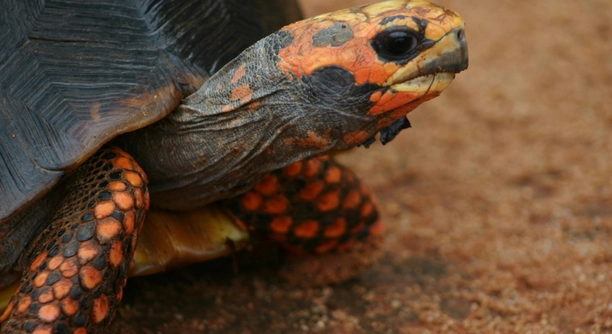
Shell fungus can be a common issue for red-footed tortoises, and recognizing it early is crucial for their well-being. Knowing how to identify this condition can help prevent further harm and ensure proper care for your tortoise.
Shell fungus in red-footed tortoises is typically identified by a soft, discolored area on the shell that may appear yellow, white, or brown. It often leads to a rough texture, and in severe cases, it can cause shell deformities and infections.
Properly identifying and treating shell fungus is essential to maintaining a healthy tortoise. Learn how to spot the early signs and address the problem before it becomes serious.
What Is Shell Fungus?
Shell fungus is a fungal infection that affects red-footed tortoises, often leading to spots or patches on their shells. This condition can be caused by poor environmental conditions, including high humidity or wetness, as well as poor diet. It can appear as yellow, white, or brown areas that become soft or mushy to the touch. If left untreated, the fungus can eat away at the shell, causing further damage to the tortoise’s health. Identifying it early is key to preventing long-term problems.
Although the fungus may seem harmless initially, it can worsen rapidly if not addressed. Red-footed tortoises are especially vulnerable if their living space isn’t cleaned properly or if the conditions are too damp. It’s important to keep an eye on any changes in the shell and act quickly at the first sign of infection. Regular health checks and proper maintenance of their habitat can significantly reduce the risk of shell fungus.
Maintaining a clean, dry habitat and providing the right nutrition are crucial in preventing shell fungus. This way, you help your tortoise avoid discomfort and the need for more complicated treatments.
Identifying Early Signs
The first signs of shell fungus can be hard to notice. Early symptoms may appear as slight discoloration or soft patches. These areas can gradually spread, making the shell look unhealthy.
If left untreated, the infection can worsen and cause severe damage. This is why it is important to check your tortoise regularly. If you notice any changes, it’s best to act quickly to prevent further harm.
Causes of Shell Fungus
Shell fungus often occurs due to poor living conditions, such as high humidity, wet environments, or inadequate ventilation. Tortoises that live in damp habitats without proper drying out or those housed in overly wet bedding are at higher risk. Poor diet can also weaken the immune system, making it easier for the fungus to take hold.
Keeping the habitat clean and dry is essential in preventing the growth of fungus. Red-footed tortoises need a balanced diet, including enough fiber and calcium, to strengthen their immune system. Regularly cleaning their living space will help prevent moisture buildup, reducing the chances of infection. Additionally, controlling humidity levels in their enclosure is important for maintaining a healthy shell.
Shell fungus can also appear if a tortoise is kept in an environment with improper lighting. UVB light is crucial for their overall health, and without it, their shells may become weaker and more susceptible to fungal infections. A proper setup can help keep fungus at bay.
Treatment Options
Once shell fungus is identified, treatment can vary depending on the severity of the infection. Mild cases may be treated with topical antifungal creams or powders, which are available at pet stores or online. For more severe cases, veterinary care may be needed to prevent further damage to the shell.
To treat mild infections, gently clean the affected area with warm water and a soft brush, removing any dirt or debris. After cleaning, apply the antifungal treatment as directed. Be sure to follow the instructions carefully and monitor your tortoise’s progress. If symptoms persist or worsen, seek help from a veterinarian.
Prevention Tips
To prevent shell fungus, maintaining a dry, clean environment is key. Ensure proper ventilation and keep humidity levels at an appropriate range for red-footed tortoises. Clean the habitat regularly, removing any damp bedding, and provide enough space for your tortoise to roam and bask in a dry area.
Another important factor in prevention is diet. Offering a varied and balanced diet rich in essential nutrients, such as calcium and fiber, will help keep your tortoise’s immune system strong. Regularly inspect your tortoise for early signs of fungal infection, so you can address any issues before they worsen.
The Role of Sunlight
Sunlight, particularly UVB light, plays an essential role in your tortoise’s overall health. Without proper exposure, their shell may become weak and more vulnerable to fungal infections. UVB light helps them metabolize calcium, which strengthens their shell and bones. Providing access to natural sunlight or UVB bulbs is important.
When to See a Vet
If the fungus spreads or worsens despite home treatment, it’s time to visit a vet. A vet can offer more specialized treatments, such as antifungal injections or oral medications, and assess whether there’s underlying damage to the shell that needs attention.
FAQ
How can I tell if my tortoise has shell fungus?
The earliest signs of shell fungus are soft, discolored patches that may appear yellow, white, or brown. These patches may be slightly raised or have a rough texture. If you gently press on the affected area, it may feel soft or spongy. In more advanced cases, the infection can cause the shell to become flaky or cracked. Regularly checking your tortoise’s shell for any changes can help you spot the fungus early before it spreads further.
Can shell fungus spread to other tortoises?
Yes, shell fungus can spread from one tortoise to another if they share the same habitat or equipment, like water dishes or basking spots. If you notice shell fungus on one tortoise, it’s essential to isolate it from the others to prevent further contamination. Clean all surfaces and equipment thoroughly and disinfect them before allowing other tortoises to use them again. Regular quarantine periods for new arrivals can also help reduce the risk of spreading the infection.
What are the risks if I don’t treat shell fungus?
If left untreated, shell fungus can severely damage a tortoise’s shell. Over time, the fungus can eat away at the shell’s layers, leading to deformities, soft spots, or permanent damage. In some cases, untreated fungus can even enter the tortoise’s body, causing internal infections that may require more intensive medical treatment. Early intervention is crucial to prevent these serious complications.
Can shell fungus affect my tortoise’s health beyond the shell?
While shell fungus mainly targets the outer shell, it can also weaken your tortoise’s immune system. A compromised shell means the tortoise may be more vulnerable to other infections or health issues. If the infection spreads to other parts of the body, it could potentially lead to more serious complications. That’s why it’s important to treat the fungus as soon as possible and provide proper care to prevent further problems.
How often should I check for shell fungus?
It’s a good idea to check your tortoise’s shell at least once a week for any signs of fungal growth. Frequent inspection helps catch any early changes before they become bigger problems. If your tortoise lives in a particularly humid environment or has been exposed to conditions that promote fungal growth, you may want to check more often. Regular shell checks, along with monitoring its behavior and overall health, are essential in keeping your tortoise safe from infections.
What should I do if the fungus doesn’t go away?
If the fungus does not improve after using over-the-counter treatments, it may be time to see a veterinarian. A vet can help diagnose the severity of the infection and may recommend more effective treatment options, such as antifungal injections or oral medication. In some cases, the infection may be deeper than it seems, requiring professional intervention. Don’t delay in seeking help if at-home treatments aren’t working.
Can I prevent shell fungus from happening?
Prevention is the best approach when it comes to shell fungus. Maintain a clean, dry environment with proper ventilation to avoid excessive humidity. Make sure your tortoise has access to natural sunlight or UVB light, which is essential for their health. Keep their habitat free of standing water and provide them with a balanced diet to strengthen their immune system. Regular health checks will also help catch any potential issues early.
Are there natural remedies for shell fungus?
Some natural remedies, such as applying diluted apple cider vinegar or tea tree oil to the affected areas, are sometimes suggested. However, these treatments may not be as effective as antifungal medications specifically made for reptiles. While natural remedies can help in mild cases, it’s always better to consult a veterinarian for the best course of action, especially if the fungus is persistent or spreading.
Can shell fungus return after treatment?
Yes, shell fungus can return if the environmental conditions that caused it in the first place aren’t addressed. If the humidity remains too high or the living conditions are damp, the fungus may reappear. To prevent this, ensure your tortoise’s habitat is kept clean, dry, and well-ventilated. Regular maintenance, including proper lighting, diet, and hygiene, will help minimize the chances of recurrence.
Is it possible for my tortoise to live with shell fungus long-term?
While a tortoise can live with shell fungus for a while, it’s not ideal for their health. Prolonged exposure to the fungus can lead to permanent shell damage, which can affect their mobility and overall health. Even if the fungus doesn’t seem to cause immediate harm, it’s important to treat it promptly to prevent it from worsening and to ensure your tortoise remains healthy and happy for years to come.
Final Thoughts
Shell fungus in red-footed tortoises is a serious condition that requires early detection and proper treatment. It is crucial to understand the signs of infection, such as discolored patches on the shell, to catch the problem before it worsens. If treated quickly, mild cases can be addressed with antifungal creams or powders, while more severe infections may require veterinary intervention. Regular checks of your tortoise’s shell can make all the difference in managing this issue and preventing further complications.
The environment plays a major role in the development of shell fungus. A clean, dry habitat with proper ventilation and controlled humidity is essential for keeping your tortoise healthy. Wet conditions, poor lighting, and improper care can weaken their immune system, making them more susceptible to infections like shell fungus. Additionally, providing your tortoise with a balanced diet full of nutrients will help strengthen their shell and overall health, allowing them to better resist fungal infections. By ensuring proper living conditions, you can significantly reduce the risk of shell fungus and other related health problems.
Prevention is always better than cure when it comes to shell fungus. Maintaining a routine of regular health checks, a balanced diet, and proper care can keep your tortoise happy and healthy. If you notice any changes in their shell or behavior, it’s important to act quickly to address the issue. While shell fungus is treatable, ongoing prevention and vigilance are key to ensuring your tortoise leads a long and healthy life.

Hello,
If you enjoy the content that we create, please consider saying a "Thank You!" by leaving a tip.
Every little bit helps us continue crafting quality advice that supports the health, happiness, and well-being of pets around the world, for pets of all shapes, sizes, and species.
We really appreciate the kindness and support that you show us!