
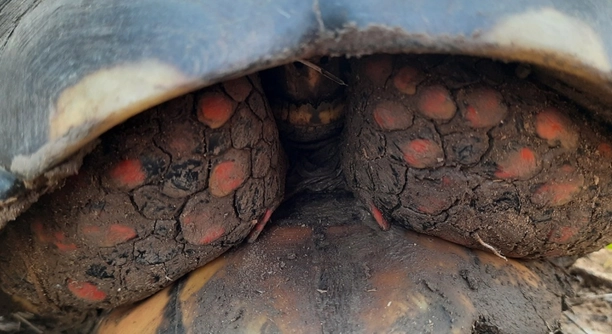
A red-footed tortoise is a fascinating and unique pet, often chosen for its distinct appearance and relatively easy care. However, before bringing one home, there are some important factors to keep in mind.
Before adopting a red-footed tortoise, it’s essential to consider factors such as its diet, habitat requirements, and lifespan. These tortoises need ample space, a warm environment, and a proper diet to thrive and avoid health issues.
Understanding these key factors ensures you provide a comfortable home for your red-footed tortoise. Proper preparation will allow for a long and healthy life for your new companion.
Habitat Requirements for a Red-Footed Tortoise
Red-footed tortoises thrive in warm and humid environments, so it’s crucial to recreate their natural habitat as closely as possible. They are native to tropical areas, so they need an enclosure that maintains temperatures between 75 and 85°F. It’s important to provide both a basking spot and a shaded area for your tortoise to regulate its body temperature. The enclosure should also have plenty of space for the tortoise to roam. A minimum of 40 square feet is ideal for one tortoise, but the more space, the better.
You can create a suitable habitat using a large, secure outdoor enclosure or a spacious indoor terrarium. Substrate options include coconut coir, cypress mulch, or soil, which will help maintain humidity. Red-footed tortoises also appreciate hiding spots, such as logs or plants, to feel secure. Always make sure your enclosure is escape-proof since tortoises are skilled at finding ways to escape.
Providing a proper habitat isn’t just about space and temperature—it’s also about creating an environment that makes the tortoise feel comfortable and safe. A suitable habitat ensures your tortoise remains healthy and active.
The Importance of Diet
A balanced diet is essential for red-footed tortoises to stay healthy. They are primarily herbivores, but they will also eat insects and carrion in the wild. A varied diet that includes leafy greens, fruits, and vegetables is necessary for their nutrition.
The right diet prevents common health issues such as shell deformities and poor growth. Some foods they enjoy are hibiscus flowers, dandelion greens, and papaya. It’s also important to provide calcium-rich foods and occasional protein sources. Red-footed tortoises will benefit from a well-rounded diet that mimics what they would eat in the wild.
Understanding their dietary needs helps you provide the best nutrition for your tortoise. Offering a variety of food ensures it stays healthy and avoids any nutritional deficiencies.
Lifespan and Longevity
Red-footed tortoises can live for 50 years or more when properly cared for. Their long lifespan means they can be a companion for decades, making it crucial to plan for their care over the long term. It’s essential to think about how your lifestyle might change over the years.
Ensuring their long-term health includes proper housing, diet, and regular vet checkups. The longer they live, the more important it becomes to adapt their habitat to their needs. As they age, tortoises may need additional care, such as extra warmth during colder months or specific dietary adjustments.
A long lifespan also means that you should consider what will happen to the tortoise if your circumstances change. Having a clear plan for the future can prevent issues and help maintain their quality of life.
Socialization and Behavior
Red-footed tortoises are generally solitary animals and do not require constant interaction. However, they can become accustomed to their owner’s presence and may show curiosity. They often recognize their caretakers and will interact more as they become familiar with their routine.
While they don’t form bonds like pets such as dogs or cats, red-footed tortoises do appreciate a consistent environment. If they are handled gently, they may enjoy being around you but should not be forced into social interactions. Handling them too much or too roughly can cause stress. They prefer to be left to explore their environment at their own pace.
Their behavior can also depend on their environment. A comfortable habitat encourages natural behaviors, such as basking, foraging, and resting. Understanding their natural instincts will help you provide the best environment for them.
Health Concerns to Watch For
Red-footed tortoises are prone to certain health issues, including respiratory infections, shell rot, and parasites. Maintaining proper humidity and temperature in their habitat is key to preventing these issues. Regular vet visits will help catch problems early and keep your tortoise healthy.
Signs of health issues include wheezing, swelling, and a lack of appetite. If you notice any of these, it’s important to seek veterinary care right away. Regularly cleaning the enclosure and providing the right diet can prevent many common health problems.
Exercise and Space Needs
These tortoises need plenty of space to roam. A small enclosure will stress them out and impact their health. They require room to stretch their legs and explore.
In the wild, they are active and forage for food, so giving them a large area with places to explore will keep them physically and mentally stimulated. A spacious outdoor enclosure is ideal, but an indoor habitat should still allow for movement.
The Cost of Caring for a Red-Footed Tortoise
Owning a red-footed tortoise can be costly. Initial setup for their habitat, including an enclosure, heating, and lighting, can be expensive. Their food also adds to the cost, as they require a variety of fresh produce and occasional supplements.
FAQ
How big does a red-footed tortoise get?
Red-footed tortoises can grow up to 16–18 inches in length and weigh between 10–20 pounds. Their size depends on genetics, diet, and habitat. It’s important to provide enough space for them to move around freely, even as they reach their full size.
How do I create the right habitat for a red-footed tortoise?
To create a suitable habitat, you need to mimic the tortoise’s natural tropical environment. The enclosure should have both a basking spot and a cooler area for temperature regulation. Ensure the temperature stays between 75°F and 85°F, with humidity around 70–80%. Substrate should retain moisture, like coconut coir or cypress mulch. Provide hiding spots to help your tortoise feel safe.
What do red-footed tortoises eat?
Red-footed tortoises are primarily herbivores. Their diet includes a variety of leafy greens like dandelion greens, collard greens, and mustard greens. Fruits such as papaya, mango, and strawberries are also suitable in moderation. You can occasionally add flowers like hibiscus, as well as some high-calcium foods to prevent shell issues. Be sure to avoid feeding them high-fat or high-protein foods like meat.
How often should I feed a red-footed tortoise?
Young red-footed tortoises should be fed daily to support their growth. Adult tortoises can be fed every other day. Their diet should consist of fresh fruits, vegetables, and leafy greens, with some occasional supplements like calcium. Avoid overfeeding, as obesity can lead to health problems.
Do red-footed tortoises need supplements?
Yes, they need calcium supplements to support healthy shell growth. You can dust their food with calcium powder or offer cuttlebone. Some tortoises also benefit from a vitamin D3 supplement, especially if they don’t get enough natural sunlight. Consult your vet about proper supplementation.
Can red-footed tortoises live together?
While red-footed tortoises are generally solitary, they can live together if their habitat is large enough. However, it’s important to monitor for signs of aggression, especially during feeding times. Males are more likely to fight, so it’s best to keep them separately unless you have a very spacious enclosure.
How do I know if my red-footed tortoise is sick?
Common signs of illness in red-footed tortoises include loss of appetite, lethargy, wheezing, nasal discharge, swollen eyes, or abnormal behavior. Shell rot, caused by improper humidity levels, may also be visible. If you notice any of these signs, it’s important to consult a veterinarian.
What temperature should my red-footed tortoise’s habitat be?
The temperature should be maintained between 75°F and 85°F during the day. The basking area should be warmer, around 90°F. At night, temperatures can drop slightly, but it shouldn’t fall below 70°F. A temperature gradient in the enclosure allows the tortoise to regulate its body temperature.
How can I ensure my red-footed tortoise stays hydrated?
Provide a shallow water dish large enough for your tortoise to drink from and soak in. Red-footed tortoises will drink water as needed, especially in warmer temperatures. Make sure the water is changed daily to prevent bacterial growth. Additionally, misting the enclosure will help maintain proper humidity levels.
How do I handle a red-footed tortoise?
When handling a red-footed tortoise, be gentle. Always support their body, never picking them up by their shell. Hold them carefully from the sides, not from their legs. Allow them to explore their surroundings, and don’t force them into situations that might cause stress.
What kind of light do red-footed tortoises need?
Red-footed tortoises need UVB lighting to help them synthesize vitamin D3, which is essential for calcium absorption. Provide a UVB light source in their enclosure, and make sure it covers a large portion of the habitat. A basking light should also be used to create the right temperature gradient.
Can red-footed tortoises live outside?
Yes, red-footed tortoises can live outdoors if the climate is suitable. However, they need a secure, sheltered area to protect them from predators and extreme weather. If you live in a warm climate, an outdoor enclosure with plenty of hiding spots and safe areas for basking can be ideal.
Do red-footed tortoises hibernate?
Unlike some other tortoise species, red-footed tortoises do not hibernate. However, they may go into a period of dormancy if the temperature drops too low. This is more common in colder climates where they may become less active during winter. Always monitor their environment to ensure they remain active and healthy.
How can I tell if my red-footed tortoise is too hot or too cold?
If your tortoise is too hot, it may seek cooler areas of the habitat, rest more than usual, or show signs of distress such as rapid breathing. If it’s too cold, the tortoise may become lethargic, hide for long periods, or refuse food. Make sure the temperature is consistent with their needs.
Final Thoughts
Caring for a red-footed tortoise can be a rewarding experience. These tortoises are relatively easy to care for once their basic needs are met, such as a spacious habitat, proper lighting, and a balanced diet. Their gentle and slow-moving nature makes them a unique and fascinating pet. However, it’s important to understand that they are long-lived animals, often living for several decades, which means owning one is a long-term commitment. Before getting a red-footed tortoise, consider whether you’re ready for the responsibility of their care and the time required to keep them healthy.
Their habitat requirements are key to keeping them happy and healthy. You must maintain a warm and humid environment, along with enough space for them to move freely. Providing fresh, varied food, and keeping their enclosure clean are also essential for their well-being. Without the right environment, they can suffer from health issues like respiratory infections or shell rot. Regular veterinary checkups will help catch any problems early and ensure their long-term health. It’s also crucial to understand their social behavior and how to handle them properly, as they can become stressed if their environment or treatment is not ideal.
While red-footed tortoises can be great companions, they require consistent care and attention. Make sure you’re prepared for the investment in both time and money for their habitat, food, and health needs. By providing them with the right care, you can enjoy a long-lasting and rewarding relationship with these wonderful reptiles. They offer a sense of calm and beauty as they move through their world, and with the right setup, they can thrive and bring you joy for many years to come.

Hello,
If you enjoy the content that we create, please consider saying a "Thank You!" by leaving a tip.
Every little bit helps us continue crafting quality advice that supports the health, happiness, and well-being of pets around the world, for pets of all shapes, sizes, and species.
We really appreciate the kindness and support that you show us!