
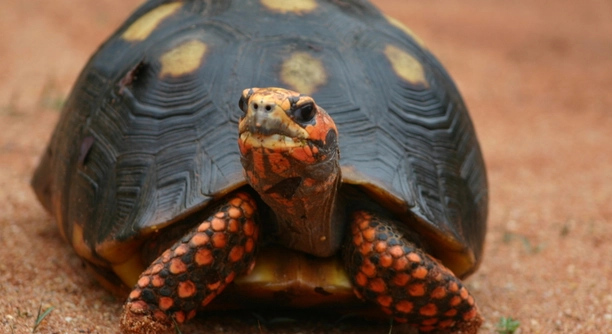
When raising red-footed tortoise hatchlings, choosing the right substrate is key to their comfort and health. The right bedding can ensure they feel secure and help replicate their natural environment.
The best substrates for red-footed tortoise hatchlings are those that retain moisture, support burrowing, and promote proper humidity. Substrates like coconut coir, cypress mulch, and sphagnum moss are ideal for these needs.
There are several options for substrates that cater to their specific needs. Understanding their behavior and environment is essential when selecting the perfect bedding for their well-being.
Choosing the Right Substrate for Red-Footed Tortoise Hatchlings
Selecting the correct substrate is crucial for the well-being of red-footed tortoise hatchlings. It should provide proper moisture retention, support natural behaviors, and be safe for them to interact with. Substrates that maintain humidity help in keeping their skin healthy and support proper digestion. Hatchlings are sensitive to extreme environmental changes, so picking a substrate that stabilizes temperature and moisture can make a big difference in their growth. Using materials like coconut coir, cypress mulch, and sphagnum moss is highly recommended as they can offer the right balance of moisture and aeration. Avoid substrates that are too dusty or contain harmful chemicals.
These types of substrates also allow hatchlings to burrow, helping them feel secure in their environment. Without this, they may become stressed or inactive. Also, they help in providing a more natural habitat, which is beneficial for their overall development.
Coconut coir is one of the top choices for red-footed tortoises. It retains moisture very well, ensuring that the hatchlings’ humidity needs are met. Coconut coir is soft, easy to clean, and doesn’t contain any harmful additives, which makes it a safe choice for their habitat. It also provides a good substrate for burrowing, which is important for your tortoise’s natural behaviors.
Other Substrate Options to Consider
If you’re looking for alternatives, there are a few other substrates worth considering. Cypress mulch, for example, is another great option for red-footed tortoises.
Cypress mulch offers a natural, organic feel and also provides excellent moisture retention, making it ideal for maintaining proper humidity levels. It’s safe for tortoises and will not irritate their skin. However, it can be a bit more difficult to clean compared to coconut coir. While it’s effective at keeping the environment humid, its tendency to break down more quickly means it may need to be replaced sooner. It is still a great choice if you prefer natural materials that help maintain a warm, humid habitat. As with any substrate, be mindful of the source of the material. Ensure it’s sustainably harvested, as overharvesting can impact ecosystems.
Sphagnum Moss for Humidity Control
Sphagnum moss is another excellent substrate choice for red-footed tortoises, especially when it comes to humidity control.
It’s perfect for maintaining consistent moisture levels in the enclosure, which is crucial for hatchlings. Sphagnum moss can hold a large amount of water without becoming overly soggy, making it ideal for a humid habitat. It also helps with temperature regulation, keeping the enclosure warm and comfortable. However, you’ll need to monitor it closely for mold growth, as high moisture can sometimes encourage unwanted bacteria. Regular cleaning and replacing of the moss can prevent this issue.
Sphagnum moss also creates a soft and natural surface for the tortoises to walk on. It can help promote a more comfortable environment for hatchlings to explore and interact. The natural texture encourages them to burrow, which is important for their mental and physical health. You can mix sphagnum moss with other substrates to create an ideal balance of moisture retention and air circulation. It’s a versatile choice that can be used alongside other materials like coconut coir.
Cypress Mulch: A Natural Bedding Option
Cypress mulch is widely used for reptile bedding due to its ability to retain moisture and promote healthy humidity levels.
The texture of cypress mulch is coarse and fibrous, mimicking the natural habitat of red-footed tortoises. It supports burrowing, allowing hatchlings to create hiding spots, which is essential for their comfort. Unlike other substrates, cypress mulch doesn’t break down quickly, offering long-lasting results. It also has natural antifungal properties that help keep harmful bacteria and mold at bay, ensuring a cleaner environment for the hatchlings. However, it can become compacted over time, so regular fluffing is necessary to maintain proper aeration.
Despite its benefits, cypress mulch can be difficult to clean if not properly maintained. If it becomes too damp or dirty, it may lose its moisture-retaining properties. Regularly checking and replacing soiled mulch will ensure it remains effective. Additionally, avoid using mulch from sources that may not be sustainably harvested, as cypress trees are vital to certain ecosystems. This ensures your choice of substrate is both practical and environmentally responsible.
Topsoil: Natural and Affordable
Topsoil is another option you might consider for red-footed tortoises. It’s affordable and can be found in many pet stores.
Topsoil can mimic the natural ground they would encounter in the wild. It’s also easy to find and doesn’t require much maintenance. However, make sure it’s free from chemicals or pesticides, as these can be harmful to your hatchlings. Topsoil can retain moisture, but it might not keep humidity as stable as other options like sphagnum moss or coconut coir.
Grass Seed Mixture for Added Variety
Grass seed mixture is a good choice if you’re looking to provide a more natural surface for your hatchlings to explore.
The grass mixture allows the hatchlings to forage and encourages natural behavior. It’s easy to grow, and with proper care, it provides a nice, soft bedding surface. However, it can be harder to maintain in the long run, as it needs frequent watering and care to keep the grass healthy. Grass seeds are also vulnerable to pests, so you should monitor your enclosure carefully to avoid issues with insects.
FAQ
What is the best substrate for red-footed tortoise hatchlings?
The best substrate depends on your specific needs, but coconut coir, cypress mulch, and sphagnum moss are all great options. Coconut coir is excellent for moisture retention and burrowing. Cypress mulch offers a natural, fibrous texture, while sphagnum moss provides superb humidity control. Each substrate has its benefits, but coconut coir is often considered one of the most reliable for red-footed tortoise hatchlings.
How often should I replace the substrate?
Substrate should be replaced every 1-2 months, depending on the material and cleanliness of the enclosure. If you notice the substrate becoming excessively dirty or damp, it’s time to change it. For materials like sphagnum moss or coconut coir, you may need to spot-clean more frequently to maintain a healthy environment.
Can I mix substrates for my tortoise hatchlings?
Yes, mixing substrates is a great way to combine the best aspects of different materials. You can mix coconut coir with sphagnum moss or cypress mulch to create a substrate that provides both moisture retention and good aeration. Just be sure that any combination still allows for proper humidity levels and doesn’t become too compacted.
Should I use sand as a substrate?
It’s best to avoid using sand as the primary substrate for red-footed tortoises, as it can cause health issues like impaction if ingested. While some people use it in small amounts for specific purposes like creating burrows, it’s not ideal for long-term use. Stick to safer substrates like coconut coir or cypress mulch.
Can I use soil from my backyard for my tortoise hatchlings?
Soil from your backyard may be used, but you must ensure it is free from pesticides, chemicals, or contaminants. Backyard soil can harbor pests or bacteria that might harm your hatchlings. If you decide to use it, sterilize the soil by baking it in the oven at 200°F for about 30 minutes to eliminate any harmful organisms.
What are the risks of using inappropriate substrates?
Using the wrong substrate can cause stress and health problems for your tortoise hatchlings. For example, substrates that are too dry or too wet can lead to dehydration or respiratory issues. Others, like sand, can cause impaction if ingested. It’s essential to choose a substrate that provides proper moisture and allows your tortoises to burrow naturally.
How do I maintain the proper humidity levels for my hatchlings?
To maintain proper humidity, regularly monitor the moisture level of your substrate and ensure the enclosure has enough ventilation. You can mist the substrate daily to keep it moist, but avoid over-wetting it, as excess moisture can lead to mold or bacteria growth. Using a hygrometer can help you track humidity levels and ensure they remain between 70-80%.
Can I use reptile bedding from pet stores for my tortoise?
Reptile bedding sold in pet stores can sometimes be suitable for red-footed tortoises, but not all bedding types are appropriate. Look for natural options like coconut coir or cypress mulch. Avoid products with artificial chemicals or dyes. Always check the ingredients and ensure the bedding is safe for reptiles.
Is it necessary to provide a deep substrate layer?
A deep substrate layer is not absolutely necessary but can be beneficial, especially for hatchlings that enjoy burrowing. A depth of 2-4 inches is usually sufficient, but providing a deeper layer allows your tortoise to express natural behaviors like digging and hiding. This can contribute to their overall well-being.
How can I prevent mold and bacteria in the substrate?
To prevent mold and bacteria, avoid over-wetting the substrate and ensure the enclosure has proper ventilation. Regularly clean the substrate and spot-clean any soiled areas to avoid buildup. Replace the substrate regularly, especially if it begins to smell or appear damp for extended periods. Using natural antifungal substrates like cypress mulch can also help reduce mold growth.
Can I mix natural materials with synthetic substrates?
While it’s generally best to stick to natural substrates, some people use synthetic materials in combination with natural ones for specific benefits. For example, some may use a small amount of synthetic material for added stability or drainage. However, it’s crucial to ensure the materials are safe for reptiles and do not release harmful chemicals.
What should I do if the substrate gets too wet?
If the substrate becomes too wet, remove excess moisture by using a towel or paper towels to soak it up. You can also let the substrate air dry for a few hours before adding more moisture. To prevent it from becoming too wet in the future, check humidity levels regularly and avoid over-misting the enclosure.
How can I ensure my hatchlings feel secure in their environment?
Providing a variety of substrates, such as coconut coir or moss, allows hatchlings to burrow and feel secure. You can also create hiding spots using rocks or logs to simulate natural environments. A well-planted enclosure with both dry and moist areas will offer a comfortable and secure space for your tortoises to thrive.
Are there any harmful substrates I should avoid?
Avoid substrates like cedar or pine wood shavings, as they can release harmful oils and chemicals that are toxic to reptiles. Clay or litter-like materials should also be avoided, as they don’t retain moisture well and can lead to dehydration. Always research and ensure the substrate you choose is safe and appropriate for your red-footed tortoise hatchlings.
Final Thoughts
Choosing the right substrate for your red-footed tortoise hatchlings is an important decision that can impact their overall health and comfort. The substrate should offer proper moisture retention, encourage natural behaviors like burrowing, and help maintain a stable humidity level in their habitat. Materials like coconut coir, sphagnum moss, and cypress mulch are all great choices. These substrates not only create a safe and comfortable environment but also help ensure the well-being of your hatchlings as they grow.
While selecting a substrate, it’s important to also consider the ease of maintenance. Substrates like coconut coir and cypress mulch are relatively easy to clean and replace. However, sphagnum moss may require more attention due to the possibility of mold growth if not properly maintained. Regular cleaning, monitoring humidity levels, and replacing soiled substrate will ensure that your tortoise’s habitat remains healthy. Additionally, mixing different substrates can offer a good balance of moisture retention and air circulation, which is vital for keeping the environment stable.
It’s also essential to monitor the comfort and behavior of your tortoises. Red-footed tortoises thrive when they feel secure and can express natural behaviors. A substrate that allows them to burrow, dig, and explore will help reduce stress and improve their quality of life. Choosing a substrate that meets their natural habitat needs will lead to happier, healthier hatchlings. Keep an eye on your hatchlings’ activity levels and general health, and if you notice any signs of discomfort or health problems, adjust their substrate accordingly.

Hello,
If you enjoy the content that we create, please consider saying a "Thank You!" by leaving a tip.
Every little bit helps us continue crafting quality advice that supports the health, happiness, and well-being of pets around the world, for pets of all shapes, sizes, and species.
We really appreciate the kindness and support that you show us!