
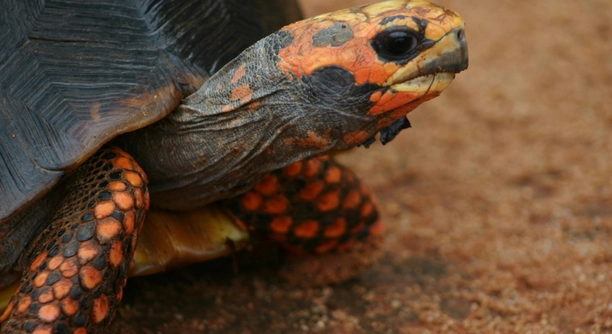
Red-footed tortoises are wonderful pets, but getting them to eat more greens can sometimes be tricky. They may be picky eaters or have preferences that make feeding them a challenge. Here are some helpful tips.
To encourage your red-footed tortoise to eat more greens, you need to offer a variety of leafy vegetables, create a comfortable feeding environment, and try different feeding times. Gradually introducing new greens may also help them adjust.
There are simple steps to improve your tortoise’s diet, ensuring they get the necessary nutrients. By offering fresh greens and changing the presentation, you can make meals more appealing to them. Keep reading to learn how.
Offer a Variety of Leafy Greens
Red-footed tortoises are herbivores that enjoy a wide range of plants, but they can be picky about which ones they like. Offering a variety of greens ensures that your tortoise gets the nutrients it needs. Try mixing different types of leafy vegetables like collard greens, dandelion greens, and mustard greens. It’s also important to offer a mix of both dark and light greens to keep things interesting. Some tortoises might prefer one type of green over another, so experimenting with different options can help you figure out what your pet enjoys most.
Introducing a mix of greens can help stimulate your tortoise’s appetite. While it might take some time for them to get used to the new greens, persistence often pays off. Avoid offering just one type for too long, as this might cause your tortoise to become too accustomed to it.
The key to success is variety. When you offer a selection, your tortoise may find it more appealing. Try cutting the greens into smaller pieces or offering them whole, depending on what your tortoise prefers. If you notice they aren’t eating certain greens, it’s okay to try something new. Be patient, and over time, they’ll learn to enjoy the diverse offerings.
Change the Feeding Environment
A comfortable and familiar feeding space is essential to encouraging your tortoise to eat more greens. Keep their feeding area clean and quiet. A space that is free from stressors, such as loud noises or sudden movements, can help them feel more secure.
Stress can lead to reduced appetite. Red-footed tortoises are more likely to enjoy their meals in an environment where they feel safe. A consistent and peaceful spot allows them to focus on eating without distractions. In time, they may become more comfortable with their greens.
Additionally, the temperature of the environment should be warm enough, as red-footed tortoises prefer warmth when feeding. If the area is too cold, they may not feel motivated to eat. Providing a comfortable habitat will help ensure your tortoise remains healthy and enjoys its meals.
Try Different Feeding Times
Feeding your red-footed tortoise at different times of the day can make a big difference in how much they eat. Some tortoises are more active and hungry in the morning, while others may be more interested in food later in the day.
Try offering greens in the morning and again in the afternoon or evening. This gives your tortoise the chance to eat when they feel most comfortable and hungry. You might notice that they respond better to one feeding time over the other.
It’s important to stick to a routine once you find the optimal feeding times. Consistency will help your tortoise know when to expect their meals. This can encourage a regular appetite and make mealtime a less stressful experience for them. Try adjusting the timing and observe your tortoise’s behavior to see what works best.
Offer Fresh and Clean Greens
Always make sure the greens you’re offering are fresh and clean. Tortoises are more likely to eat greens that are freshly harvested, free from pesticides, and thoroughly washed. If the greens aren’t clean, your tortoise may avoid them due to dirt or chemicals.
Regularly check your greens for signs of wilting or spoilage. Even small amounts of dirt can deter your tortoise from eating, so take extra care to rinse the greens thoroughly. When you serve fresh, clean vegetables, your tortoise will have a higher chance of enjoying them.
To make the greens even more appealing, you can chop them into small pieces or serve them whole, depending on your tortoise’s preference. If the greens are clean and fresh, your tortoise is more likely to eat them. Cleanliness plays a crucial role in ensuring your tortoise eats well.
Add Variety in Presentation
Changing the way you present the greens can make a big difference. Tortoises may be more inclined to eat when the greens are presented differently each time. Try arranging them in different ways or placing them on a flat dish.
Some red-footed tortoises may prefer greens arranged in a pile, while others like them spread out. Experimenting with different methods can help you find what works best for your pet. You can also try using a shallow dish to make it easier for your tortoise to access the greens.
Changing the presentation can add a fun element to mealtime. A slight variation in how the greens are served might catch your tortoise’s attention, encouraging them to try the new arrangement. Keep testing different setups to see what they like most.
Add Tasty Supplements
To make greens more appealing, consider adding some tasty supplements. Red-footed tortoises enjoy treats like diced fruits or flowers, which can be mixed with the greens. Adding a little variety can help boost their interest in their meals.
Make sure not to add too many treats, as this could cause an imbalance in their diet. Offering a small amount of fruit, such as strawberries or papaya, alongside the greens can help entice them to eat more.
The key is moderation. A few flavorful supplements mixed into the greens can make all the difference. Keep experimenting with different flavors and toppings to see what your tortoise enjoys the most.
Monitor Food Temperature
The temperature of the food can influence how much your red-footed tortoise eats. Tortoises are more likely to eat if their food is at the right temperature, which is usually room temperature or slightly warm.
If the greens are too cold, your tortoise might not be as interested in eating. Warm or room-temperature greens are more inviting and can encourage your tortoise to eat. Make sure to avoid serving food that is too hot, as this can be uncomfortable for them.
By maintaining the right food temperature, you ensure your tortoise has a better eating experience. Take the time to check the food’s temperature before offering it.
FAQ
Why isn’t my red-footed tortoise eating its greens?
There are several reasons why your red-footed tortoise may not be eating greens. One of the most common reasons is that the greens offered are not fresh enough, so your tortoise may avoid them. It’s important to provide fresh, clean vegetables and avoid offering wilted or spoiled greens. Another possible reason is that your tortoise is simply not used to certain types of greens. Try offering a variety and see which ones they prefer. Stress can also cause a lack of appetite, so make sure their feeding area is calm and quiet. Additionally, if your tortoise is too cold, it might not feel motivated to eat. Ensure their habitat temperature is within the ideal range for them to feel comfortable eating.
How often should I feed my red-footed tortoise greens?
Red-footed tortoises typically eat once a day. However, they can be fed more frequently, depending on their age and activity level. For adults, feeding them once a day is usually enough. Younger tortoises may need to be fed twice a day as they have higher energy needs. It’s important to provide a consistent feeding schedule to help your tortoise develop healthy eating habits. You can adjust the amount of food offered depending on whether your tortoise finishes it or leaves leftovers. Always ensure that fresh water is available at all times.
What greens are safe for my red-footed tortoise to eat?
Red-footed tortoises can eat a variety of leafy greens, including collard greens, mustard greens, dandelion greens, and kale. They also enjoy herbs like basil, parsley, and cilantro. It’s important to avoid feeding your tortoise iceberg lettuce, as it has little nutritional value. Also, steer clear of any greens that have been treated with pesticides or chemicals. Some fruits, such as papaya, strawberries, and mango, can be offered in moderation to add variety to their diet. Always wash the greens thoroughly before feeding them to your tortoise to remove any dirt or chemicals.
Can I feed my red-footed tortoise fruit along with greens?
Yes, fruit can be offered as an occasional treat for your red-footed tortoise, but it should not be the main part of their diet. Fruits like papaya, mango, strawberries, and melons are safe in moderation. Fruits are high in sugar, so offering them in small amounts ensures that your tortoise gets the right balance of nutrients. You can mix small pieces of fruit with their greens to make the meal more exciting. Just remember not to overdo it, as too much sugar can upset their digestive system.
Is it okay to feed my red-footed tortoise flowers?
Yes, many types of flowers are safe and even beneficial for red-footed tortoises. Flowers such as hibiscus, dandelions, and clover are a great addition to their diet. These flowers are rich in nutrients and can add variety to their meals. Just make sure the flowers are free from pesticides and chemicals. You can offer the flowers whole or chopped into smaller pieces, depending on your tortoise’s preference. Including flowers in their diet can also provide enrichment, making mealtime more interesting for your tortoise.
How do I know if my red-footed tortoise is eating enough?
You can gauge whether your red-footed tortoise is eating enough by monitoring its weight and overall health. If your tortoise seems active, has a healthy shell, and is not losing weight, it’s likely getting enough food. If your tortoise consistently leaves a lot of food behind, you might need to adjust the portion sizes. However, keep in mind that tortoises can sometimes be picky eaters, and it may take time for them to develop a preference for certain greens. If you’re concerned about your tortoise’s eating habits or if you notice weight loss or lethargy, it’s best to consult a vet.
Can I feed my red-footed tortoise commercial tortoise food?
While commercial tortoise food is available, it should not be the main part of your red-footed tortoise’s diet. These foods can be useful as an occasional supplement but are not a substitute for fresh greens and other natural foods. Many commercial foods contain high levels of protein, which can lead to health problems like kidney issues if fed too often. Fresh, varied greens and the occasional fruit or flower are much better for your tortoise. If you choose to use commercial food, make sure it’s specifically designed for red-footed tortoises and is balanced with the appropriate nutrients.
How can I encourage my red-footed tortoise to eat more variety?
To get your red-footed tortoise to eat a wider range of greens, try offering different types of leaves, flowers, and grasses regularly. Gradually introduce new greens alongside familiar favorites to help your tortoise get used to different textures and flavors. It’s important to mix up the presentation as well; try cutting the greens into small pieces, arranging them in a pile, or serving them in a shallow dish. If your tortoise is hesitant to try something new, try offering it at a different time of day or in a different environment. With patience, your tortoise may begin to enjoy a more varied diet.
Why won’t my red-footed tortoise eat when it’s not hungry?
Red-footed tortoises, like many animals, may not eat when they are not hungry. If they are not eating, it could be because they are still full from a previous meal. It’s important to avoid overfeeding them in one sitting. Also, tortoises have different activity patterns, and they might not always eat during the same time each day. Pay attention to when your tortoise seems most active or hungry and try offering food then. Be sure not to stress your tortoise by trying to force them to eat. Instead, give them some time, and try again later.
Final Thoughts
Encouraging your red-footed tortoise to eat more greens requires patience and a bit of trial and error. It’s important to offer a variety of fresh, clean vegetables and fruits to see what your tortoise prefers. Different greens and flowers can add variety to their diet, which not only helps ensure they get all the necessary nutrients but also keeps them engaged during mealtime. Some tortoises are more interested in greens when served in new ways, so experimenting with different presentations is a simple way to increase their interest in food.
It’s also essential to maintain a calm and comfortable environment for your tortoise while they eat. Stress can make them lose their appetite, so making sure the feeding space is peaceful and consistent is key. Pay attention to the temperature of both the food and the surrounding area, as red-footed tortoises tend to eat better when they feel warm and secure. By adjusting feeding times and ensuring the food is at the right temperature, you’ll create an environment where your tortoise is more likely to enjoy their meals.
In the end, it’s about trial and consistency. Your tortoise will likely eat more greens over time as you experiment with different types of food and feeding methods. Keep their diet varied and balanced, and avoid offering too many treats or processed foods. If you notice any signs of health issues or if your tortoise continues to refuse food, it might be worth consulting a vet for further guidance. With time, your red-footed tortoise will likely adapt to a healthy diet, and you’ll be able to provide them with the nutrients they need to thrive.

Hello,
If you enjoy the content that we create, please consider saying a "Thank You!" by leaving a tip.
Every little bit helps us continue crafting quality advice that supports the health, happiness, and well-being of pets around the world, for pets of all shapes, sizes, and species.
We really appreciate the kindness and support that you show us!