
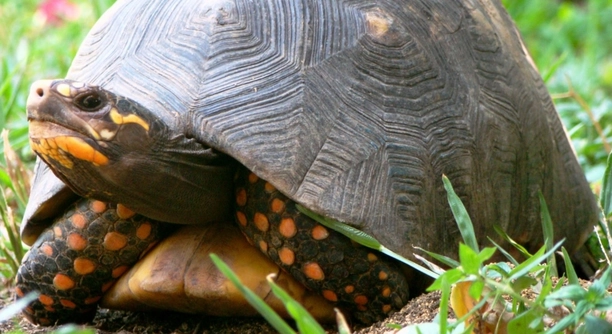
Red-footed tortoises are unique creatures, often engaging in unexpected behaviors. One such behavior involves climbing walls, which can be puzzling for many owners. Understanding the reasons behind this can help in providing better care for them.
The main reason your red-footed tortoise climbs walls is a result of environmental stressors, lack of proper space, or curiosity. Climbing is often linked to the tortoise’s instinctual behavior to explore its surroundings, particularly when feeling confined.
Understanding why your red-footed tortoise climbs walls can help in ensuring a comfortable and enriching environment for its well-being.
Why Red-Footed Tortoises Climb Walls
Red-footed tortoises may climb walls for several reasons. These tortoises are naturally curious, and when they feel confined, they may try to escape or find a way to explore. A lack of sufficient space or stimulation can also lead to this behavior. Wall climbing can indicate a need for more environmental enrichment or the desire to move beyond the boundaries of their enclosure. If they are constantly engaging in this behavior, it could be a sign that their living area isn’t meeting their physical and mental needs.
One way to help prevent wall climbing is by ensuring their enclosure provides enough space for them to move around freely. A large, secure habitat encourages exploration without the frustration of confinement. Consider adding various climbing structures, hiding spots, and areas for them to dig, which can help satisfy their instincts and keep them engaged.
Additionally, red-footed tortoises are social creatures and can feel stressed when alone for long periods. Keeping them in a spacious, enriching environment with opportunities to interact with their surroundings can reduce stress and curb climbing behavior.
Space and Habitat Design
The layout of your tortoise’s habitat plays a significant role in its behavior. A cramped, poorly designed space can lead to climbing, as the tortoise looks for more room. Creating a more suitable environment can help prevent frustration.
Provide a variety of structures within their habitat, such as rocks, logs, and plants, to offer natural enrichment. These additions will encourage your tortoise to explore horizontally and vertically, mimicking a more natural setting. Having different areas for your tortoise to roam around will ensure it stays active and content without trying to climb the walls for a change of scenery.
Proper lighting and temperature are also essential for your tortoise’s well-being. Ensure that the basking spot is at the right temperature, and that the rest of the enclosure provides a cool, shaded area for them to retreat to when needed. A well-balanced habitat will support their health and discourage climbing behaviors linked to stress.
Environmental Stress and Lack of Enrichment
Red-footed tortoises are sensitive to environmental stress. If their habitat is too monotonous, they may resort to climbing walls as a way to escape or alleviate their boredom. Stressors like excessive noise, movement, or inadequate hiding spots can contribute to this behavior.
Providing a variety of enrichment opportunities helps reduce stress. Adding plants, hiding spots, and safe obstacles gives your tortoise a sense of control and a way to channel its energy. Items like logs, branches, and flat rocks can be rearranged to provide new experiences, which will prevent the desire to escape.
Incorporating both vertical and horizontal structures in the enclosure allows the tortoise to explore naturally. The opportunity to climb, dig, and hide reduces frustration and encourages healthy behaviors. Adding objects that mimic their natural environment will provide mental stimulation and promote well-being, minimizing the urge to climb walls.
Tortoise Temperament and Personality
Each red-footed tortoise has a unique personality. Some are more curious or active, while others prefer to stay within a specific area. Even if the environment is suitable, certain tortoises will naturally climb walls simply due to their temperament.
Observing your tortoise’s behavior over time can reveal how much exploration it requires. If your tortoise is consistently attempting to climb, it might just be its way of satisfying curiosity. However, this behavior can become a habit if not addressed. Therefore, it’s crucial to keep your tortoise engaged in the right activities to manage its curiosity.
Some tortoises are more inclined to explore than others. If you find your tortoise constantly climbing, consider adjusting its environment to fit its personality, ensuring that its need for stimulation is met in a healthy way.
Temperature and Humidity Factors
Temperature and humidity can influence a red-footed tortoise’s behavior. If the environment is too hot or too cold, the tortoise may feel stressed and try to escape. Proper humidity levels are equally important to keep the tortoise comfortable.
Maintaining a consistent temperature is crucial for your tortoise’s health. Ensure that the basking area stays around 85-95°F, with cooler spots for resting. Humidity should be kept at 70-80% to prevent dehydration, which can also lead to erratic behavior. Regularly monitor the temperature and humidity levels in the enclosure to prevent stress-driven climbing.
Social Interaction and Companionship
Red-footed tortoises are social animals that may seek companionship. If they are housed alone, they could experience loneliness, which might result in climbing behavior. Social interaction, whether with other tortoises or through regular handling, can provide comfort.
A solitary tortoise might act out in search of attention or company. If you notice excessive climbing, consider providing a mate or increasing your tortoise’s interaction with its environment. However, be cautious when introducing another tortoise to avoid territorial issues.
FAQ
Why is my red-footed tortoise climbing the walls of its enclosure?
Climbing walls is a common behavior when a tortoise feels confined or stressed. If the enclosure is too small or lacks enrichment, your tortoise may try to escape or satisfy its curiosity. Wall climbing can also occur when the tortoise is looking for a more comfortable space or a way to explore its surroundings. Adjusting the size of the habitat, adding enrichment items like logs, plants, or hiding spots, and ensuring proper lighting and temperature can help reduce this behavior.
How can I stop my red-footed tortoise from climbing?
To stop your tortoise from climbing, make sure its habitat is spacious and stimulating. Include climbing structures, hiding spots, and objects like rocks or logs for the tortoise to interact with. Offering a variety of textures and hiding places keeps the tortoise engaged and less likely to climb in search of something new. Ensure the temperature and humidity levels are appropriate for your tortoise’s needs to avoid stress.
Do red-footed tortoises need companions to prevent climbing?
Red-footed tortoises are social animals and may become lonely if housed alone, leading to climbing behavior. Providing a companion or increasing interaction can reduce loneliness and help curb this behavior. If introducing another tortoise, make sure to monitor their interactions to avoid territorial disputes. Regular handling and interaction with you can also help alleviate loneliness.
Can my red-footed tortoise climb because it’s trying to escape?
Yes, climbing can be a sign that your tortoise is attempting to escape. If the enclosure is too small, lacks stimulation, or has poor conditions, the tortoise may feel trapped and try to climb. A larger enclosure, better environmental setup, and added enrichment can prevent this behavior.
Should I be worried if my red-footed tortoise is constantly climbing the walls?
Constant wall climbing can be a sign of stress or an unsuitable environment. If your tortoise is frequently climbing, assess its living conditions. Check for adequate space, proper humidity, temperature, and sufficient hiding spots. If everything seems fine and the climbing persists, it could be a behavioral issue, and seeking advice from a veterinarian may be necessary.
How much space does a red-footed tortoise need in its enclosure?
A red-footed tortoise requires a spacious enclosure to roam freely. Ideally, the enclosure should be at least 4 feet long by 3 feet wide for one tortoise, with extra space for each additional tortoise. The more room your tortoise has, the less likely it will feel the need to climb or seek out an escape route.
What temperature and humidity should I maintain for my red-footed tortoise?
The temperature for your red-footed tortoise’s basking area should be between 85-95°F, with a cooler area around 70-75°F. Humidity should be kept at 70-80% to prevent dehydration and ensure proper health. Maintaining these conditions helps reduce stress and the likelihood of climbing due to discomfort or frustration.
Can a red-footed tortoise climb due to its natural behavior?
Climbing can be a natural behavior for some red-footed tortoises, especially if they are curious and active. Tortoises in the wild often climb to explore their environment, so a similar instinct can manifest in captivity. However, if it becomes excessive or seems to be caused by frustration, adjustments to its habitat are necessary.
How can I make my red-footed tortoise’s habitat more interesting?
To keep your tortoise engaged and prevent wall climbing, add enrichment items such as plants, logs, and rocks for climbing or hiding. Create areas where the tortoise can dig, which will encourage natural behaviors. A variety of textures and hiding places provides stimulation and reduces the likelihood of climbing due to boredom.
Is it okay to let my red-footed tortoise roam outside the enclosure?
It is generally okay to let your tortoise roam outside of its enclosure under supervision. Ensure that the area is safe and secure, free from hazards like predators or poisonous plants. Always keep a close eye on your tortoise to prevent it from wandering off or getting into dangerous situations.
What signs should I look for to know if my red-footed tortoise is stressed?
Signs of stress in a red-footed tortoise include excessive wall climbing, lack of appetite, hiding more than usual, or acting lethargic. If your tortoise seems to be stressed, check its environment for factors like temperature, humidity, or space. Stress can also result from loneliness or an unsuitable companion.
Final Thoughts
Understanding why your red-footed tortoise is climbing walls is essential to ensuring its well-being. Climbing can be a sign of stress or boredom, often triggered by an environment that doesn’t meet the tortoise’s needs. A tortoise that feels cramped, isolated, or uncomfortable will try to escape or find a more suitable place. By identifying these causes, you can make adjustments that will help your tortoise feel more at ease and less likely to engage in climbing behavior. Simple changes such as increasing space, improving habitat conditions, and offering more interaction can go a long way.
Creating an ideal habitat for your red-footed tortoise is key to preventing unnecessary climbing. A spacious enclosure with the right temperature, humidity, and hiding spots will give your tortoise a sense of security and reduce the desire to climb. Adding enrichment items like logs, rocks, and plants will not only provide physical space but also mental stimulation. Keeping your tortoise’s environment interesting and safe will help it focus on natural behaviors like exploring, rather than trying to climb walls in search of a better place. Remember that regular maintenance of its habitat is essential for long-term happiness.
Finally, remember that red-footed tortoises, like all animals, have unique needs and personalities. While climbing may be a common behavior, each tortoise is different. Pay attention to your tortoise’s specific signs of stress or boredom, and address them promptly. By ensuring that your tortoise has everything it needs to thrive—whether that’s social interaction, environmental changes, or additional space—you’ll be able to manage this behavior and provide a healthier, more comfortable life for your pet.

Hello,
If you enjoy the content that we create, please consider saying a "Thank You!" by leaving a tip.
Every little bit helps us continue crafting quality advice that supports the health, happiness, and well-being of pets around the world, for pets of all shapes, sizes, and species.
We really appreciate the kindness and support that you show us!