
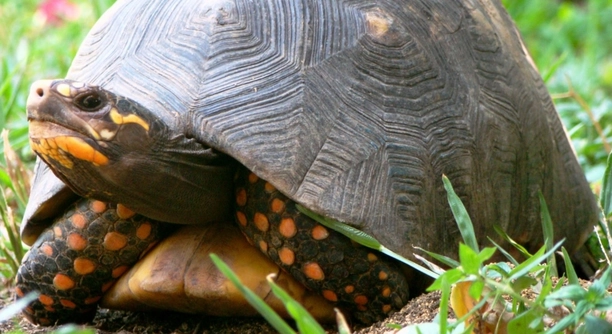
Red-footed tortoises are known for their unique personalities and care needs. One common issue owners face is their tortoise not drinking water. Understanding the reasons behind this behavior is crucial for their health and well-being.
Several factors contribute to a red-footed tortoise’s refusal to drink water. Dehydration may occur from a lack of fresh water availability, improper temperature, or inadequate humidity levels. These conditions affect the tortoise’s natural drinking habits, leading to health concerns.
Addressing these issues ensures a happier, healthier tortoise. Understanding the causes behind this behavior will help maintain proper care and prevent further complications.
Temperature Imbalances
Red-footed tortoises thrive in warm environments. If their enclosure is too cold, they may become lethargic, which affects their appetite and water intake. Proper heating is essential to mimic their natural habitat. The ideal temperature range is between 75°F and 85°F during the day. If the temperature falls below this range, your tortoise might not feel motivated to drink.
When temperatures are too low, red-footed tortoises can experience a decrease in their metabolic rate. This leads to less movement, a lack of interest in food and water, and even reduced digestion. Adjusting the temperature can often encourage better hydration habits.
Using a heat lamp or ceramic heater can help maintain the warmth needed for your tortoise to feel comfortable. Avoid placing the heat source too close, as it may cause the enclosure to become too hot and dry, making your tortoise uncomfortable.
Humidity Levels
Humidity is just as important as temperature. Red-footed tortoises are native to areas with moderate humidity, so keeping humidity levels within the right range is essential. Too much or too little moisture can affect their hydration.
A humidity range between 60% and 80% is ideal for red-footed tortoises. If the air is too dry, they may not feel the need to drink water. Additionally, improper humidity can lead to skin shedding issues and dehydration. Regular misting or using a humidifier can help maintain this level.
Make sure to monitor the humidity in your tortoise’s enclosure. If the humidity is too low, consider adding a water dish that is shallow enough for them to step into. This encourages them to drink and stay hydrated while preventing excessive evaporation.
Water Dish Placement
The placement of your tortoise’s water dish can influence how often they drink. If it’s located in a hard-to-reach spot or near areas where your tortoise prefers to avoid, they may not drink enough. Always ensure the water dish is easy for them to access.
Place the dish in a location where your tortoise can reach it without effort. It’s also essential to choose a shallow dish, as red-footed tortoises tend to be cautious when stepping into water. A dish that’s too deep may discourage them from drinking. Ensure it’s cleaned regularly to maintain water quality.
Some tortoises prefer water dishes in a corner or hidden area, mimicking the sheltered spaces they would use in the wild. Observing where your tortoise tends to rest or move frequently can help determine the best spot for their water dish.
Stress Factors
Stress can cause your tortoise to stop drinking. Changes in their environment, loud noises, or a new addition to their habitat can make them anxious. Red-footed tortoises are sensitive to their surroundings and may withdraw when stressed.
Maintaining a calm and stable environment is vital. Avoid sudden changes in their habitat, and keep their surroundings quiet. Introducing other animals should be done gradually to prevent overwhelming them. Keeping the tank or enclosure consistent can help reduce anxiety, ensuring your tortoise feels secure.
Stress-related dehydration may also cause your tortoise to refuse food and water. If stress persists, it can lead to health complications. Identifying and addressing the source of stress will help restore your tortoise’s natural behaviors, such as drinking regularly.
Poor Diet
A poor diet can affect your red-footed tortoise’s hydration habits. If their food lacks sufficient moisture, they may not drink enough water. Providing foods high in water content can help keep them hydrated, reducing their need to drink directly from the dish.
Incorporating vegetables like lettuce, cucumbers, and watermelon into their diet can boost hydration. These foods provide a natural source of water and are also nutritious for your tortoise. Avoid feeding them overly dry foods, as this can increase the chances of dehydration and discourage water intake.
A well-rounded diet rich in both nutrients and water content ensures proper hydration without relying solely on the water dish.
Illness
Sometimes, a lack of water intake can signal an underlying health issue. Illnesses like respiratory infections or digestive problems can make your tortoise feel lethargic and less interested in drinking. Pay attention to any changes in their behavior or eating habits.
If your tortoise is not drinking and also showing signs of illness, it’s important to consult a veterinarian. A vet can provide a proper diagnosis and treatment plan to help your tortoise recover. Illnesses can often be treated more effectively when caught early.
Water Contamination
Contaminated water is another reason why your tortoise may avoid drinking. If the water is dirty or smells unpleasant, your tortoise may refuse to drink it. Always check the quality of the water and change it regularly to ensure it stays fresh.
In addition to cleanliness, the type of water used matters. Tap water with chlorine or chemicals may not appeal to your tortoise. Using filtered or dechlorinated water can improve its taste and encourage drinking.
FAQ
Why is my red-footed tortoise not drinking water?
There could be several reasons your tortoise isn’t drinking. Temperature, humidity, water dish placement, and stress are the most common causes. Make sure their enclosure is warm enough, humidity is at the right level, and the water dish is accessible. Stress or illness can also cause a lack of interest in drinking.
How do I know if my red-footed tortoise is dehydrated?
Signs of dehydration in a red-footed tortoise include dry skin, lethargy, and a lack of appetite. You may also notice that their eyes look sunken or cloudy. If you suspect dehydration, it’s important to increase water availability and ensure they’re getting moisture-rich foods. If symptoms persist, visit a vet.
What can I do to encourage my tortoise to drink?
You can encourage your tortoise to drink by providing fresh, clean water in a shallow dish. Make sure the temperature is optimal, and humidity levels are well-maintained. Adding moisture-rich foods, such as cucumber or melon, to their diet can also help them stay hydrated. Be patient, as some tortoises take time to adjust.
Should I add anything to the water to make my tortoise drink more?
It’s not recommended to add anything to the water. Most red-footed tortoises prefer clean, fresh water. Adding substances to the water may deter them from drinking. If you feel the water quality is an issue, consider using filtered or dechlorinated water to improve its taste and appeal.
Can I give my tortoise water in a shallow pool?
Yes, you can provide your tortoise with a shallow pool or tray of water. Ensure that the water level is low enough for your tortoise to easily step in without feeling overwhelmed. Avoid deep pools, as they may feel unsafe and not drink from them. Always supervise your tortoise in water to ensure they do not drown.
How often should I change my tortoise’s water?
Change the water in your tortoise’s dish at least once a day to ensure it stays clean and fresh. If you notice the water becoming dirty or smelling, change it more frequently. Clean the water dish thoroughly every few days to remove any algae or residue buildup.
Can a tortoise drink too much water?
While it’s rare, excessive water intake may indicate a health issue, such as kidney problems. If your tortoise drinks an unusually large amount of water consistently, it’s worth consulting a veterinarian. Normally, tortoises drink when they need hydration, and the right amount depends on their activity level and environmental conditions.
Why is my tortoise not eating or drinking?
If your tortoise is refusing both food and water, it may be a sign of illness or stress. Check for any changes in their environment, such as temperature, humidity, or the presence of new animals. If these factors seem normal, it’s best to consult a vet to rule out any health problems.
Can I spray my tortoise with water to help hydrate it?
Yes, you can spray your tortoise with water to help increase humidity around them. Misting their shell and surrounding environment can help them absorb moisture. However, this is not a substitute for proper hydration, and you should ensure they have access to fresh water at all times.
Is it normal for my tortoise to not drink every day?
It is normal for tortoises to drink water less frequently, especially if they are getting moisture from their food. However, they should still be offered fresh water every day, even if they don’t drink it. Consistent access to water is crucial for their health.
Can temperature fluctuations affect my tortoise’s water intake?
Yes, sudden temperature fluctuations can cause your tortoise to become stressed or lethargic, which may reduce their water intake. Ensure that your tortoise’s environment remains stable in terms of both temperature and humidity. Avoid placing them in areas where there are significant temperature swings throughout the day.
What temperature should my tortoise’s water be?
The water temperature should be around room temperature, ideally between 70°F and 80°F (21°C to 27°C). Water that is too hot or too cold can deter your tortoise from drinking. Make sure to change the water regularly to maintain the ideal temperature.
How do I prevent my tortoise from drinking dirty water?
To prevent your tortoise from drinking dirty water, keep their dish clean and ensure that any food or waste doesn’t contaminate the water. Clean the water dish thoroughly at least once a week and change the water daily. It’s essential to keep their water source as clean as possible to encourage regular drinking.
How can I make sure my tortoise stays hydrated without drinking water?
If your tortoise refuses to drink water, you can try offering moisture-rich foods. Vegetables such as cucumbers, leafy greens, and fruits like watermelon can provide the hydration they need. A combination of diet and proper humidity can help keep them hydrated, even if they’re not drinking from the dish.
Final Thoughts
Ensuring that your red-footed tortoise stays hydrated is crucial for their overall health and well-being. While some tortoises may be picky about drinking from their water dish, it is essential to observe their behavior closely to identify any issues. If your tortoise is not drinking, consider factors like water temperature, the cleanliness of the water, and the placement of the water dish. Providing fresh, clean water daily and monitoring the environment can go a long way in encouraging them to drink.
In addition to offering fresh water, incorporating water-rich foods into your tortoise’s diet can help keep them hydrated. Vegetables like cucumbers, leafy greens, and fruits like watermelon can provide moisture while offering essential nutrients. A proper diet will ensure that your tortoise gets the hydration it needs even if it’s not drinking as much water directly from the dish. Regularly checking for signs of dehydration, such as dry skin, lethargy, or changes in behavior, is also important. Dehydration can lead to serious health problems if left unchecked.
If your red-footed tortoise’s water-drinking habits don’t improve despite changes in diet and environment, it may be time to consult a veterinarian. Illnesses or stress can sometimes affect their drinking habits, and a professional evaluation can help address any health concerns. With proper care and attention, most issues with water intake can be resolved. Always make sure to provide a safe, comfortable environment that supports your tortoise’s needs, and they should thrive with consistent hydration and proper care.

Hello,
If you enjoy the content that we create, please consider saying a "Thank You!" by leaving a tip.
Every little bit helps us continue crafting quality advice that supports the health, happiness, and well-being of pets around the world, for pets of all shapes, sizes, and species.
We really appreciate the kindness and support that you show us!