
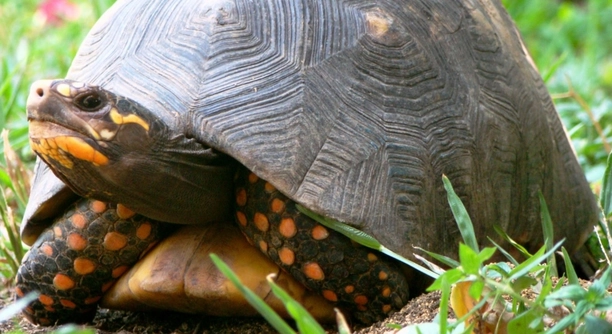
Walking your red-footed tortoise can be a fun and rewarding experience, but it’s important to ensure their safety and comfort. Understanding the best practices can help make the walk enjoyable for both you and your pet.
Taking a red-footed tortoise on a walk is possible, but it requires careful planning. Ensure a safe, secure environment, and monitor their comfort, as they move slowly and can be sensitive to temperature and terrain.
There are specific things to consider to make these outings enjoyable and safe. Knowing what to look out for will help ensure your tortoise stays healthy and happy during your walks.
Preparing for a Walk with Your Red-Footed Tortoise
Before taking your red-footed tortoise outside, you need to make sure you’re prepared. They move slowly and can get tired quickly, so it’s important to choose a safe and comfortable route. Keep in mind that they have a natural instinct to explore, but their slow pace means you’ll need to watch them carefully. Choose a place that’s free of predators, pesticides, and other hazards. The temperature is another crucial factor. These tortoises thrive in warm climates, so make sure it’s warm enough for them to be comfortable, but not too hot.
Ensure your tortoise has access to shade if necessary. Bring water for both you and your tortoise to stay hydrated. A harness can help keep them safe and prevent them from wandering off. Having the right tools in place will ensure your walk goes smoothly.
Make sure your tortoise’s shell is free of debris or dirt before you head out. This will prevent any irritation or discomfort during the walk. If the weather is too cold or wet, consider rescheduling.
Safety Tips for Your Tortoise’s Well-Being
The safety of your tortoise should always be your top priority. When walking, stay away from areas with heavy traffic or dangerous obstacles. Look out for sharp objects, like sticks or rocks, that could harm your tortoise. Avoid letting them roam freely in unfamiliar areas where they might get lost or hurt.
A leash or harness will prevent your tortoise from wandering too far. This is especially important because they can’t move quickly to avoid danger. You can also keep them in a secure, enclosed area when not walking to avoid escape. Make sure the leash is comfortable but secure enough to prevent any slipping.
Another essential tip is to monitor the weather closely. A red-footed tortoise can get stressed if the temperature isn’t right. On hot days, bring water and stop frequently in shaded areas to help them cool off. Cold temperatures can make them sluggish, so it’s best to avoid walking during those times. Keeping these simple safety tips in mind will ensure both you and your tortoise enjoy your time outside without any issues.
The Right Terrain for a Tortoise Walk
Choosing the right terrain for your red-footed tortoise is essential. They prefer soft, natural surfaces like grass, dirt, or sand, where they can move comfortably. Avoid rocky or uneven ground that could hurt their feet or cause stress. Flat, solid surfaces are best.
Walking on grass or dirt gives them the chance to use their natural foraging skills. They enjoy exploring and sniffing around for food, which helps keep them mentally engaged. Just be sure to keep an eye out for any sharp objects or litter that could cause harm.
If the ground is too hard or covered in rocks, your tortoise could suffer from sore feet or become too tired too quickly. Keep the walks short if the surface isn’t ideal, and always check the terrain before starting. A little extra care in choosing the right path will make a big difference in your tortoise’s comfort.
Keeping Your Tortoise Safe from Predators
Predators are a real concern for a slow-moving tortoise. While they are fairly sturdy, they’re not fast enough to outrun many potential dangers. Keep a close watch for any animals that could pose a threat, such as dogs, large birds, or other wild animals.
To keep your tortoise safe, always choose a location where predators are unlikely to be present. Parks with open spaces or enclosed areas with secure fencing are good options. Keep a close eye on any surrounding wildlife, as even small animals can sometimes be unpredictable.
A secure harness will help prevent your tortoise from wandering too far, reducing the risk of encounters with predators. If you’re walking in an area where larger animals are nearby, it’s best to avoid those areas or bring your tortoise inside when you spot any potential threats.
Temperature and Weather Considerations
Red-footed tortoises are sensitive to temperature extremes. They thrive in warm conditions but can overheat in excessive heat. Avoid walks during peak midday sun or when it’s too hot. Early mornings or late afternoons are better.
On colder days, your tortoise may not be as active or might even become sluggish. If it’s too cold, it’s safer to stay indoors. Ensure the weather is moderate and pleasant to avoid stressing your tortoise. Watching the temperature will help you provide the most comfortable experience for them.
Hydration Is Key
Always carry water with you for both you and your tortoise. Dehydration can happen quickly, especially when they’re outside, exposed to the elements. Keeping a water source nearby ensures they stay hydrated and healthy.
If your tortoise shows signs of tiredness or discomfort, offering a drink can help restore some energy. This is especially important on warm days when they might be more active. Carry a small bottle of water and offer it regularly during walks to prevent dehydration.
Using a Tortoise Harness
A harness can help control your tortoise while keeping them safe. It’s a good way to prevent them from wandering off or getting lost. Look for one that fits snugly without causing discomfort.
A harness should be made from soft material and adjustable to avoid chafing. Always check that it fits properly before heading out for a walk. With the right harness, your tortoise will stay safe, and you’ll have peace of mind knowing they’re securely attached.
FAQ
Can I take my red-footed tortoise for a walk every day?
You can take your red-footed tortoise for a walk regularly, but it’s not necessary to do it every day. Tortoises are not as active as other pets, and daily walks might tire them out or cause stress. Aim for a few walks each week, depending on the weather and how your tortoise responds. Pay attention to signs of fatigue or discomfort, and adjust the frequency accordingly. Over-exerting your tortoise can lead to health issues, so it’s important to find a balanced routine that works for both of you.
What should I do if my tortoise doesn’t want to walk?
If your red-footed tortoise refuses to walk, don’t force them. It’s normal for them to be hesitant at first, especially in new environments or unfamiliar situations. Start with short, relaxed walks in areas where they feel safe. Make sure the temperature is comfortable and that there are no loud noises or other stressors. If they still aren’t interested, try again the next day. Sometimes, tortoises just need time to adjust to their surroundings.
What is the best time of day to take my tortoise for a walk?
The best time to walk your tortoise is early in the morning or late in the afternoon. These times avoid the peak heat of the day, which can cause your tortoise to overheat. Tortoises are more active during the cooler parts of the day, so they’re more likely to enjoy a walk then. On particularly hot days, it’s best to stay indoors or only go out during these cooler hours. Be mindful of the temperature and make sure your tortoise is comfortable at all times.
How long should my tortoise walk last?
The length of the walk depends on your tortoise’s age, health, and activity level. A typical walk should last around 20 to 30 minutes, but it could be shorter or longer based on how your tortoise is feeling. Pay attention to signs of exhaustion, like slowing down or seeking shelter. If your tortoise appears tired or stops moving, it’s time to end the walk. Start with shorter sessions and gradually increase the duration as your tortoise becomes accustomed to walks.
Can I let my tortoise walk in my yard without supervision?
It’s not safe to let your tortoise roam your yard unsupervised, especially if it’s not enclosed. They can easily wander off, and there may be hidden dangers such as predators or hazardous plants. Even a well-fenced yard can have gaps or areas where your tortoise could escape. Always supervise your tortoise during walks, or ensure the area is completely secure if you want them to roam. Setting up a safe, enclosed space for them to explore can be a good alternative.
Are there any plants I should avoid while walking my tortoise?
Yes, there are certain plants that can be toxic to tortoises. Poisonous plants include some varieties of ivy, foxglove, and azaleas, among others. It’s important to familiarize yourself with local plants and make sure the area where you walk your tortoise is free of harmful vegetation. If you’re unsure about the safety of a plant, avoid letting your tortoise eat it or spend time near it. If your tortoise ingests a toxic plant, contact a vet immediately.
Can my red-footed tortoise interact with other pets during walks?
It’s generally best to keep your red-footed tortoise separate from other pets, especially during walks. Dogs, for example, may be curious about the tortoise and could unintentionally harm them. Keep a safe distance between your tortoise and other animals during walks. If you want your tortoise to interact with other pets, such as other reptiles, ensure that both are comfortable and closely supervised. Each pet has its own needs, so it’s important to monitor interactions to keep everyone safe.
What type of terrain is best for my tortoise’s walks?
Tortoises prefer soft, natural surfaces such as grass, dirt, or sand. These surfaces allow them to move more comfortably and explore naturally. Avoid rocky or paved areas that might strain their legs or cause injuries. Flat, even ground is ideal, and it’s important to avoid areas with sharp objects or heavy foot traffic. If you walk in a park or natural area, make sure the ground is free of dangerous debris that could hurt your tortoise.
How do I know if my tortoise is too hot or cold during a walk?
Tortoises can’t regulate their body temperature as well as some animals, so it’s important to monitor their behavior for signs of overheating or chilling. If your tortoise starts to move slower than usual, seeks shelter, or appears lethargic, they may be too hot or cold. On hot days, they may dig into the ground or seek shade, so make sure to provide them with plenty of cooling options. In cold weather, they may slow down significantly, and if they start to shiver, it’s best to bring them inside. Always monitor the temperature carefully to ensure their comfort.
Can my tortoise get hurt during a walk?
Yes, tortoises can get injured during walks if they encounter rough terrain, sharp objects, or even other animals. Always check the path ahead for hazards and ensure the area is safe for your tortoise to explore. Be careful about letting them roam too far or too quickly, as they are not agile enough to avoid potential dangers. If your tortoise seems injured after a walk, take them to a vet for a checkup. Keeping the walks short and safe reduces the chances of injury.
Final Thoughts
Taking your red-footed tortoise on a walk can be a fun and enriching experience for both you and your pet, but it’s important to approach it with care. Tortoises are naturally slow movers and prefer environments that allow them to explore at their own pace. Before heading out, make sure the weather is suitable, and the terrain is safe. Not all paths are ideal for tortoises, so it’s best to stick to soft, natural surfaces like grass or dirt to ensure they move comfortably. Keeping an eye on your tortoise’s behavior and making adjustments to the walk based on their needs will help keep them happy and healthy.
Safety should always be your top priority when walking your tortoise. Being mindful of predators, traffic, and other potential dangers will help keep your tortoise safe. It’s important to stay close and supervise them at all times. Using a harness can give you more control and prevent them from wandering into risky areas. Also, always remember to bring water to keep them hydrated, especially on warmer days. Red-footed tortoises are more active in cooler parts of the day, so early mornings or late afternoons are ideal for walks. Make sure to stop frequently for breaks if needed and never push them beyond their limits.
Ultimately, each tortoise is unique, and their needs may vary based on their age, health, and personality. Some may enjoy longer walks, while others might prefer shorter outings. By observing their behavior, you can figure out what works best for them. Understanding your tortoise’s preferences will ensure they enjoy their time outside. With the right preparation, patience, and care, walking your red-footed tortoise can be a rewarding activity that strengthens the bond between you and your pet.

Hello,
If you enjoy the content that we create, please consider saying a "Thank You!" by leaving a tip.
Every little bit helps us continue crafting quality advice that supports the health, happiness, and well-being of pets around the world, for pets of all shapes, sizes, and species.
We really appreciate the kindness and support that you show us!