
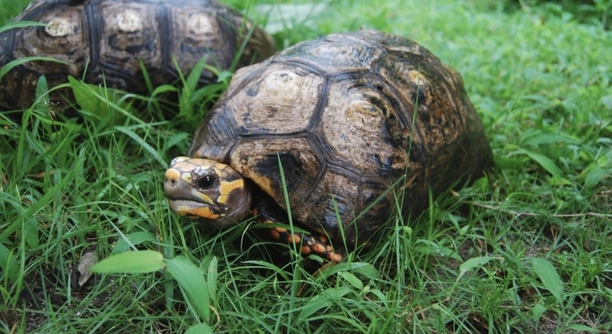
Red-footed tortoises are fascinating creatures that make wonderful pets. If you’re a proud owner or thinking about adopting one, understanding the best substrates and bedding for them is key to ensuring their well-being.
The ideal substrate for red-footed tortoises should provide comfort, maintain humidity, and mimic their natural habitat. A mix of soil, coconut coir, and organic mulch is commonly recommended, as it promotes proper moisture retention and allows for natural burrowing behavior.
Choosing the right bedding is essential for keeping your tortoise healthy. The right materials will not only help them feel secure but also aid in maintaining a proper environment.
Why the Right Substrate Matters for Red-Footed Tortoises
When selecting the best substrate for your red-footed tortoise, it’s important to consider its natural habitat. These tortoises thrive in a humid, tropical environment, and their bedding should mimic this. Proper substrate will help them regulate body temperature and humidity levels, both of which are crucial for their health. A well-chosen substrate also allows them to burrow, an instinct that provides security and comfort. Without the right bedding, they may become stressed, which can lead to health issues like respiratory infections or shell problems. Keep in mind that tortoises spend a lot of time on their bedding, so it should be safe, absorbent, and easy to clean.
The best choice is usually a mixture of organic materials like coconut coir, organic soil, and mulch. These not only hold moisture but are also soft, allowing for burrowing. It’s important to avoid substrates like sand, as they can cause impaction when ingested. The right bedding contributes to your tortoise’s well-being in ways that go beyond just comfort.
Having the right humidity levels is also essential for keeping your red-footed tortoise healthy. If the substrate doesn’t retain moisture well, the tortoise can become dehydrated. A suitable mix will keep humidity levels stable, making it easier for your tortoise to stay hydrated and maintain its natural behaviors.
Different Bedding Options for Red-Footed Tortoises
Some tortoise owners use a single type of bedding, while others mix different materials to create an ideal environment.
A common mix includes coconut coir, organic soil, and pine bark. This combination helps create a soft, absorbent, and stable substrate for your tortoise. It’s easy to maintain and provides good drainage, which is important to prevent mold or bacterial growth. You can also add some sphagnum moss or leaf litter to mimic a natural setting, providing even more opportunities for burrowing and hiding.
It’s important to change the bedding regularly to avoid bacteria buildup. When you notice the substrate getting too damp or dirty, replace it with fresh materials. Regular cleaning also reduces the risk of parasites and fungal infections. Be sure to spot clean daily, removing any waste or food remnants to maintain a healthy environment.
The right bedding should be easy to handle and should fit in your tortoise’s habitat. You want something that’s manageable but effective at maintaining the humidity your pet needs.
Best Substrates for Humidity Retention
Coconut coir is a great substrate for maintaining humidity levels. It holds moisture well, keeping the environment stable for your red-footed tortoise. When combined with other materials like organic soil, it provides a perfect balance of moisture and ventilation.
Coconut coir is lightweight and easy to work with, making it an excellent option for a substrate. It retains water for longer periods, which helps maintain a high humidity level in the enclosure. When using coconut coir, it’s important to monitor the moisture levels. If it becomes too dry, simply mist it with water. This substrate should be combined with soil or mulch to ensure proper drainage and prevent waterlogging. Together, these materials create a comfortable, natural environment for your tortoise.
While coconut coir is good at holding moisture, it’s essential to keep the humidity levels consistent. The addition of organic soil or leaf litter can help maintain the moisture level longer, especially in dry climates. Check the humidity regularly to make sure it stays within the 60-80% range. This helps prevent dehydration and other health issues that can arise when humidity fluctuates too much.
Substrate Choices for Easy Cleaning
One of the best things about a good substrate is that it makes cleaning easier. Coconut coir and organic mulch are not only great for your tortoise, but they also make it simple to maintain the habitat.
These materials naturally prevent odors and absorb waste, meaning you don’t have to clean as frequently. Simply spot clean daily, removing any waste or uneaten food. When the bedding starts to look dirty, it’s easy to replace or refresh it. Changing the substrate completely every few weeks keeps everything fresh and healthy. Keeping a clean environment helps prevent bacteria and mold buildup, which is essential for your tortoise’s health.
Using materials like coconut coir or pine bark makes it easier to spot clean and change the bedding. These substrates are absorbent, so waste doesn’t build up on the surface as quickly. They also won’t get stuck to your tortoise’s feet like some other materials. This makes your life easier while providing your pet with a hygienic and safe habitat.
Choosing the Right Substrate for Digging
Red-footed tortoises enjoy digging and burrowing, so a substrate that allows for this behavior is crucial. Materials like organic soil mixed with coconut coir offer the right texture for them to dig comfortably.
Soil combined with coconut coir provides the best balance. The soil is soft enough for digging, while the coir adds moisture retention. A thick layer of bedding gives your tortoise enough depth to burrow, which is not only satisfying for them but also mimics their natural environment. Be sure to maintain the right moisture levels to allow for easy digging.
Avoiding Harmful Substrates
Certain substrates, like sand or gravel, can cause more harm than good for red-footed tortoises. These materials can lead to impaction if ingested, which can be dangerous for their digestive health.
Sand and gravel are often used by people but are not suitable for tortoises. When tortoises ingest these materials, it can block their intestines and lead to serious health issues. Stick to organic materials like coconut coir and soil, which are safer and more beneficial for them.
Replacing Substrate Regularly
Replacing your tortoise’s bedding regularly is essential for keeping the environment clean and healthy. This ensures that waste doesn’t build up, and humidity levels stay balanced.
Change the substrate every two to four weeks, depending on the size of the habitat and how many tortoises you have. Regular replacement reduces the risk of bacteria and parasites. Make sure to clean the enclosure thoroughly before adding fresh bedding to prevent any harmful buildup.
FAQ
What is the best substrate for red-footed tortoises?
The best substrate for red-footed tortoises is a mix of coconut coir, organic soil, and mulch. This combination retains moisture well, which is important for maintaining the humidity levels that tortoises need. The soil provides texture for digging, and the coir helps hold the moisture. Pine bark is also a good addition for texture and natural behavior. Avoid sand or gravel, as they can cause impaction if ingested.
Can I use wood chips or bark as bedding?
Wood chips or bark can be used, but it’s important to choose the right type. Pine bark is usually fine, but avoid cedar bark, as it can release harmful oils that are toxic to tortoises. Make sure the wood chips are not too large, as they can be uncomfortable and hard to dig through. It’s also best to combine these materials with other substrates like coconut coir or organic soil for optimal moisture retention.
How often should I replace the substrate?
You should replace the substrate every two to four weeks. However, spot cleaning should be done daily to remove waste and uneaten food. The bedding may need to be changed sooner if it becomes too soiled or if humidity levels are not being maintained. Make sure to clean the entire enclosure before adding fresh bedding to prevent bacteria and mold buildup.
Can I use sand in my tortoise’s habitat?
Using sand is not recommended for red-footed tortoises. Sand can cause impaction if ingested, leading to digestive issues. It also doesn’t provide the moisture retention needed to maintain proper humidity levels. Stick to substrates like coconut coir, organic soil, and mulch for a safer and more suitable environment for your tortoise.
What is the ideal humidity level for red-footed tortoises?
Red-footed tortoises thrive in humidity levels between 60% and 80%. This humidity range helps them stay hydrated and supports healthy skin and shell growth. To maintain these levels, use substrates that retain moisture, like coconut coir and organic soil. Mist the substrate regularly to prevent it from drying out.
How do I maintain the right humidity in the enclosure?
To maintain the right humidity, use substrates that retain moisture, such as coconut coir or a soil mix. You can also mist the enclosure daily with water to keep the humidity levels up. It’s important to monitor the humidity with a hygrometer to ensure it stays in the 60%-80% range. Make sure the substrate doesn’t dry out completely, as this can lead to dehydration and health issues for your tortoise.
Is it necessary to have a humidity box in my tortoise’s enclosure?
A humidity box is not strictly necessary but can be beneficial. If you live in a particularly dry climate, or if you’re having trouble maintaining humidity levels in the enclosure, a humidity box can provide a more controlled environment. You can create a humidity box by filling a shallow container with moist sphagnum moss and placing it inside the enclosure. This gives your tortoise a place to retreat when it needs higher humidity levels.
Can I use reptile carpet as bedding?
Reptile carpet is not an ideal bedding choice for red-footed tortoises. It doesn’t allow for digging, which is a natural behavior for tortoises. Additionally, it doesn’t retain moisture or help maintain the necessary humidity levels. Instead, opt for a natural, absorbent substrate like coconut coir and organic soil. These will create a more comfortable, functional, and healthier environment for your tortoise.
How can I clean the substrate?
To clean the substrate, spot clean it daily by removing any waste, uneaten food, or debris. Once a week, stir the bedding to aerate it and prevent it from becoming too compacted. When it’s time for a full replacement, remove all the old bedding and wash the enclosure thoroughly with a mild disinfectant to eliminate bacteria and mold before adding fresh substrate.
Are there any substrates I should avoid for red-footed tortoises?
Avoid using cedar chips, gravel, and sand as substrates for red-footed tortoises. Cedar chips can release harmful oils that are toxic to reptiles, while gravel and sand can cause impaction if ingested. It’s also best to avoid using any substrate with chemicals or pesticides. Stick to natural, safe materials like coconut coir, organic soil, and pine bark.
How do I ensure proper drainage in the enclosure?
To ensure proper drainage, use a layer of non-toxic, absorbent material at the bottom of the enclosure, such as small stones or mesh. This allows excess water to drain away from the substrate and prevents it from becoming too waterlogged. You can also slightly elevate the substrate to promote drainage. Be sure to monitor the humidity levels, as stagnant water can lead to mold and fungal growth, which can be harmful to your tortoise.
Final Thoughts
Choosing the right substrate for your red-footed tortoise is essential for their overall health and comfort. A good substrate helps to maintain proper humidity levels, promotes natural digging behavior, and ensures a clean and safe environment for your tortoise. By selecting materials like coconut coir, organic soil, and pine bark, you can create a comfortable habitat that mimics their natural surroundings. These substrates help retain moisture, which is critical for keeping your tortoise hydrated and preventing dehydration. It’s important to avoid substrates like sand or gravel, which can lead to digestive problems if ingested.
Regular maintenance of the substrate is key to keeping your tortoise healthy. Spot cleaning daily helps remove waste and prevents bacteria buildup. Replacing the substrate completely every two to four weeks is recommended, but always make sure to clean the entire enclosure before adding fresh bedding. Keeping your tortoise’s home clean and fresh reduces the risk of fungal or bacterial infections. By monitoring the humidity levels and ensuring they stay within the recommended range of 60%-80%, you will provide your red-footed tortoise with a healthy and thriving environment.
In the end, creating the best habitat for your red-footed tortoise is a simple but crucial step in ensuring their well-being. The right substrate can make all the difference in maintaining a proper environment that supports their natural behaviors and keeps them healthy for years to come. Remember, tortoises rely on their surroundings to regulate their temperature, humidity, and comfort. Taking the time to choose and maintain the right bedding is an investment in your tortoise’s happiness and health.

Hello,
If you enjoy the content that we create, please consider saying a "Thank You!" by leaving a tip.
Every little bit helps us continue crafting quality advice that supports the health, happiness, and well-being of pets around the world, for pets of all shapes, sizes, and species.
We really appreciate the kindness and support that you show us!