
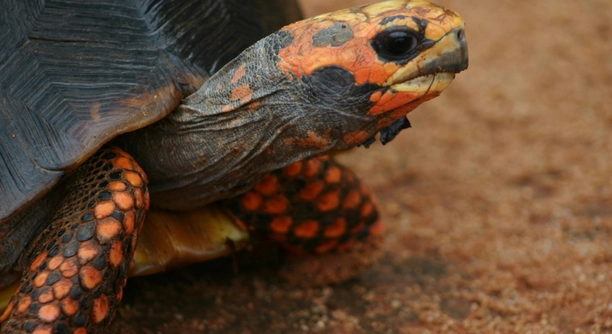
Caring for an albino red-footed tortoise requires a bit of effort, but it’s worth it for their long-term happiness. These beautiful creatures need a balanced environment to thrive, and a few simple guidelines can make all the difference.
Albino red-footed tortoises need a warm, humid habitat with proper lighting, diet, and regular health checks to stay healthy. Their diet should include a variety of fresh vegetables and occasional fruits, along with proper UVB lighting for shell health.
In this guide, we will cover all the essentials to keep your albino red-footed tortoise happy and healthy. From habitat setup to feeding and handling tips, you’ll find everything you need to care for your new companion.
Habitat Setup for Your Albino Red-Footed Tortoise
Creating the perfect habitat for your albino red-footed tortoise is essential to its well-being. These tortoises are native to warm, humid environments, so replicating that is key. A spacious enclosure, preferably at least 4×8 feet, should be used, with both warm and cool areas. They need a basking spot with a temperature of around 90°F (32°C) and a cooler section at around 75°F (24°C). Humidity levels should be kept between 60% and 80% to avoid dehydration and shell issues. A large water dish for drinking and soaking is also important.
You can use substrates like coconut coir or cypress mulch, as they help maintain humidity. Make sure the substrate is deep enough to allow burrowing behavior. Adding plants and hiding spots like logs or caves will provide enrichment. The use of UVB lighting for 10-12 hours a day is necessary to prevent shell and bone health problems.
Keeping your tortoise’s habitat clean is just as important. Spot clean daily, and change the bedding every couple of weeks to prevent mold or bacteria buildup. Regular cleaning helps maintain a healthy, stress-free environment.
Proper Diet for Your Albino Red-Footed Tortoise
A balanced diet is vital for the health of your tortoise. It should consist mainly of leafy greens like collard greens, dandelion greens, and mustard greens, supplemented with fruits and vegetables such as papaya, mango, and squash. High-fiber foods like hibiscus flowers are also great options.
Providing variety in their diet will help meet all of their nutritional needs. Be sure to offer calcium and vitamin D3 supplements regularly to support shell and bone development. Avoid feeding them high-protein foods like meat, as it can cause health issues.
Providing Proper Lighting and Heat
Your albino red-footed tortoise relies on UVB light to produce vitamin D3, which is essential for calcium absorption. Without adequate UVB exposure, your tortoise could develop metabolic bone disease, leading to weakened bones and deformities. Invest in a good quality UVB bulb, which should be replaced every 6 months to ensure its effectiveness.
In addition to UVB lighting, provide a heat source to maintain the required temperature gradient. Use a basking lamp to create a warm spot of around 90°F (32°C), and make sure the cooler areas remain at 75°F (24°C). A ceramic heater or heat mat under the enclosure can help with nighttime temperatures.
Maintaining the right temperature and lighting setup will ensure your tortoise stays active, healthy, and happy. Proper lighting mimics the natural sunlight they would encounter in the wild, keeping their circadian rhythm in check and supporting their overall health.
Handling Your Albino Red-Footed Tortoise
When handling your tortoise, be gentle and patient. These animals can get stressed easily, so avoid sudden movements. Let your tortoise move on its own terms, and always support its body fully when picking it up. Never lift it by the legs or tail.
Start by letting your tortoise get used to your presence. Offer food by hand to build trust. Always use both hands to lift, supporting its shell and legs. While tortoises don’t need constant interaction, regular handling will help them become comfortable with you, reducing stress. Never handle them excessively, as they may feel threatened. Let your tortoise explore and roam freely in a safe, enclosed area for mental stimulation.
If your tortoise becomes too stressed, put it back in its enclosure and give it some time to relax. Avoid handling it after it’s eaten, as it may feel more vulnerable.
Health and Wellness
Albino red-footed tortoises generally enjoy good health if their living conditions and diet are properly maintained. Regular check-ups with a reptile vet will ensure that they remain healthy. Watch for signs of illness like lethargy, loss of appetite, or shell abnormalities, which could indicate problems such as shell rot or respiratory issues.
Proper hydration is essential, so always provide fresh water and encourage your tortoise to soak occasionally. A warm soak can help with hydration and promote good digestion. If you notice your tortoise struggling to shed, this could be a sign of humidity issues or a need for a higher water content in its diet.
Keeping your tortoise’s environment clean and free of harmful bacteria also plays a large role in maintaining health. By offering a balanced diet and regular monitoring, you can help ensure that your tortoise lives a long, healthy life.
Shedding and Growth
As your albino red-footed tortoise grows, it will go through periodic shedding. This is completely natural and allows for its shell and skin to grow. During shedding, it’s important to maintain proper humidity levels to prevent the skin from becoming dry and stuck. Soaking your tortoise in warm water a few times a week will help with the shedding process.
Growth rates can vary depending on diet and environmental conditions. Ensure your tortoise receives proper nutrition with enough calcium and vitamin D to support its shell growth. If growth seems stunted or uneven, it could be due to nutritional imbalances or improper lighting.
Monitoring the condition of the shell during shedding is crucial. If you notice soft spots or any deformities, take your tortoise to a vet. Keep an eye on its progress, and be patient; shedding can take some time. Proper care during this process will ensure a smooth and healthy transition.
Common Health Issues
Albino red-footed tortoises can suffer from common health problems like shell rot, respiratory infections, and metabolic bone disease. Shell rot is often caused by poor humidity or a dirty enclosure. Always ensure your tortoise has a dry area and a humid spot in its habitat.
Respiratory infections can develop from improper temperature or humidity levels. If you notice your tortoise wheezing, having nasal discharge, or acting lethargic, consult a vet immediately. Metabolic bone disease is another concern, usually caused by inadequate calcium or UVB exposure. Ensure your tortoise gets a balanced diet with the right supplements.
Preventing Illness
Preventing illness starts with creating a proper environment. Regular cleaning, proper humidity, and temperature control will go a long way in keeping your tortoise healthy. Ensure it has access to clean water and a diet rich in nutrients like calcium and fiber.
Routine health checks are also important. Monitor for signs of distress, like changes in behavior or appetite. If you notice anything unusual, seek veterinary care right away. Early detection can make a big difference in treatment and recovery.
Enrichment for Your Tortoise
Albino red-footed tortoises benefit from mental and physical enrichment. Providing them with hiding places, plants, and safe objects to explore will keep them engaged and active. This helps prevent boredom, which can lead to stress or behavioral issues.
Incorporate different textures in the habitat, such as rocks, logs, or plants, to encourage natural foraging and climbing. Offering a variety of food items also keeps their diet interesting and provides the stimulation they need. Remember, a happy tortoise is an active tortoise.
FAQ
How big do albino red-footed tortoises get?
Albino red-footed tortoises generally grow to about 12-16 inches in length, with males typically being slightly smaller than females. They reach their full size by around 5-7 years of age, but their growth can vary depending on diet and environmental factors. Proper care, especially nutrition and lighting, helps them reach their full potential size.
What is the lifespan of an albino red-footed tortoise?
These tortoises can live for 40-50 years, sometimes even longer with the right care. Like all tortoises, they are long-lived creatures, and providing them with a suitable environment, balanced diet, and regular vet check-ups can help ensure they live a long, healthy life.
Can albino red-footed tortoises live outside?
Albino red-footed tortoises can live outside in warm climates with proper precautions. They need a secure, escape-proof enclosure with access to shade, water, and a warm basking spot. The environment should mimic their natural habitat, and they should never be left outside during cold weather as they can easily become ill.
What should I feed my albino red-footed tortoise?
The diet of an albino red-footed tortoise should consist of leafy greens like collard greens, dandelion greens, and mustard greens. You can also offer fruits like papaya, mango, and banana in moderation. A variety of vegetables, hibiscus flowers, and cactus pads are great additions as well. Avoid feeding them too much protein, as this can lead to health problems.
How do I know if my albino red-footed tortoise is sick?
Signs of illness in tortoises include a lack of appetite, lethargy, wheezing or nasal discharge, swollen eyes, and abnormal behavior. If your tortoise is not eating, seems weak, or has abnormal shell growth, it’s best to consult a vet for a check-up. Early detection is key to successful treatment.
Do albino red-footed tortoises need UVB light?
Yes, UVB light is crucial for your tortoise’s health. It helps them produce vitamin D3, which is essential for calcium absorption and shell health. Without UVB light, they may develop metabolic bone disease. Ensure your tortoise has access to UVB lighting for 10-12 hours a day, and replace the bulb every 6 months.
Can I handle my albino red-footed tortoise?
Yes, but you should be gentle and avoid handling them too often, as it can stress them out. When you do pick them up, always support their shell and body, never lifting them by the legs or tail. Let them move at their own pace, and avoid handling them right after they’ve eaten, as it can make them feel vulnerable.
What temperature should my albino red-footed tortoise’s enclosure be?
Your tortoise needs a temperature gradient in its enclosure. The basking area should be around 90°F (32°C), while the cooler side should be around 75°F (24°C). This allows them to regulate their body temperature by moving between warm and cool areas. Be sure to monitor the temperature regularly using a reliable thermometer.
How often should I clean my albino red-footed tortoise’s enclosure?
Spot clean your tortoise’s enclosure daily, removing any uneaten food and waste. Full cleaning, including changing the substrate and sanitizing the enclosure, should be done every 2-4 weeks. Keeping the habitat clean is essential to avoid bacteria buildup and to maintain a healthy environment.
Do albino red-footed tortoises need supplements?
Yes, albino red-footed tortoises need calcium and vitamin D3 supplements to support shell and bone health. Dust their food with a calcium supplement, especially if they’re not getting enough from their diet or UVB exposure. Vitamin D3 is important for calcium absorption, so ensure they have access to UVB light for proper bone development.
Can albino red-footed tortoises live with other pets?
Albino red-footed tortoises can generally live with other tortoises of the same species, but it’s important to keep them in a secure, non-stressful environment. When introducing them to other animals, take caution, as some pets might see them as prey. Avoid housing them with aggressive species or animals that could harm them.
How do I keep my albino red-footed tortoise hydrated?
Provide fresh water in a shallow dish for drinking and soaking. Tortoises like to soak themselves, which helps keep them hydrated and promotes healthy shedding. Keep the water clean and change it daily. If your tortoise seems reluctant to drink, you can offer moisture-rich foods like watermelon or cucumber to help with hydration.
Why is my albino red-footed tortoise not eating?
If your tortoise refuses to eat, it may be due to stress, incorrect temperatures, improper lighting, or illness. Ensure the habitat is at the right temperature and humidity level, and check the food for freshness. If the problem persists, take your tortoise to a vet to rule out health issues.
Is it safe for my albino red-footed tortoise to eat fruit?
Yes, fruits can be fed to your albino red-footed tortoise in moderation. They enjoy sweet fruits like mango, papaya, and banana. However, too much fruit can lead to digestive problems, so limit their fruit intake and focus primarily on leafy greens and vegetables.
How can I tell if my albino red-footed tortoise is growing properly?
You should notice steady growth in your tortoise as it gets older. Healthy growth includes a firm, smooth shell and a good appetite. If the shell looks soft or deformed, or if your tortoise seems lethargic or doesn’t grow as expected, it could be a sign of inadequate nutrition, lighting, or health issues. Regular vet check-ups will help monitor their growth.
Final Thoughts
Taking care of an albino red-footed tortoise is a rewarding experience that requires attention to detail and consistency. While they may seem low-maintenance, their care needs are specific. They thrive in a warm and humid environment, with a proper temperature gradient, access to UVB lighting, and a well-balanced diet. Understanding their needs and setting up their habitat correctly from the start can make a big difference in ensuring they live a long and healthy life. Regular cleaning, proper handling, and keeping an eye on their health will help maintain their happiness.
Remember that these tortoises are long-lived, so providing them with a stable and enriched environment is crucial. Regular vet check-ups and a good diet will go a long way in preventing health issues. Be patient as they adjust to their new home and don’t rush the process. They need time to feel safe and comfortable, which will help them flourish in your care. Offering a mix of food, enrichment, and a secure space to explore will keep them physically and mentally healthy.
While their care might seem like a lot at first, over time it becomes part of the routine. With proper care, your albino red-footed tortoise can live a happy life, and you will have the joy of seeing it grow and thrive. Ensuring they have what they need to be healthy not only benefits the tortoise but also strengthens the bond you have with them. With a little dedication, you’ll be rewarded with a companion that can be with you for many years.

Hello,
If you enjoy the content that we create, please consider saying a "Thank You!" by leaving a tip.
Every little bit helps us continue crafting quality advice that supports the health, happiness, and well-being of pets around the world, for pets of all shapes, sizes, and species.
We really appreciate the kindness and support that you show us!