
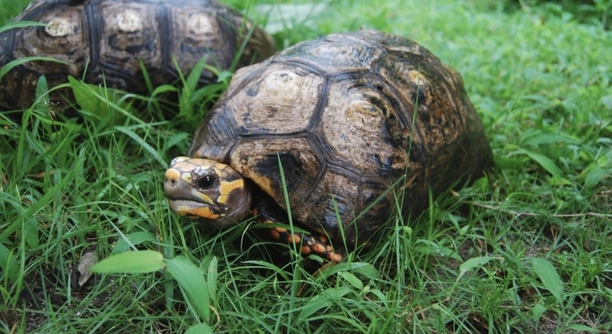
If your red-footed tortoise isn’t eating, it can be frustrating and concerning. Several factors might be at play, and addressing them can help your pet get back to its healthy eating routine.
The most common reasons for a red-footed tortoise not eating include stress, incorrect habitat conditions, or health problems. Identifying these factors and adjusting your care routine is crucial for resolving the issue and ensuring your tortoise’s well-being.
Understanding the root causes behind your tortoise’s refusal to eat can guide you toward the right solution. By making small adjustments, your red-footed tortoise will likely feel more comfortable and regain its appetite.
1. Stress From Changes in Environment
Stress is one of the most common reasons why your red-footed tortoise may stop eating. These reptiles are sensitive to changes in their surroundings, so any shifts in temperature, lighting, or humidity could cause them to feel uneasy. When stress is the cause, the tortoise might withdraw into its shell and avoid food, which can lead to further health complications if not addressed.
If you’ve recently moved the tortoise’s enclosure or made any significant changes, it’s essential to give them time to adjust. Stress can also come from loud noises, a new pet, or even a change in feeding routine.
Providing a calm and stable environment is key to keeping your tortoise comfortable. Keep the enclosure in a quiet area, maintain consistent temperature and humidity levels, and avoid handling your tortoise too much. The goal is to help your pet feel secure in its habitat, which should encourage normal eating behavior.
2. Improper Diet
Sometimes, your tortoise might not be eating simply because the food provided isn’t appealing or nutritious enough. Red-footed tortoises require a varied diet, including leafy greens, fruits, and some protein.
Feeding the wrong type of food or offering food that is too dry or old can discourage your tortoise from eating. Ensure you’re offering fresh, nutrient-rich foods that are appropriate for their dietary needs.
3. Illness or Health Issues
A sudden loss of appetite may signal an underlying health issue. Your tortoise could be dealing with an infection, digestive issues, or parasites. Illnesses often cause lethargy, which further prevents them from eating. If your tortoise is displaying any unusual behavior, it’s essential to consult a vet.
Health problems can be hard to detect early. Symptoms such as swelling, abnormal discharge, or a lack of interest in moving can all point to serious issues. If left untreated, health concerns can worsen quickly, making it crucial to seek veterinary care as soon as possible.
Regular check-ups are an excellent way to monitor your tortoise’s health and prevent issues from getting worse. Taking your pet to the vet ensures early detection of potential problems. The right treatment plan will help restore your tortoise’s appetite and overall health.
4. Incorrect Habitat Conditions
If the temperature or humidity isn’t right, your tortoise won’t feel comfortable enough to eat. Red-footed tortoises require specific temperature gradients and humidity levels to stay healthy. If the environment is too cold or too dry, they may stop eating.
Check your enclosure’s temperature and humidity levels regularly. The basking area should be around 90°F, with a cooler zone around 75°F. Make sure humidity is between 60% to 80%. These conditions mimic their natural habitat, which keeps them comfortable and encourages eating.
5. Overfeeding
Overfeeding your tortoise can be a problem. When they are given too much food, they may refuse to eat because they are full. It’s important to give portions that match your tortoise’s size and age to avoid overfeeding.
To prevent this, monitor how much food you offer each time and ensure it’s balanced. Offer smaller amounts regularly, rather than large portions all at once. This will encourage your tortoise to eat more often without feeling overwhelmed.
6. Unfamiliar Food
Your red-footed tortoise may not recognize or like the food you’re offering. These tortoises are picky eaters and have preferences when it comes to their diet.
Try offering a variety of fresh vegetables, fruits, and occasional protein. If they seem to avoid a particular food, try something different or stick to the types they enjoy most.
FAQ
Why is my red-footed tortoise not eating?
There are several potential reasons for a red-footed tortoise refusing food. Stress, health issues, incorrect habitat conditions, overfeeding, and unfamiliar food are the main causes. It’s important to observe your tortoise’s behavior closely and check its environment to determine what might be affecting its appetite. If you suspect health problems, it’s best to consult a vet.
How do I know if my tortoise is stressed?
Signs of stress in a tortoise include hiding in its shell, excessive sleeping, and refusal to eat. Stress can be caused by changes in the environment, such as new objects, noise, or temperature fluctuations. If your tortoise is stressed, try to return its habitat to familiar, comfortable conditions and give it time to adjust.
What should I do if my tortoise is sick and not eating?
If your tortoise shows signs of illness, like lethargy, swelling, or difficulty moving, it’s crucial to seek professional care immediately. A vet will diagnose the issue and provide treatment options. Health problems often lead to a lack of appetite, so addressing the illness will help your tortoise get back to eating.
Can I feed my red-footed tortoise lettuce?
Lettuce can be offered occasionally, but it should not be the primary food. While some types of lettuce are safe, they offer little nutritional value. Instead, focus on dark leafy greens like collard greens, dandelion greens, and mustard greens. These provide essential nutrients and encourage healthy digestion.
How often should I feed my red-footed tortoise?
Red-footed tortoises should be fed daily, but the amount should be adjusted based on their size, age, and activity level. Juveniles and young tortoises need more frequent feedings to support growth, while adults can eat every other day. Ensure the portions are balanced and avoid overfeeding.
What is the best temperature for my tortoise’s habitat?
The ideal temperature for a red-footed tortoise’s habitat is a basking spot around 90°F and a cooler area around 75°F. This temperature range mimics the natural environment of the tortoise. Ensure your habitat has a gradient so the tortoise can regulate its body temperature by moving between the warmer and cooler zones.
How can I increase the humidity in my tortoise’s enclosure?
To raise humidity in your tortoise’s habitat, you can mist the enclosure with water daily. Adding a humidity hide, such as a moist box or a section of the enclosure with damp moss, will also help maintain the right humidity levels. Ensure the humidity stays between 60% and 80%.
Should I give my tortoise fruits?
Fruits can be offered in moderation but should not be the main part of the diet. Red-footed tortoises enjoy fruits like strawberries, papaya, and mango, which provide essential vitamins. However, fruits are often high in sugar, so they should only be an occasional treat to prevent digestive problems.
What if my tortoise is still not eating after I’ve adjusted the temperature and humidity?
If your tortoise is still not eating after making necessary adjustments, it might be dealing with a health issue. A vet visit is recommended to rule out infections, parasites, or other diseases. Sometimes, an underlying illness requires professional treatment to restore your tortoise’s appetite and health.
How can I make sure my tortoise gets enough calcium?
Calcium is essential for a red-footed tortoise’s shell and bone health. To ensure they get enough calcium, offer calcium-rich foods like leafy greens, or dust their food with calcium powder. Make sure the food is balanced with other nutrients, and always provide access to fresh water.
Can I handle my tortoise if it’s not eating?
It’s best to avoid handling your tortoise too much if it’s not eating, especially if it’s stressed or unwell. Excessive handling can contribute to stress and make the situation worse. Let your tortoise settle into its environment and rest until it feels comfortable enough to eat again.
Why isn’t my tortoise eating even though it seems healthy?
If your tortoise appears healthy but isn’t eating, environmental factors like temperature or humidity could be the issue. It’s also possible that the food offered isn’t appealing enough. Consider adjusting its habitat conditions, offering a variety of foods, and reducing any potential stressors in the environment.
How long can a red-footed tortoise go without eating?
A healthy red-footed tortoise can go without food for a short period, usually up to a week, without serious issues. However, if your tortoise refuses to eat for longer than that, it could be a sign of stress or illness. Prolonged loss of appetite should be addressed promptly with a vet.
Final Thoughts
A red-footed tortoise refusing to eat can be concerning, but it’s important to understand that there are many factors that can affect their appetite. It could be something as simple as stress from a change in their environment, or it could be linked to health issues that need immediate attention. By monitoring your tortoise’s behavior and environment closely, you’ll likely be able to pinpoint the problem. Often, a few adjustments in temperature, humidity, diet, or routine can make a big difference and get your tortoise back to eating normally.
If the problem continues even after you’ve checked the basic factors like food, stress, and environment, it’s essential to seek professional help. A vet will be able to give a more accurate diagnosis if there’s an underlying health issue. Tortoises are generally resilient, but their refusal to eat for extended periods can lead to malnutrition or dehydration, which can worsen their condition over time. The quicker you address the issue, the better the chance of resolving it before it becomes more serious. Always remember that when in doubt, getting a professional’s advice can make all the difference.
Finally, understanding your tortoise’s behavior and needs goes a long way in maintaining its overall well-being. Ensuring a stable and consistent environment, providing a balanced and varied diet, and making sure your pet gets the proper care will help avoid many common eating problems. It’s also a good idea to stay proactive by regularly checking your tortoise’s health and habitat conditions. With a little effort and attention, you can help your red-footed tortoise lead a happy and healthy life.

Hello,
If you enjoy the content that we create, please consider saying a "Thank You!" by leaving a tip.
Every little bit helps us continue crafting quality advice that supports the health, happiness, and well-being of pets around the world, for pets of all shapes, sizes, and species.
We really appreciate the kindness and support that you show us!