
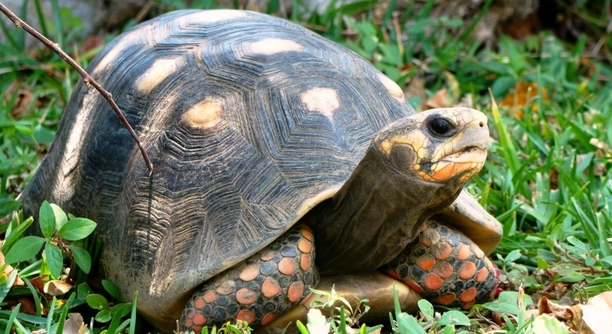
Red-footed tortoises are fascinating creatures, and learning about their mating behavior can offer valuable insights into their lives. Whether you’re a beginner or just curious, understanding their mating season is essential for anyone interested in these amazing reptiles.
Red-footed tortoises typically mate during the rainy season, which occurs from November to March. Mating can take place several times during this period, as males actively seek out females to ensure successful reproduction.
Understanding when and how these tortoises mate can provide you with a deeper appreciation for their life cycle. Learn more about this process and what to expect from these unique reptiles.
The Mating Season of Red-Footed Tortoises
The mating season of red-footed tortoises typically aligns with the rainy season. This period usually begins in November and can last until March. During this time, the weather is warmer, and the increased rainfall creates ideal conditions for reproduction. Males are particularly active, and they will often search for females, displaying specific behaviors to attract them. These tortoises can mate multiple times during this period, with both males and females playing important roles in ensuring the survival of the species. Understanding their mating habits can help you better care for these fascinating reptiles.
Mating is not just about reproduction; it is also about ensuring the species thrives in their natural habitat. The timing of their mating ensures the next generation hatches during the wetter months, when food is abundant and temperatures are favorable for young tortoises.
In the wild, red-footed tortoises can be quite territorial during mating. The males will often display dominance through loud vocalizations and by chasing the females. The males’ persistence in seeking a mate ensures that they can successfully reproduce during this critical time. After mating, the female tortoises will lay their eggs in a secluded spot. The eggs will incubate for about 100 to 150 days before hatching, depending on the environmental conditions. It’s important to note that environmental factors, like temperature and humidity, play a huge role in the development of the eggs and the survival of hatchlings.
Behavior of Red-Footed Tortoises During Mating
The male red-footed tortoises are usually the most active during the mating season. They will often compete with other males for the attention of a female.
The male tortoises can be aggressive and will chase each other away from potential mates. They may use their shells and limbs to push or shove, engaging in physical contact to display dominance. These encounters can seem intense, but they are part of the natural process. Once a male has found a female, he will attempt to court her by making various vocalizations and movements. If she is receptive, the male will climb on top and mate. This behavior is an important part of the cycle, helping to ensure genetic diversity in the population.
Red-Footed Tortoise Mating Behavior
Red-footed tortoises are known for their distinctive mating rituals. When males find a female, they will chase her and make various vocalizations to gain her attention. These vocal sounds are often loud and persistent, as the male tries to impress the female with his energy. Males can be quite determined, and their efforts to court a female can sometimes seem overwhelming.
The courtship behavior includes a lot of head bobbing, which is believed to signal interest. The male tortoise might also try to mount the female by climbing on top of her shell. This behavior ensures that he can mate successfully when the female is receptive. While some mating attempts can be brief, it’s not uncommon for the male to repeat the process several times over the mating season. During these interactions, the male’s determination ensures that the female has multiple chances to mate.
The mating process itself is often quick but repeated. After successfully mating, the female tortoise will move away from the male and search for a quiet spot to lay her eggs. This process can take place several times throughout the mating season, ensuring a better chance for reproduction.
Egg-Laying and Incubation
Once the female has mated, she will begin searching for a safe place to lay her eggs. The location she chooses is usually a dry, secluded area, such as a spot with loose soil.
The female tortoise typically digs a shallow hole with her hind legs before laying her eggs. She may lay anywhere from 5 to 15 eggs at a time, depending on her age and health. After laying, she covers the eggs with soil to provide some protection from predators and environmental conditions. This instinctual behavior is vital for the survival of the eggs. The female leaves the nest site after laying and doesn’t return to care for the eggs.
The incubation period for red-footed tortoise eggs usually ranges from 100 to 150 days. During this time, the eggs are left in the ground to incubate naturally. Temperature and humidity levels play a significant role in the development of the eggs. In warmer conditions, the eggs may hatch sooner, while cooler temperatures can slow the process down. It’s essential to maintain optimal conditions to increase the chances of hatchlings surviving. Once the eggs hatch, the young tortoises emerge and begin their own journey of survival.
Factors Affecting Red-Footed Tortoise Mating
Mating success in red-footed tortoises depends on environmental conditions like temperature, humidity, and seasonal changes. These factors influence not only mating behavior but also the health of the tortoises during the process. The rainy season, in particular, offers ideal conditions for mating.
Males are more active during the rainy season because of the warm temperatures and increased moisture. This period encourages both males and females to engage in mating behaviors more frequently. The availability of food also improves, supporting the health of the tortoises during their mating period.
Male Red-Footed Tortoise Behavior
Male red-footed tortoises can be very persistent in their pursuit of mates. They use a combination of vocalizations and physical displays to catch the attention of females. Their determination to court the female often leads to multiple mating attempts within a short period.
The males exhibit dominance behavior, sometimes engaging in physical confrontations with other males. These interactions can help establish which male will have the chance to mate. However, not all males are successful, and only the most persistent ones typically mate during the breeding season.
Female Red-Footed Tortoise Behavior
Female red-footed tortoises are typically more passive during the mating season. They might show little interest in mating until they are fully ready. Once receptive, the female will allow the male to approach and mate.
After mating, the female’s focus shifts to laying her eggs in a safe and secluded area, where she will bury them to protect them from predators.
FAQ
When do red-footed tortoises mate?
Red-footed tortoises typically mate during the rainy season, which starts in November and can last until March. This period provides the ideal conditions for reproduction, with higher temperatures and increased rainfall encouraging the tortoises to be more active and engage in mating behaviors.
How long does the mating season last for red-footed tortoises?
The mating season for red-footed tortoises lasts from November to March. During this time, males actively seek out females, and mating can occur multiple times. The exact duration of mating activities within this window depends on environmental factors and individual tortoise behavior.
How do male red-footed tortoises court females?
Male red-footed tortoises court females through vocalizations and physical behaviors. They make loud sounds to grab the female’s attention and often chase her. The male may also display head bobbing and try to mount her shell to indicate his interest and readiness to mate.
Do red-footed tortoises mate for life?
No, red-footed tortoises do not mate for life. Mating is typically seasonal, and males will mate with different females during the breeding season. Once mating is complete, the male and female separate, and the female focuses on laying her eggs.
How many times can a red-footed tortoise mate in a season?
A red-footed tortoise can mate several times during the breeding season. Males are persistent, often seeking out females and attempting to mate multiple times. The frequency of mating depends on the availability of receptive females and the male’s energy and ability to court successfully.
What happens after a red-footed tortoise mates?
After mating, the female tortoise will move away from the male and begin searching for a suitable place to lay her eggs. She will dig a hole in a secluded area, lay her eggs, cover them with soil, and leave. The male does not participate in the egg-laying process.
How long does it take for red-footed tortoise eggs to hatch?
Red-footed tortoise eggs take about 100 to 150 days to hatch, depending on temperature and humidity. The eggs are incubated naturally in the soil, and the conditions must be favorable for the embryos to develop successfully. Warmer temperatures speed up the incubation process, while cooler temperatures slow it down.
What temperature is best for incubating red-footed tortoise eggs?
The ideal temperature for incubating red-footed tortoise eggs is between 80°F and 88°F (27°C to 31°C). Maintaining stable humidity levels is equally important to ensure healthy embryo development. Too high or too low temperatures can cause developmental issues or prevent the eggs from hatching.
How many eggs do red-footed tortoises lay?
Female red-footed tortoises typically lay between 5 to 15 eggs per clutch. The number of eggs can vary based on the female’s age, size, and health. Older or larger females may lay more eggs, while younger or smaller females tend to lay fewer.
Do red-footed tortoises care for their eggs?
No, red-footed tortoises do not care for their eggs once they have been laid. After the female lays her eggs, she covers them with soil and leaves. The eggs are left to incubate on their own, and the hatchlings are fully independent once they emerge from the eggs.
Can red-footed tortoises mate outside of the rainy season?
While the rainy season is the peak time for mating, red-footed tortoises can technically mate outside of this period, though it’s less common. The mating behavior and success rate during non-rainy months are generally lower due to less favorable environmental conditions.
How can I tell if my red-footed tortoises are ready to mate?
Males will often show increased activity during the mating season, chasing females and displaying courtship behaviors such as vocalizations and head bobbing. Females may become more receptive to mating as the season progresses, but they will not actively seek mates unless they are ready. Signs of readiness are most often linked to seasonal changes.
What should I do if I want my red-footed tortoises to mate?
To encourage mating, ensure your tortoises are in the right environment, especially during the breeding season. This includes providing a warm, humid environment, along with a suitable space for both males and females to roam. You should also ensure they are well-fed and healthy to increase their chances of successful mating.
How do I care for red-footed tortoise hatchlings?
Once the eggs hatch, provide a suitable environment for the hatchlings to thrive. They need a warm, humid habitat with plenty of space to move around. Proper nutrition is also essential, so provide a variety of greens and vegetables to ensure their growth and health. It’s also important to keep them away from predators and provide proper UVB lighting.
What should I do if my red-footed tortoises are not mating?
If your red-footed tortoises are not mating, there may be issues with their environment or health. Ensure they have enough space, the right temperature, and proper humidity levels. Sometimes, it can take time for the tortoises to become accustomed to each other. If mating is still not occurring, consulting with a veterinarian experienced in reptile care may be helpful.
Can red-footed tortoises mate in captivity?
Yes, red-footed tortoises can mate in captivity, provided their environment is suitable. A large enough enclosure, proper temperature, and humidity levels are essential for successful mating. Additionally, ensuring that both the male and female are healthy and mature enough to reproduce will increase the chances of successful mating.
Do red-footed tortoises experience any challenges during mating?
Red-footed tortoises can face challenges during mating, particularly if environmental conditions are not ideal. Too much stress, poor diet, or improper housing can interfere with their ability to mate successfully. Additionally, male tortoises may face competition from other males, which can affect their mating success.
Final Thoughts
Understanding the mating habits of red-footed tortoises is important for anyone interested in keeping these reptiles or learning about their natural behaviors. Their mating season, which occurs during the rainy months from November to March, ensures that they reproduce in ideal conditions. During this time, males become more active and will often chase after females, displaying unique behaviors like vocalizations and head bobbing to attract a mate. Females are more passive and only become receptive when they are ready to mate. Once the mating process is complete, the female will focus on laying her eggs in a secluded, safe location where they can incubate without disturbance.
For tortoise owners or breeders, knowing the signs of mating readiness can help provide the right environment for these reptiles. Red-footed tortoises need a proper setup with warm temperatures, humidity, and enough space for both males and females to roam and interact. Males, in particular, require a suitable area to display their courtship behavior, and females need a quiet space to lay their eggs. Ensuring these conditions can help increase the chances of successful mating. However, it’s important to note that not all attempts at mating are successful, and it may take time for tortoises to mate.
Red-footed tortoises, like all reptiles, have a natural cycle, and their mating behaviors are linked to environmental factors. Their mating process, egg-laying, and incubation periods are closely tied to the seasons and surrounding conditions. While tortoises do not care for their eggs, the hatchlings are born with enough instinct to survive independently. If you’re caring for a red-footed tortoise, providing the right habitat and maintaining a healthy environment are key. Understanding the full scope of their mating behaviors and life cycle will help ensure that these reptiles thrive in both the wild and captivity.

Hello,
If you enjoy the content that we create, please consider saying a "Thank You!" by leaving a tip.
Every little bit helps us continue crafting quality advice that supports the health, happiness, and well-being of pets around the world, for pets of all shapes, sizes, and species.
We really appreciate the kindness and support that you show us!