
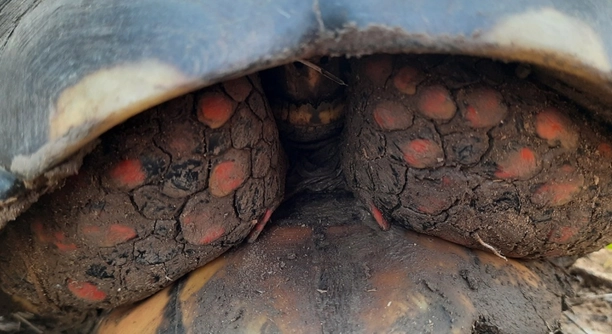
Red-footed tortoises are fascinating creatures with unique dietary needs. Ensuring they receive the right kind of food is essential for their health. In this article, we will explore which vegetables are best for your red-footed tortoise.
Red-footed tortoises can eat a variety of vegetables, including leafy greens like kale, dandelion greens, and collard greens. They may also enjoy squash, carrots, and bell peppers, but vegetables high in oxalates, like spinach, should be fed in moderation.
Feeding your tortoise the right mix of vegetables can help maintain a balanced diet. Keep reading for a complete list of safe veggies and tips on how to offer them for optimal health.
What Vegetables Are Safe for Red-Footed Tortoises?
Red-footed tortoises thrive on a variety of vegetables that provide essential nutrients for their well-being. Leafy greens are a staple, with dandelion greens, collard greens, and kale being some of the best options. These greens offer a good balance of calcium and fiber, which supports digestion and bone health. You can also include squash and zucchini in their diet, as these vegetables are rich in water content and help with hydration.
Carrots, bell peppers, and pumpkin are safe choices as well. Carrots provide vitamin A, which is crucial for their vision and immune function. Bell peppers, high in vitamin C, help boost their immune system. Although variety is important, it’s best to avoid overfeeding high-oxalate veggies like spinach or beet greens, as they can bind calcium and interfere with absorption. Additionally, limit feeding of high-protein vegetables like peas or beans to prevent kidney strain.
When offering vegetables, always wash them thoroughly and chop them into manageable pieces to prevent choking. Variety is important, but balance is key for a healthy diet. This ensures that your red-footed tortoise receives the right mix of nutrients needed for a long, healthy life.
Vegetables to Avoid Feeding Your Red-Footed Tortoise
Certain vegetables are best avoided when feeding red-footed tortoises. High-oxalate vegetables like spinach and rhubarb should be limited due to their effect on calcium absorption.
Some vegetables may not be safe for your red-footed tortoise because they contain compounds that can harm their health. For example, rhubarb contains oxalates, which can lead to kidney problems and prevent proper calcium absorption. Additionally, members of the nightshade family, such as tomatoes, can cause digestive issues when fed in excess due to their solanine content. It’s also important to avoid feeding your tortoise cabbage or lettuce varieties that are low in nutritional value. While some leafy greens are great for them, iceberg lettuce provides very few nutrients and is mainly water, which can cause digestive upset.
When choosing vegetables for your tortoise, prioritize those that are rich in vitamins, minerals, and fiber. These choices will ensure your pet receives the necessary nutrients to stay healthy. Always consult with a reptile expert or vet if you’re unsure about any food items.
How Often Should You Feed Vegetables to Your Red-Footed Tortoise?
Red-footed tortoises should be fed vegetables daily, as they need a consistent supply of nutrients. However, it’s important to offer a variety to keep their diet balanced and prevent boredom.
Vegetables should be part of your tortoise’s daily meals, but keep portions controlled. About 70-80% of their diet should come from vegetables, with the rest being fruits, protein, and some occasional treats. It’s a good idea to offer different vegetables throughout the week to keep things interesting and ensure they get a broad range of nutrients. Watch for any signs of digestive upset when trying new foods.
Feeding vegetables at the same time each day can help establish a routine. You may want to consider offering smaller portions multiple times throughout the day, especially if your tortoise shows a tendency to overeat or is younger and growing rapidly. Always monitor their weight and adjust portions if necessary.
How to Prepare Vegetables for Your Red-Footed Tortoise
Vegetables should always be washed thoroughly to remove any pesticides or dirt. Cutting them into smaller, manageable pieces can help with digestion.
When preparing vegetables, remove any seeds or pits from fruits and vegetables that could cause choking or digestive problems. For example, remove the seeds from bell peppers or squash before feeding them to your tortoise. You can offer vegetables either raw or lightly steamed. Avoid cooking vegetables too much, as this may destroy the nutrients your tortoise needs. Be sure to cut large vegetables, such as squash, into smaller chunks to make it easier for them to eat.
It’s also crucial to provide fresh vegetables each time. Remove any uneaten food after a few hours to prevent spoilage. Red-footed tortoises are particularly sensitive to mold and bacteria, so keeping their food clean and fresh helps avoid health issues. The better the quality of food, the healthier your tortoise will be.
Can Red-Footed Tortoises Eat Fruit with Their Vegetables?
Red-footed tortoises can enjoy fruit along with their vegetables. Fruit should be offered in moderation, as it’s high in sugar, which can lead to obesity if overfed.
Fruits like berries, melons, and mangoes are excellent additions to their diet. However, fruits should only make up 10-20% of their daily intake. Avoid feeding them overly sweet or acidic fruits like pineapple or citrus, as these can upset their stomachs. Always ensure fruits are fresh and cut into small pieces to make eating easier.
Importance of Calcium in a Red-Footed Tortoise’s Diet
Calcium plays a significant role in a red-footed tortoise’s diet, especially for shell and bone health. Without enough calcium, they can develop metabolic bone disease.
To maintain proper calcium levels, offer foods like dandelion greens, collard greens, and clover. You can also supplement their diet with calcium powder, sprinkled lightly on their vegetables. Make sure they have access to cuttlebone, which provides a natural source of calcium. Regular exposure to UVB light is essential for proper calcium absorption. Without adequate UVB light, calcium won’t be absorbed efficiently, leading to health issues like soft shells or bone deformities.
What About Protein in a Red-Footed Tortoise’s Diet?
Red-footed tortoises are primarily herbivores, but they can eat small amounts of protein. In the wild, they may consume insects, worms, and small animals.
Protein should only make up a small portion of their diet, around 5-10%. Too much protein can cause kidney strain or other health issues. You can occasionally offer insects like crickets or earthworms. In addition, adding high-protein vegetables like legumes in moderation can provide a good balance of nutrients. Ensure that protein sources are appropriate in size and digestible for your tortoise’s age and health condition.
FAQ
Can red-footed tortoises eat lettuce?
Yes, red-footed tortoises can eat lettuce, but not all types are beneficial. Leafy greens such as romaine or red leaf lettuce can be given in moderation. However, avoid iceberg lettuce as it offers very few nutrients and is mostly water. Lettuce can cause digestive upset if fed too often. Stick to more nutritious greens like kale or dandelion greens for a balanced diet.
How much should I feed my red-footed tortoise?
The amount to feed depends on the size and age of your red-footed tortoise. Generally, adults should be offered a variety of vegetables and some fruits daily. A healthy adult tortoise can be fed a salad of leafy greens, squash, and a small portion of fruit, about the size of their shell. Juveniles may need smaller meals more often to support their growth. Always monitor their weight and adjust portions to ensure they’re not overeating.
Are there any vegetables toxic to red-footed tortoises?
Yes, certain vegetables can be harmful to red-footed tortoises. Avoid feeding them vegetables like onions, garlic, and leeks, as these contain compounds that can cause toxicity in reptiles. Also, avoid high-oxalate vegetables such as spinach, beet greens, and chard in large quantities, as these can interfere with calcium absorption and lead to kidney issues. Always research a vegetable before offering it to ensure it’s safe for your tortoise.
Can red-footed tortoises eat tomatoes?
Red-footed tortoises can eat tomatoes, but they should be offered in moderation. Tomatoes are part of the nightshade family, and while they’re not toxic, too many can cause digestive issues. Remove the seeds to prevent any potential choking hazards. Stick to offering small pieces once or twice a week.
Is it okay to feed red-footed tortoises fruit every day?
It’s best to feed fruit to red-footed tortoises in moderation. While fruit is an excellent source of vitamins, it is also high in sugar. Feeding fruit daily can lead to obesity or gastrointestinal problems. Instead, offer fruit a few times a week as a treat. Stick to options like berries, melons, and mango, and always ensure the fruit is fresh and cut into manageable pieces.
Can red-footed tortoises eat carrots?
Yes, carrots are safe and beneficial for red-footed tortoises. They are rich in beta-carotene, which is essential for vision and immune health. Carrots should be fed in moderation, as they are higher in sugar compared to other vegetables. You can offer them shredded, chopped, or in small chunks to make it easier for your tortoise to eat.
Can I feed my red-footed tortoise flowers?
Red-footed tortoises can eat certain edible flowers, which can be a fun addition to their diet. Safe flowers include hibiscus, dandelions, and marigolds. These flowers are not only tasty for tortoises but can also provide some variety and extra nutrients. Avoid flowers that have been treated with pesticides or chemicals, as they can be harmful.
Do red-footed tortoises need supplements?
In some cases, yes. If your red-footed tortoise’s diet lacks calcium or other essential nutrients, supplements can be necessary. A calcium supplement with vitamin D3 is often recommended to help with shell and bone development, especially if they are not getting enough natural UVB light. Consult a vet to determine the right supplements for your tortoise’s specific needs.
How often should I change my red-footed tortoise’s food?
Fresh food should be offered daily, and any uneaten food should be removed after a few hours to prevent it from spoiling. Red-footed tortoises can be picky, and they may not eat all their food in one sitting. Check for any mold or decay, and replace old food to maintain a healthy environment. Regularly offering fresh food ensures they get all the nutrients they need.
Can red-footed tortoises eat potatoes?
Potatoes should not be fed to red-footed tortoises. Raw potatoes contain solanine, a compound that can be toxic to reptiles. Even cooked potatoes should be avoided, as they lack significant nutritional value for tortoises. Stick to other root vegetables like carrots or squash that provide better nutritional benefits.
Can red-footed tortoises eat mushrooms?
Mushrooms should be avoided when feeding red-footed tortoises. While some mushrooms are safe for humans, others can be toxic to reptiles. Many mushrooms contain compounds that can cause digestive issues or poisoning. It’s best to avoid feeding them mushrooms and stick to safer vegetable options.
Final Thoughts
Red-footed tortoises are fascinating animals that require a varied diet to stay healthy. Vegetables, fruits, and the right amount of protein are important to their well-being. While leafy greens like kale, collard greens, and dandelion greens should be the foundation of their meals, it’s also important to include a wide range of vegetables. Squash, bell peppers, and carrots can provide additional nutrients, while fruits like berries or melons can be given occasionally as treats. However, it’s crucial to avoid vegetables that are too high in oxalates, like spinach, and any potentially harmful foods such as onions or garlic.
When feeding your red-footed tortoise, be mindful of their age and size. Younger tortoises need smaller portions to support their growth, while adults may need larger amounts to maintain their health. Monitoring the food intake and adjusting portions based on their specific needs is key. Always ensure their diet is balanced with a good mix of vitamins, minerals, and fiber. If you’re unsure about certain vegetables or fruits, researching or consulting with a vet can be helpful. Providing fresh, clean food daily and removing any leftovers can help keep their diet safe and nutritious.
Finally, while offering the right vegetables is essential, other factors like UVB light and calcium intake are also crucial for your tortoise’s health. Without proper UVB exposure, their body may struggle to absorb calcium, which could lead to shell and bone problems. Additionally, using calcium supplements can help support their health, especially if they are not getting enough from their food. Regularly changing their diet and ensuring they get the right amount of calcium and UVB light will help your red-footed tortoise live a long, happy life.

Hello,
If you enjoy the content that we create, please consider saying a "Thank You!" by leaving a tip.
Every little bit helps us continue crafting quality advice that supports the health, happiness, and well-being of pets around the world, for pets of all shapes, sizes, and species.
We really appreciate the kindness and support that you show us!