
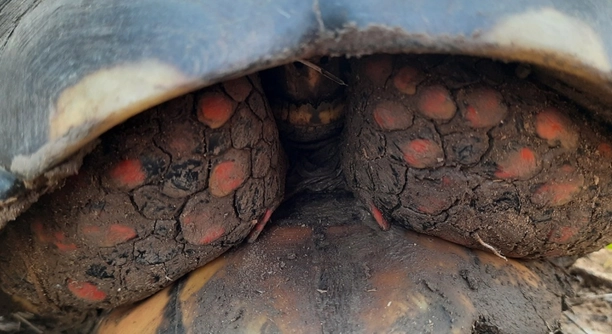
Determining the sex of your red-footed tortoise can be tricky. With some careful observation, you can learn to distinguish between a male and a female, helping you understand their behavior and needs more clearly.
The primary indicators to determine the sex of a red-footed tortoise are the shape of the shell, the size, and the tail. Males typically have a more concave plastron, longer tails, and a generally larger size compared to females.
Understanding these physical traits will help you accurately identify your red-footed tortoise’s sex, ensuring proper care and habitat adjustments.
Physical Differences Between Male and Female Red-Footed Tortoises
When trying to determine the sex of a red-footed tortoise, focus on key physical traits. Males usually have a concave plastron, which is the underside of the shell. This indentation helps them mount females during mating. The tail is another distinguishing feature; males typically have a longer, thicker tail, while females have shorter, more subtle tails. Additionally, males tend to be larger than females, although this can vary slightly between individuals.
Another notable physical difference is the shape of the carapace, or the top shell. Males generally have a more elongated and slightly more domed shell. Females, on the other hand, tend to have a flatter and wider carapace, which allows them to carry eggs. These distinctions can be more apparent as the tortoises mature, with juvenile tortoises being harder to differentiate.
Once you’ve identified these traits, it becomes easier to determine the sex of your red-footed tortoise. Though it may take time, regular observation will provide valuable insights into their development.
Behavioral Differences to Look Out For
Male red-footed tortoises tend to be more territorial, often engaging in behaviors like chasing or head-bobbing to assert dominance. This contrasts with females, who are typically more passive and less inclined to fight.
Male tortoises will often display mating behaviors, especially when in the presence of a female. This includes circling around the female, making a variety of vocalizations, and occasionally butting the female’s shell. Meanwhile, females exhibit more solitary behavior and show little interest in such displays unless they are in the breeding season. Recognizing these behaviors will help you better understand the gender dynamics in your tortoise’s behavior and ensure they are cared for appropriately.
How to Identify the Sex of a Red-Footed Tortoise by Tail
One of the most noticeable differences between male and female red-footed tortoises is the length and shape of their tail. Males have longer, thicker tails compared to females. The tail of a male tortoise extends further beyond the edge of the shell, which is crucial for mating purposes.
In addition to the tail’s length, the shape also differs. Male tortoises’ tails often have a slightly curved or pointed tip, whereas females have shorter, more rounded tails. This physical trait is a reliable indicator of sex, especially when compared to other characteristics like shell shape or size.
Observing these features closely will help you identify the sex of your red-footed tortoise with confidence. The tail is one of the first and easiest traits to assess as they grow and mature.
Shell Shape Differences in Male and Female Red-Footed Tortoises
The shell shape of a red-footed tortoise can provide key clues about its sex. Male tortoises typically have a more concave plastron, the underside of the shell, to assist with mating. This indentation allows them to sit comfortably on top of females.
Female tortoises, in contrast, have a flatter plastron. The wider, flatter shell allows for easier egg-laying and provides room for the eggs to develop within their body. This difference in plastron shape is often the most reliable indicator once the tortoise has reached maturity.
As juvenile tortoises grow, the concave or flat shape of the plastron becomes more defined, making it easier to tell the sex. However, this feature may not be as noticeable in younger tortoises, so it’s important to consider other physical traits to ensure an accurate identification.
Size Differences Between Male and Female Red-Footed Tortoises
Males tend to be larger than females, although the difference in size may not be obvious in younger tortoises. As they mature, males generally grow to a larger size, with more pronounced features. This size difference can be a helpful clue when identifying the sex.
Females, while smaller, usually have a more robust build. Their wider, more rounded bodies are designed for carrying eggs. The difference in size becomes more noticeable as they age, making it easier to distinguish between the sexes.
Behavioral Signs of Male and Female Red-Footed Tortoises
Male red-footed tortoises often exhibit more active, dominant behaviors. They will chase females or other males, and you may notice them head-bobbing, especially during mating season. This assertive behavior is commonly seen in males as a way of establishing territory or showing interest in a female.
In contrast, females are more passive and typically avoid such displays. They can be seen moving about more leisurely, with less aggressive behavior compared to males. Their primary focus is usually finding food and shelter, rather than competing for mates or territory.
Other Physical Traits That Indicate Sex
Aside from the tail and plastron shape, another physical trait that may help identify sex is the overall shell shape. Males often have a more elongated and slightly domed shell. This difference is more apparent as they mature. The carapace of females is broader and flatter, which assists in egg-laying.
FAQ
How can I tell if my red-footed tortoise is male or female?
The easiest way to determine the sex of your red-footed tortoise is by examining the tail, plastron, and shell shape. Males have longer, thicker tails with a concave plastron, which helps them during mating. Females typically have shorter tails and a flatter plastron to accommodate egg-laying. Additionally, males are generally larger and have more pronounced features as they mature.
At what age can I determine the sex of my red-footed tortoise?
Sexual dimorphism in red-footed tortoises becomes more apparent as they reach maturity, usually around 5 to 8 years old. While juvenile tortoises may exhibit similar characteristics, it’s often difficult to distinguish their sex until they are fully grown. Observing features like the shape of the plastron and tail will become easier as they age.
Do male and female red-footed tortoises behave differently?
Yes, there are distinct behavioral differences between male and female red-footed tortoises. Males tend to be more territorial and aggressive, especially during mating season. They may chase females, head-bob, or engage in other dominant behaviors. Females are generally more passive, focusing on food and shelter rather than engaging in such displays.
How big do male and female red-footed tortoises get?
Male red-footed tortoises are usually larger than females, with males typically reaching a size of 12 to 14 inches in length, while females are slightly smaller at 10 to 12 inches. This size difference is more noticeable as they mature. Males may also have a more pronounced body shape and larger features overall.
Can I sex a red-footed tortoise based on its shell shape?
Yes, shell shape is another useful indicator of sex. Males often have a more elongated, slightly domed shell, while females have a broader, flatter carapace. The flatter shell of the female is designed to accommodate eggs. However, this trait becomes more noticeable as the tortoises mature.
Do red-footed tortoises change their behavior over time?
Yes, red-footed tortoises can change their behavior as they grow older. Juveniles may be more curious and active, while adults become more focused on mating, food, and territory. Males in particular will become more aggressive during breeding seasons. Females may become more focused on nesting as they mature.
How often should I check my tortoise for signs of sex?
You should check your tortoise regularly, especially as they reach maturity. While it’s difficult to determine sex in very young tortoises, once they are about 5 to 8 years old, you can start to assess key physical traits like tail length, shell shape, and size. This will help you accurately identify their sex over time.
Can a red-footed tortoise’s environment affect its sex characteristics?
No, environmental factors do not influence the sex of a red-footed tortoise. The primary factors for determining sex are genetic and physical characteristics that develop over time. However, their environment can impact their overall health, which may affect growth and development, making it harder to assess sex in younger tortoises.
Is it necessary to know the sex of my red-footed tortoise?
Knowing the sex of your tortoise can help you provide the proper care, especially if you plan on breeding them. Male and female tortoises have different behavioral traits and may need separate housing if you want to avoid aggression. Additionally, understanding their sex helps you anticipate any special needs they might have, like nesting sites for females.
Can male and female red-footed tortoises live together?
Males and females can live together, but it’s important to monitor their behavior. Males may become aggressive, especially during mating season. If aggression becomes an issue, it might be best to house them separately. Providing enough space and hiding spots can help reduce stress and territorial behavior.
Final Thoughts
Identifying the sex of your red-footed tortoise is essential for understanding their behavior and providing appropriate care. By observing key characteristics like the tail length, plastron shape, and shell shape, you can determine whether your tortoise is male or female. These traits become more apparent as the tortoise matures, making it easier to identify their sex. Knowing whether you have a male or female tortoise will help you understand their needs, especially when it comes to housing, feeding, and mating.
While these physical traits are reliable indicators, behavior can also give clues. Males tend to be more active and territorial, especially during mating season. They may engage in behaviors like head-bobbing and chasing females. On the other hand, females are generally more passive and focused on finding food or nesting. Understanding these differences can help you manage your tortoise’s care more effectively and create an environment where they feel comfortable and safe.
Remember, determining the sex of a red-footed tortoise is not always immediate, especially in younger tortoises. It may take several years for the physical traits to become clear. If you’re unsure, consult with a veterinarian or a reptile expert who can help. Whether you’re keeping one tortoise or more, having a clear understanding of their sex can help ensure they thrive in your care, especially when planning for breeding or setting up their living space.

Hello,
If you enjoy the content that we create, please consider saying a "Thank You!" by leaving a tip.
Every little bit helps us continue crafting quality advice that supports the health, happiness, and well-being of pets around the world, for pets of all shapes, sizes, and species.
We really appreciate the kindness and support that you show us!