
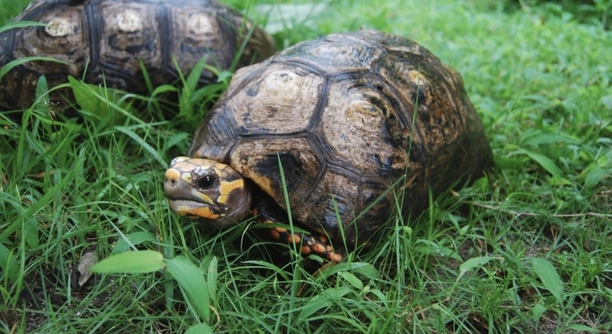
Red-footed tortoises are fascinating creatures that require careful attention to their diet. Knowing how often and how much they should eat is essential for their health and well-being.
Red-footed tortoises typically need to be fed every day. Their diet should consist of leafy greens, fruits, and vegetables in appropriate portions. Offering them a variety of food ensures they receive the necessary nutrients for growth and energy.
A consistent feeding schedule is important for maintaining a healthy tortoise. Understanding the proper balance of food and frequency will ensure your pet remains strong and vibrant.
How Much Should a Red-Footed Tortoise Eat?
Red-footed tortoises need a balanced diet to stay healthy. A mix of leafy greens, fruits, and vegetables should be included in their meals. Foods like collard greens, dandelion greens, and hibiscus flowers are great options. Fruits such as papaya, mango, and strawberries are also suitable but should be offered in moderation. It’s important to avoid feeding them too much fruit, as it can lead to imbalances in their diet. When it comes to vegetables, you can offer them squash, zucchini, and carrots. Offering a variety of food is key to providing proper nutrition and preventing health issues.
To avoid overfeeding, it’s best to monitor their portion sizes. You should aim to feed them about 1/3 of their body weight per week. If your tortoise doesn’t eat all the food in one sitting, remove the leftovers after a few hours to prevent spoilage.
Red-footed tortoises have different eating habits depending on their age and activity level. Juveniles may need more frequent feedings than adults, but adult tortoises typically only need to eat once a day. Adjust the amount accordingly to prevent overfeeding or underfeeding.
Feeding Schedule for Red-Footed Tortoises
A consistent feeding schedule is important. Red-footed tortoises thrive on a routine, so try to feed them at the same time each day.
Their diet should be spaced out evenly across the week, allowing their digestive system to process food properly. It’s important to observe how your tortoise reacts to its feeding schedule and adjust accordingly. Red-footed tortoises are slow eaters, and they should be given time to enjoy their meals without feeling rushed.
Best Foods for Red-Footed Tortoises
Leafy greens are essential for red-footed tortoises. Collard greens, turnip greens, and mustard greens should make up a significant portion of their diet. These provide vital nutrients that are necessary for their health.
You can also offer them safe flowers like hibiscus or dandelions. These are high in calcium and add variety to their meals. Fruits such as mango, papaya, and strawberries can be fed occasionally but should not be the main focus. Red-footed tortoises do not need animal protein, so avoid feeding them meat. A well-rounded diet will help your tortoise thrive.
For variety, you can also introduce vegetables like squash, zucchini, and carrots. These provide the necessary fiber for healthy digestion. Be cautious with feeding them too much high-oxalate food, like spinach, as it can interfere with calcium absorption. Offering a mix of these foods will ensure your tortoise gets the best nutrition.
Foods to Avoid for Red-Footed Tortoises
Some foods can cause health problems for red-footed tortoises. Avoid feeding them iceberg lettuce, as it lacks nutritional value.
Also, steer clear of feeding them foods high in oxalates, such as rhubarb, since they can interfere with calcium absorption. High-protein foods like dog food or cat food should also be avoided, as they can disrupt their digestive system.
Toxic plants should always be avoided, including foxglove, nightshade, and certain ferns. Always ensure the food you offer is safe, free from pesticides, and suitable for a tortoise’s digestive needs. It’s better to stick to natural, organic food when possible.
Red-Footed Tortoise Hydration Needs
Red-footed tortoises need access to fresh water every day. It’s important to provide a shallow dish of water that they can easily reach. Change the water daily to keep it clean and free from debris.
In addition to drinking water, red-footed tortoises often enjoy soaking in water to help with hydration. They may spend time in shallow water to hydrate and aid in digestion. Offering regular soaking sessions can be beneficial, especially during warmer months.
Be mindful of their environment. During dry periods, provide extra moisture by misting their enclosure to help maintain humidity levels.
Common Feeding Mistakes
Overfeeding is a common mistake. Many people offer too much fruit, which can lead to obesity or digestive issues. Stick to the right portion sizes for each meal.
Another mistake is not offering enough variety. A diet of only one or two types of food will not provide the necessary nutrients. Ensure you rotate different fruits, vegetables, and greens.
Supplements for Red-Footed Tortoises
Some red-footed tortoises may need calcium supplements, especially if their diet lacks calcium-rich foods. Dusting their food with a calcium powder is an easy way to ensure they’re getting enough.
Vitamins may also be needed in some cases, particularly if they aren’t getting a diverse range of foods. Always check with a veterinarian before adding supplements to their diet to avoid over-supplementing.
FAQ
How often should I feed my red-footed tortoise?
Red-footed tortoises should be fed daily, with meals consisting of a mix of leafy greens, fruits, and vegetables. Adults typically need one meal a day, while younger tortoises might need to eat more frequently. Make sure to remove any uneaten food after a few hours to avoid spoilage.
Can I feed my red-footed tortoise fruits every day?
Fruits should be offered sparingly, no more than two or three times a week. While tortoises enjoy fruits like papaya, mango, and strawberries, too much sugar can cause health issues, such as obesity. Focus mainly on leafy greens and vegetables for their daily meals.
What are the best leafy greens for red-footed tortoises?
Collard greens, mustard greens, turnip greens, and dandelion greens are among the best leafy greens for red-footed tortoises. These greens are high in calcium, which helps with bone health. Avoid iceberg lettuce, as it offers little nutritional value and can cause digestive problems.
Should I give my red-footed tortoise protein?
Red-footed tortoises are primarily herbivores and do not need animal protein in their diet. They should be fed mainly plant-based foods. Some occasional insects, like mealworms or earthworms, can be given as a treat, but they should not be a regular part of their diet.
Can red-footed tortoises eat commercial tortoise food?
While commercial tortoise food can be used as a supplement, it should not be the main part of their diet. These foods are often not as nutritious as fresh, natural options. Stick to a diet rich in leafy greens, vegetables, and safe fruits for better health.
How much should I feed my red-footed tortoise?
A good rule of thumb is to feed your tortoise about 1/3 of its body weight per week. You can adjust the amount depending on your tortoise’s age, size, and activity level. Monitor their weight regularly to ensure they aren’t over or underfed.
Can I feed my red-footed tortoise flowers?
Yes, red-footed tortoises enjoy eating certain flowers, which can be a great addition to their diet. Hibiscus, dandelion flowers, and pansies are safe options. Make sure the flowers are pesticide-free before offering them to your tortoise.
Is it okay to feed my red-footed tortoise vegetables every day?
Yes, vegetables can make up a significant portion of your tortoise’s diet. Offer a variety of vegetables, such as squash, zucchini, carrots, and bell peppers. Always ensure that vegetables are fresh and free from pesticides before serving them.
What should I avoid feeding my red-footed tortoise?
Avoid feeding your tortoise toxic plants like rhubarb, nightshade, and foxglove. Also, steer clear of high-oxalate foods such as spinach, as they can interfere with calcium absorption. Do not feed them animal-based foods or processed food designed for other animals, like dog food.
Do red-footed tortoises need supplements?
In some cases, red-footed tortoises may need calcium or vitamin supplements. If their diet lacks calcium-rich foods like dark leafy greens, you can dust their food with a calcium powder. Always consult a veterinarian before introducing supplements to ensure they are necessary.
How do I know if my red-footed tortoise is overweight?
You can tell if your tortoise is overweight by observing its shape and weight. An overweight tortoise may have a noticeably rounder shell and may move more slowly. It’s important to adjust their diet and feeding schedule if you notice any signs of obesity.
Can my red-footed tortoise eat tomatoes?
Tomatoes are safe to feed in small amounts. They should be given occasionally, not as a staple in their diet. Be cautious of the seeds, as they contain solanine, which can be toxic in large quantities. Always remove seeds before offering tomatoes to your tortoise.
Should I soak my red-footed tortoise regularly?
Yes, red-footed tortoises enjoy soaking in shallow water. Regular soaking helps with hydration and digestion. Provide a shallow dish of water or place your tortoise in a shallow bath to soak for 15-20 minutes a few times a week. Never leave them unattended during soaking.
What type of water should I give my red-footed tortoise?
Always provide clean, fresh water in a shallow dish that your tortoise can easily reach. Tap water is typically fine, but if you live in an area with hard water or chemicals, consider using filtered or dechlorinated water to ensure your tortoise’s health.
How do I create a proper feeding schedule for my red-footed tortoise?
Create a consistent feeding schedule, feeding your red-footed tortoise once a day. Ensure meals are offered at the same time each day to establish a routine. Monitor how much your tortoise eats and adjust portions as needed to maintain a healthy weight.
Final Thoughts
Taking care of a red-footed tortoise requires attention to their diet, hydration, and overall environment. By providing a balanced diet with the right variety of vegetables, fruits, and leafy greens, you help ensure their long-term health and well-being. Avoid overfeeding them fruits or offering too many treats, as this can lead to health problems such as obesity. The key is moderation and understanding the specific nutritional needs of your tortoise. Along with a proper diet, access to clean water is essential to keep them hydrated and help with digestion.
It’s also important to monitor their activity and weight to prevent any issues related to overfeeding or underfeeding. Make sure they get enough space to roam in their enclosure to stay active, and ensure that their environment is warm and humid enough to meet their needs. Consider offering a shallow water bath for soaking, as this can help with hydration and overall comfort. Creating a routine for feeding and soaking can make your red-footed tortoise feel secure and healthy. Regularly check the temperature and humidity in their enclosure to mimic their natural environment as closely as possible.
In conclusion, red-footed tortoises can be great pets with the right care. They are relatively low-maintenance once their needs are understood. Feeding them correctly, providing fresh water, and maintaining a comfortable living space are the basics that will help them thrive. As long as you stay mindful of their needs and adjust their diet and care accordingly, your tortoise will live a long and healthy life. By understanding the proper feeding schedule and keeping their environment in check, you can enjoy many years of companionship with your red-footed tortoise.

Hello,
If you enjoy the content that we create, please consider saying a "Thank You!" by leaving a tip.
Every little bit helps us continue crafting quality advice that supports the health, happiness, and well-being of pets around the world, for pets of all shapes, sizes, and species.
We really appreciate the kindness and support that you show us!