
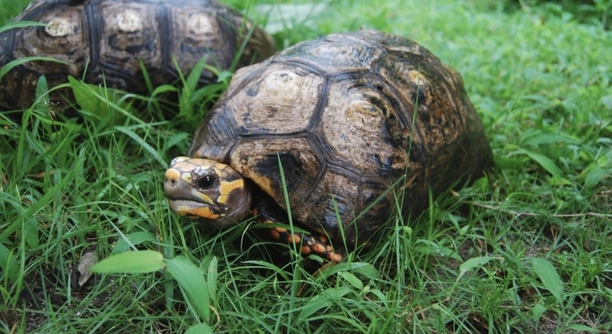
Red-footed tortoises are fascinating creatures, known for their colorful appearance and docile nature. If you’re caring for one, understanding their reproductive habits is essential. In this guide, we’ll cover how many eggs they typically lay and other helpful care tips.
Red-footed tortoises generally lay between 3 to 6 eggs per clutch. The number can vary depending on factors such as age, health, and environmental conditions. It’s important to provide a proper nesting area to ensure healthy egg development.
Knowing how many eggs these tortoises lay can help you prepare for their nesting needs and ensure their care is up to par.
How to Prepare for Egg-Laying
When your red-footed tortoise is ready to lay eggs, it’s important to create a suitable environment for her to do so. A well-prepared nesting site is essential to ensure the eggs are laid in the best possible conditions. Choose an area that is quiet, warm, and has a soft substrate for digging. Providing a mix of soil and sand can mimic the natural conditions these tortoises prefer. Make sure the spot has enough space for the tortoise to move around freely and feel secure.
In addition to the nesting area, monitor the temperature and humidity. These factors significantly influence the success of the egg-laying process. The temperature should be maintained between 80 and 90°F, with humidity around 60-70%. You can use a thermometer and hygrometer to keep track of these conditions.
Remember that red-footed tortoises may take some time to find the right spot and dig their nest. Avoid disturbing her during this process, as stress can affect the quality of the eggs and her overall health.
Incubating the Eggs
Once the eggs are laid, careful incubation is crucial for successful hatching. The best practice is to place the eggs in a secure incubator set to 86-88°F. Avoid handling the eggs too much, as they are delicate and may crack easily. Use a container with a substrate that helps maintain the proper moisture levels, such as damp vermiculite or perlite.
During the incubation period, which typically lasts 90 to 120 days, be patient and avoid disrupting the eggs. Ensure the incubator maintains a consistent temperature and humidity, as fluctuations can harm the embryos. After the incubation period, the hatchlings will begin to emerge, and you can provide a suitable environment for them to thrive.
Signs Your Red-Footed Tortoise Is Ready to Lay Eggs
A few key signs indicate your red-footed tortoise is about to lay eggs. She may become more restless, spending more time digging and searching for a nesting site. You might notice her appetite decreases slightly, and she may show more interest in secluded areas.
These behaviors typically increase as the laying time approaches. If you notice your tortoise pacing or digging excessively, it’s a sign that she’s preparing to lay. Her shell may appear slightly more swollen, as well, as she carries the eggs. It’s important to provide a proper nesting area right away to support her natural behavior.
Watch for any other changes in her routine. A reduction in her eating habits combined with these behaviors is a clear sign she is preparing for egg-laying. Keep an eye on her, but avoid causing stress, as this can disrupt the process.
Providing the Right Nesting Area
The nesting site plays a critical role in egg-laying success. Choose a location that is quiet, safe, and easy for your tortoise to access. The area should offer enough space for her to move around comfortably as she searches for the perfect spot to dig. Make sure it’s not too close to her usual basking or eating areas to avoid unnecessary stress.
A soft, moist substrate is essential for a successful nest. You can mix sand, soil, and coconut coir to create a suitable bedding. This combination helps her dig effectively and creates an environment similar to her natural habitat. Keep the nesting area slightly elevated to ensure the eggs remain safe and avoid being disturbed by water.
Check the area regularly for signs of egg-laying, but try not to disturb your tortoise too much. Once the eggs are laid, remove them carefully for incubation.
How to Handle Red-Footed Tortoise Eggs
Once your tortoise has laid her eggs, handle them carefully. Use a small, soft brush or your hands to gently remove the eggs from the nesting site. Avoid rotating or tilting them, as this can harm the developing embryos.
Place the eggs in an incubator immediately to maintain stable conditions. Use a shallow container with a damp, sterile substrate like vermiculite. The eggs should be laid on their side, not disturbed. Keep the incubator temperature steady at 86 to 88°F, with humidity levels at 60-70%. This helps mimic their natural environment for optimal hatching conditions.
Be sure to monitor the incubator regularly to ensure the temperature and humidity remain consistent. Any fluctuations can affect the eggs’ development, leading to hatchling issues. Keep the eggs undisturbed to avoid damaging them until they hatch.
Signs of Healthy Eggs
Healthy eggs are firm, round, and slightly leathery in texture. If the eggs feel soft or mushy, this may indicate they are not viable. Discoloration, such as spots or cracks, is also a sign of potential problems.
Inspect the eggs every few weeks to look for any visible changes. Healthy eggs should remain smooth and maintain their shape. If you notice any abnormalities, take action quickly to prevent issues during incubation.
Caring for Hatchlings
After the eggs hatch, it’s important to care for the hatchlings immediately. Ensure they are placed in a safe, warm, and humid environment to help them adjust to life outside the egg. Provide shallow water dishes, small areas for basking, and places to hide.
Monitor their behavior closely. Hatchlings should begin eating shortly after hatching. Offer small portions of fresh greens and safe fruits. Be sure to also provide calcium supplements for healthy shell development. Provide a proper basking area with a temperature around 90°F to help them thrive.
FAQ
How often do red-footed tortoises lay eggs?
Red-footed tortoises typically lay eggs two to three times a year, though this can vary depending on their age, health, and environmental conditions. In the wild, they may lay eggs during the rainy season when food is abundant. Captive tortoises may lay eggs more frequently if their environment mimics the natural conditions they need to breed successfully. Proper care, including a balanced diet and appropriate habitat, can encourage regular egg-laying cycles.
How long does it take for red-footed tortoise eggs to hatch?
It takes approximately 90 to 120 days for red-footed tortoise eggs to hatch. The exact time can vary based on temperature and humidity during the incubation period. Eggs incubated at a consistent temperature between 86 and 88°F generally hatch within this time frame. It’s essential to maintain stable conditions to give the eggs the best chance of hatching successfully.
What should I do if my red-footed tortoise is not laying eggs?
If your red-footed tortoise isn’t laying eggs, it may be due to stress, poor diet, or inadequate environmental conditions. Ensure the temperature and humidity in her enclosure are suitable, and she has access to a safe and quiet nesting area. Sometimes, it takes time for a tortoise to become comfortable enough to lay eggs, so give her space. If you’re concerned, consult a veterinarian to rule out any health issues.
Can I touch or move the eggs once they’ve been laid?
It’s important to handle red-footed tortoise eggs with care. Avoid touching or moving the eggs once they’ve been laid, as this can damage the delicate embryos inside. If you must move the eggs, use a soft brush or your hands to carefully lift them, making sure they remain in the same position as when they were laid. Placing the eggs gently into an incubator as soon as possible is crucial for successful hatching.
How do I tell if a red-footed tortoise egg is fertile?
It can be difficult to tell if a red-footed tortoise egg is fertile just by looking at it. Fertile eggs are typically slightly translucent when you hold them up to a light, while infertile eggs may appear opaque or have dark spots. However, the best way to determine fertility is by allowing the eggs to incubate for a few weeks. If no signs of development are seen after several weeks, the egg may be infertile.
What temperature and humidity are ideal for incubating red-footed tortoise eggs?
The ideal temperature for incubating red-footed tortoise eggs is between 86 and 88°F, with humidity levels around 60-70%. It’s important to maintain these conditions consistently throughout the incubation period. Too much heat or humidity can damage the eggs, while too little can cause them to dry out or fail to develop.
How can I create a proper nesting area for my red-footed tortoise?
To create a proper nesting area for your red-footed tortoise, choose a quiet, safe spot within her enclosure. The area should be large enough for her to move around and dig comfortably. Use a substrate mix of sand and soil that’s soft enough for her to burrow but firm enough to hold the eggs. The substrate should be kept slightly moist to help with the digging process. Ensure the temperature and humidity are appropriate for egg development, and check the area regularly for signs that she’s ready to lay.
What should I do if my red-footed tortoise shows signs of egg-binding?
If your tortoise is unable to lay her eggs, she may be suffering from egg-binding. This occurs when the eggs are stuck inside her body due to insufficient space, improper conditions, or health problems. If you suspect egg-binding, it’s important to seek immediate veterinary care. In some cases, the eggs can be manually removed, or the tortoise may require medication to help her pass the eggs.
How do I care for baby red-footed tortoises after they hatch?
After baby red-footed tortoises hatch, they require a warm, humid environment to thrive. Make sure the hatchlings are placed in a safe, secure enclosure with proper temperature and humidity levels. Offer them a shallow water dish, and provide food like leafy greens, fruits, and calcium supplements for healthy shell development. You should also monitor their health closely to ensure they are eating and drinking properly.
How do I prevent my red-footed tortoise from laying eggs?
If you don’t want your red-footed tortoise to lay eggs, you can take several steps to reduce the likelihood. Avoid providing a proper nesting area, which could trigger the egg-laying process. Additionally, controlling the temperature and lighting in her environment may help prevent breeding behavior. However, it’s important to note that some tortoises may still lay eggs even without access to a nesting site. If you have a female tortoise, it’s important to provide proper care to ensure her health, whether or not she lays eggs.
Can a red-footed tortoise lay eggs without a male?
Yes, female red-footed tortoises can lay eggs without the presence of a male. This process is known as parthenogenesis, and while the eggs will not be fertilized, the tortoise can still lay them. These eggs will be infertile and will not hatch. However, the presence of a male tortoise is necessary if you want the eggs to be fertilized and hatch into baby tortoises.
What are common mistakes when incubating red-footed tortoise eggs?
Common mistakes during incubation include fluctuating temperature or humidity, both of which can cause eggs to fail. Not handling the eggs carefully when moving them or disturbing them too much can also result in damage. Additionally, using an unsuitable substrate or incorrect incubator settings can harm the embryos. Be sure to regularly check the incubator’s temperature and humidity levels, and handle the eggs as little as possible to give them the best chance of hatching successfully.
How long do red-footed tortoises live?
Red-footed tortoises can live for 40 to 50 years in captivity with proper care. Some have been known to live even longer, especially when they have a healthy diet, regular veterinary care, and a safe, well-maintained environment. Their lifespan in the wild can vary depending on predators and environmental factors, but with optimal care, they can live a long and healthy life in captivity.
Final Thoughts
Caring for red-footed tortoises, especially when it comes to their egg-laying and hatching processes, requires attention to detail and patience. These tortoises are hardy, but they still need a carefully controlled environment to thrive. The key is providing the right habitat conditions—appropriate humidity, temperature, and nesting areas—so they feel comfortable enough to lay their eggs. Whether you are a seasoned tortoise owner or a new pet parent, understanding these basic needs is crucial for the long-term health of your tortoise.
Red-footed tortoises can be quite independent in their care, but it’s important to be proactive when it comes to their breeding cycles. They do not need a mate to lay eggs, and while the process can be fascinating, it can also be overwhelming for pet owners who are unfamiliar with how to care for eggs. Offering a safe and quiet space to lay eggs is just as essential as maintaining a proper diet and regular check-ups. If you ever face difficulties with egg-laying or encounter any health issues, consulting a veterinarian who specializes in reptiles can help ensure the well-being of your tortoise.
Ultimately, ensuring that your red-footed tortoise has the best environment possible, whether she is laying eggs or simply living her daily life, contributes to her overall health and happiness. As you continue to care for her, remember that it’s not just about meeting her physical needs but also providing a space where she can feel safe and secure. Understanding her egg-laying habits and providing the right care and attention will help make sure that she lives a long, fulfilling life.

Hello,
If you enjoy the content that we create, please consider saying a "Thank You!" by leaving a tip.
Every little bit helps us continue crafting quality advice that supports the health, happiness, and well-being of pets around the world, for pets of all shapes, sizes, and species.
We really appreciate the kindness and support that you show us!