
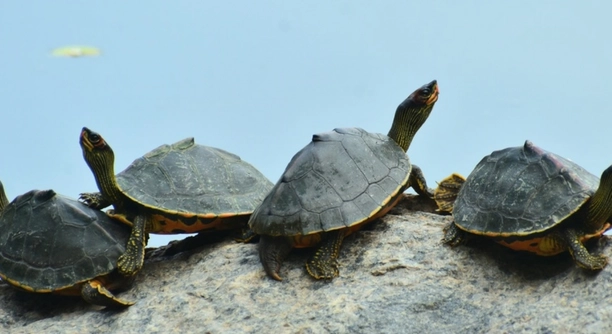
When caring for an Indian Roofed Tortoise, providing the right tank size is crucial. A cramped enclosure can affect their health and growth, making it important to know when a larger space is necessary.
The simplest sign that your tortoise needs a bigger tank is its rapid growth. If the tortoise seems cramped, having less room to move or if it exhibits signs of stress, a larger tank is required to meet its needs.
Providing your tortoise with ample space will ensure they thrive, offering more comfort and a healthier environment for them to grow.
Signs Your Indian Roofed Tortoise Is Outgrowing Its Tank
As your Indian Roofed Tortoise grows, its space needs will change. A cramped tank limits movement, which can affect their overall health. A good indicator that your tortoise needs more space is when it seems to struggle moving around. If it constantly tries to escape or stays in one spot, it may be a sign it’s time for a larger tank. They need room to explore, dig, and feel secure in their environment. A tank that is too small will cause stress and slow growth.
If you notice your tortoise becoming more reclusive or not eating as much, this could also be due to stress from limited space. They should be able to move freely and comfortably without feeling boxed in.
The tank should be large enough to allow for proper heating, a water dish, and places to hide. By upgrading to a bigger tank, you give your tortoise the freedom to thrive and develop in a healthier, less stressful environment.
Choosing the Right Size Tank
Choosing the correct size tank is essential for your tortoise’s well-being. It needs to accommodate their size and activity level.
A 40-gallon tank is ideal for smaller tortoises, but as they grow, consider a larger enclosure. A 75-gallon tank or even an outdoor habitat can provide more space for movement and enrichment.
When to Upgrade the Tank
Your tortoise will outgrow its tank faster than you might expect. If it’s reaching the size of its shell’s full potential, it’s time to make changes. Don’t wait until your tortoise starts showing signs of stress or poor health. It’s better to act early than risk the discomfort of a cramped environment.
Tortoises need space to move and explore. If they can no longer turn around easily, the tank is too small. Ensure the new tank allows for plenty of walking space and room for enrichment items. A larger tank will give them the freedom to behave more naturally, which will positively impact their physical and mental well-being.
A good rule is to increase the tank size by 25% to 30% when your tortoise reaches full growth. A tank that is too small can lead to long-term health issues, including stress and stunted growth. Making sure your tortoise has room to roam is essential for its health.
Environmental Factors to Consider
Heating and lighting are key components in the tank environment. With a larger tank, you’ll need to provide proper heating for the whole space.
If your tortoise is getting too large for its current tank, the environmental conditions could be negatively impacted. Ensure that your heating elements cover enough space to create warm areas, as well as cooler spots for your tortoise to regulate its body temperature. When upgrading the tank, consider the new setup’s ability to provide these conditions across a wider area.
Tank Maintenance with a Larger Enclosure
Larger tanks require more maintenance. With the added space, debris and waste will spread further, and it’s important to stay on top of cleaning. Be prepared for extra work.
You may need to change the water more frequently, clean the tank’s surfaces, and monitor the humidity levels more closely. A larger tank means more places for bacteria to grow, so you’ll need to ensure that the tank remains clean and safe for your tortoise.
Tank Accessories for a Bigger Space
A larger tank offers the chance to add more accessories. You can now include hiding spots, rocks, and even small plants for your tortoise to explore.
Ensure that the new accessories are placed strategically to create a comfortable and enriching environment. Adding a water dish and UVB light source can also support your tortoise’s health and give them a more natural habitat.
FAQ
How do I know if my tortoise needs more space?
If your tortoise seems restless, frequently tries to escape, or doesn’t move around as much, it’s a sign that the tank is too small. A tortoise that’s not able to roam and explore freely may also become stressed, leading to a decrease in appetite or inactivity. If your tortoise’s shell size is nearing the size of the tank, it’s a clear indication that a larger space is needed.
What size tank should I get for my Indian Roofed Tortoise?
For a small to medium-sized Indian Roofed Tortoise, a 40-gallon tank may be sufficient in the beginning. However, as the tortoise grows, you should upgrade to a 75-gallon tank or larger. A larger enclosure offers room for the tortoise to move, access a heat source, and have various areas to explore.
Can I keep my tortoise in an outdoor enclosure?
Yes, an outdoor enclosure can be a great choice for your tortoise, especially in warm climates. Ensure the outdoor space is secure and safe from predators. The enclosure should include areas of shade and sunlight, along with a secure barrier to prevent the tortoise from escaping. An outdoor space provides natural enrichment, allowing the tortoise to enjoy a more varied and spacious environment.
What type of bedding should I use for my tortoise’s tank?
A good bedding choice is essential for your tortoise’s comfort and health. Avoid using sand or gravel, which can cause digestion issues if ingested. Instead, use materials like coconut coir, aspen wood shavings, or shredded paper. These bedding options are absorbent, safe, and easy to clean. Be sure to replace bedding regularly to prevent bacteria build-up.
How often should I clean my tortoise’s tank?
You should clean your tortoise’s tank at least once a week. This includes replacing the bedding, wiping down the tank’s surfaces, and ensuring that the water dish is clean. Additionally, you may need to do a deeper clean every few months to remove stubborn waste and ensure the tank is free from mold and bacteria. Regular cleaning helps maintain a healthy environment for your tortoise.
What temperature should the tank be for my tortoise?
The ideal temperature for your Indian Roofed Tortoise’s tank should range between 75-85°F (24-29°C). Create a temperature gradient with a warm basking area of 90-95°F (32-35°C) and a cooler area for the tortoise to move between. A proper temperature gradient helps your tortoise regulate its body temperature and stay healthy.
Do I need UVB light for my tortoise?
Yes, UVB light is essential for your tortoise’s health. UVB helps them produce vitamin D3, which is vital for calcium absorption and shell health. A UVB light should be placed over the basking area, and you’ll need to replace it every 6-12 months since the UVB rays decrease over time, even if the bulb is still working.
Can my tortoise live without a water dish in its tank?
While tortoises don’t need a large body of water like aquatic turtles, they still require access to a shallow water dish for drinking and soaking. Ensure the dish is shallow enough for your tortoise to step in but not deep enough for them to accidentally drown. Regularly change the water to keep it clean and fresh.
Should I feed my tortoise in the tank?
Feeding your tortoise inside the tank is fine, but it’s important to ensure that the food is clean and free from contaminants. You can also feed your tortoise outside the tank in a separate, clean area to prevent food from mixing with bedding and water. Make sure to remove any uneaten food to keep the environment clean.
What do I do if my tortoise is becoming stressed in a new tank?
If your tortoise is showing signs of stress after moving to a new tank, check for possible causes such as improper temperature, inadequate lighting, or not enough hiding spots. Stress can also result from the change in environment. Give your tortoise some time to adjust and try to mimic the conditions from their previous home to help them settle.
Can I use a glass tank for my tortoise?
Glass tanks are commonly used for reptiles, but they can be limiting for tortoises because they do not offer adequate ventilation. If you choose a glass tank, ensure it has proper ventilation or consider a plastic storage container or wooden enclosure with mesh sides for better airflow. Proper ventilation helps regulate temperature and humidity levels within the tank.
How can I make the tank more interesting for my tortoise?
You can enrich your tortoise’s tank by adding rocks, logs, and hideouts where they can feel secure. Plants, like non-toxic succulents, can also be added for extra enrichment. A varied environment will encourage natural behaviors like climbing and foraging. Be sure that all items in the tank are safe and appropriate for tortoises.
Final Thoughts
When deciding if your Indian Roofed Tortoise needs a bigger tank, consider their size, activity level, and the overall space they have in their current home. As tortoises grow, their living space must also grow to accommodate their needs. A larger tank provides more room for movement, better environmental control, and additional opportunities for enrichment. This will help your tortoise thrive and stay healthy. Keeping their tank size appropriate is one of the most important steps in providing a comfortable environment.
Upgrading to a larger tank doesn’t just mean more space. It also means more responsibility. Larger tanks require more maintenance, more frequent water changes, and more attention to the temperature and humidity levels. You will also need to add new accessories, such as hiding spots or additional basking areas. These additions can help keep your tortoise mentally stimulated and physically active. While these changes may seem like extra work, they are essential to your tortoise’s well-being.
Lastly, it’s important to monitor your tortoise’s behavior and health closely after making any changes to their environment. Stress and discomfort can arise if the new tank setup isn’t quite right, even with more space. It’s crucial to make adjustments as needed, such as ensuring the temperature gradient is correct or the new tank accessories are positioned well. Regular checks on their shell, skin, and appetite will help you catch any potential issues early. With the right tank size and environment, your Indian Roofed Tortoise can enjoy a happier, healthier life.

Hello,
If you enjoy the content that we create, please consider saying a "Thank You!" by leaving a tip.
Every little bit helps us continue crafting quality advice that supports the health, happiness, and well-being of pets around the world, for pets of all shapes, sizes, and species.
We really appreciate the kindness and support that you show us!