
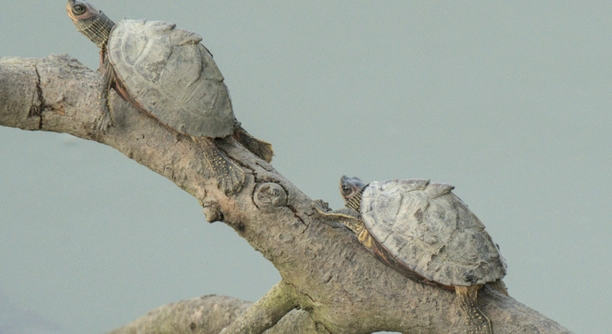
Indian Roofed Tortoises are known for their unique features, but like all reptiles, they can face health challenges. Eye issues are one of the common concerns, often leading to discomfort. Identifying these problems early is key to their well-being.
The most common eye issues in Indian Roofed Tortoises include conjunctivitis, cloudy eyes, swollen eyelids, and discharge. These conditions are typically caused by infections, poor diet, or environmental factors such as humidity or temperature imbalance.
Understanding these eye problems allows you to address them promptly and improve your tortoise’s overall health. Proper care can help prevent long-term complications.
Common Eye Infections in Indian Roofed Tortoises
Indian Roofed Tortoises are prone to eye infections, which are often linked to environmental stressors. These infections typically result in swelling, redness, or discharge. The most common cause is bacterial or viral infections, which can occur from poor living conditions or lack of proper care. Without treatment, these infections can lead to permanent damage.
It’s important to keep their habitat clean and ensure proper humidity levels. The presence of dust or harmful bacteria in their environment can contribute to infections. A balanced diet, rich in essential vitamins, also plays a vital role in maintaining eye health.
Monitoring their eyes regularly can help detect any issues early on. If you notice any changes, it’s best to consult a vet immediately. Treating infections quickly can prevent further complications like vision loss or more severe eye conditions that might require surgery.
Swollen Eyes and Eyelids
Swelling around the eyes is a common issue in tortoises. This can occur due to infections or other health problems.
If the eyelids become swollen or irritated, it could be a sign of an underlying issue such as a respiratory infection or dehydration. The swollen areas should be treated promptly to avoid worsening the condition. In some cases, it may also indicate a deficiency in certain nutrients, like Vitamin A, which is essential for eye health. Keep their living space clean and ensure they have access to fresh, clean water to prevent such issues.
Cloudy Eyes in Indian Roofed Tortoises
Cloudy eyes in tortoises can be a sign of several health problems, including infections or nutritional deficiencies. The condition may appear as a milky or opaque film covering the eye. It can often be traced back to a Vitamin A deficiency, which is common in tortoises with an improper diet.
To treat cloudy eyes, it’s essential to provide a diet rich in Vitamin A. Carrots, dark leafy greens, and other fresh vegetables are beneficial. Regular veterinary check-ups can help detect and treat the condition early, ensuring it doesn’t lead to permanent vision loss. Keeping their habitat at the right temperature and humidity is also crucial for preventing eye problems.
In cases where the eyes remain cloudy despite proper care, further investigation may be necessary. A vet may recommend medication or other treatments. Ensuring they are housed in a clean, dry environment can also reduce the risk of recurring eye issues, allowing them to thrive.
Preventing Eye Issues
Preventing eye problems in tortoises is largely about maintaining good overall health.
A clean and well-maintained habitat, combined with a balanced diet, is the foundation of preventing eye problems. Be sure the enclosure is free from dust and other irritants. Providing fresh water daily also supports their hydration, which is vital for eye health. Regular bathing can help keep their eyes clean and free from debris. Additionally, avoiding sudden temperature or humidity changes will reduce the chances of infections or discomfort.
Eye issues can often be avoided with simple preventive measures. Providing a UVB light source, maintaining a proper diet, and ensuring their living space is free of harmful bacteria are key. Regular observation of your tortoise’s eyes allows you to detect problems early.
Eye Discharge in Indian Roofed Tortoises
Eye discharge in tortoises can indicate an underlying infection or irritation. It can range from clear mucus to yellow or green pus, depending on the severity. If left untreated, discharge can worsen, leading to more significant health issues.
To treat eye discharge, ensure proper cleaning of the tortoise’s enclosure. This prevents bacteria buildup, which can cause infections. Using a saline solution to gently clean their eyes can help reduce discomfort. If the discharge persists, a vet should be consulted to determine the cause and recommend proper medication.
Nutritional Impact on Eye Health
A poor diet can significantly impact the eye health of Indian Roofed Tortoises. Deficiencies in essential nutrients, particularly Vitamin A, can lead to vision problems and other eye issues. Offering a varied diet with dark leafy greens, carrots, and other vegetables is key.
Supplying a balanced diet ensures that your tortoise gets the nutrients needed for proper eye function. Tortoises that lack essential vitamins or eat a diet primarily of high-oxalate foods may experience cloudiness, swollen eyelids, or even permanent damage to their vision. Keep an eye on their diet to avoid these issues.
Maintaining Proper Humidity
Humidity plays a crucial role in preventing eye issues in tortoises. A dry environment can cause their eyes to dry out, leading to irritation and infection. Ensure your tortoise’s habitat is kept at the proper humidity level to support their overall health.
Humidity can be monitored with a hygrometer. A consistent level of humidity prevents dehydration and supports eye function. Use a humidifier or mist their enclosure to maintain the necessary levels, especially in drier climates. Regularly check for signs of eye discomfort and adjust the humidity if needed.
FAQ
How can I tell if my Indian Roofed Tortoise has an eye infection?
Signs of an eye infection include swelling, redness, discharge, or cloudiness. You may also notice your tortoise blinking excessively or having difficulty keeping its eyes open. If these symptoms appear, it’s essential to seek veterinary help for proper diagnosis and treatment.
What causes cloudy eyes in Indian Roofed Tortoises?
Cloudy eyes in tortoises are often caused by Vitamin A deficiency or an eye infection. It can also be a result of environmental factors such as poor humidity or temperature imbalances. Ensuring a balanced diet rich in Vitamin A and a clean, stable habitat can help prevent this issue.
What should I do if my tortoise has eye discharge?
If your tortoise has eye discharge, first clean the area gently with a saline solution. Keep the enclosure clean and ensure the temperature and humidity are appropriate. If the discharge persists or worsens, consult a veterinarian to determine the cause and get proper treatment.
How can I prevent eye problems in my tortoise?
Preventing eye problems requires maintaining a clean and dry habitat, providing a proper diet rich in essential vitamins, and ensuring proper humidity levels. Regular check-ups and monitoring for early signs of eye discomfort can help catch problems before they become severe.
Can a poor diet cause eye problems in tortoises?
Yes, a poor diet can contribute to various health problems, including eye issues. Deficiencies in Vitamin A are common in tortoises that do not have a balanced diet. Including a variety of vegetables such as dark leafy greens and carrots helps provide essential nutrients for eye health.
How often should I clean my tortoise’s eyes?
It’s a good idea to clean your tortoise’s eyes regularly if you notice any discharge or debris. Use a saline solution and gently wipe the area. If you don’t see any signs of eye problems, cleaning them weekly or bi-weekly should suffice. Always monitor for any changes.
Is it necessary to provide UVB light for my tortoise’s eye health?
Yes, UVB light is essential for your tortoise’s overall health, including eye health. UVB light helps them synthesize Vitamin D3, which is crucial for calcium metabolism. A lack of UVB can lead to shell deformities, weakened immune systems, and potential eye issues.
Can humidity affect my tortoise’s eyes?
Humidity plays an important role in preventing eye problems. If the humidity level is too low, your tortoise’s eyes can dry out and become irritated. Maintaining proper humidity helps prevent dry eyes and infections. Using a humidifier or misting the enclosure can keep humidity at the correct level.
How do I know if my tortoise is dehydrated?
Signs of dehydration in tortoises include sunken eyes, dry skin, and lethargy. Dehydration can contribute to eye problems, so it’s important to make sure your tortoise always has access to fresh, clean water. Bathing your tortoise regularly also helps with hydration.
Can I use any eye drops for my tortoise?
You should never use human eye drops for your tortoise. Always consult a veterinarian before using any medication or eye drops, as tortoises require specific treatments. A vet will be able to recommend the right treatment for your tortoise’s condition.
How do I treat swollen eyelids in my tortoise?
Swollen eyelids may indicate an infection, dehydration, or irritation. You can clean the area gently with saline solution, but if the swelling persists, it’s essential to seek veterinary care. The vet may recommend topical or oral antibiotics, depending on the underlying cause.
Can my tortoise’s eye problem heal on its own?
Minor eye issues, such as slight irritation, might improve with proper care and a clean environment. However, more severe conditions, such as infections or Vitamin A deficiencies, usually require treatment. It’s best not to wait and to get a professional diagnosis to avoid complications.
Is it safe to bathe my tortoise if it has eye problems?
Bathing your tortoise in lukewarm water is safe and can help with hydration. It may also relieve any irritation caused by dry eyes. However, avoid using soap or any chemicals that could irritate the eyes further. Regular baths can support their overall health and help with eye healing.
What types of vegetables should I feed my tortoise for healthy eyes?
Leafy greens like kale, collard greens, and dandelion greens are excellent sources of Vitamin A, which is vital for eye health. Carrots and sweet potatoes are also good choices. Offering a varied diet with high-quality vegetables ensures your tortoise receives the proper nutrition to avoid eye problems.
Are there any signs I should watch for to catch eye issues early?
Pay attention to changes such as squinting, discharge, swelling, or cloudy eyes. If your tortoise is rubbing its eyes frequently or seems to have difficulty seeing, these may be signs of an eye issue. Early detection can prevent more serious problems and help maintain eye health.
Can my tortoise recover from eye infections?
Yes, most tortoises can recover from eye infections with proper care. Early intervention, such as antibiotics or appropriate treatment, can significantly improve their condition. It’s essential to provide a clean environment, a balanced diet, and regular monitoring to support their recovery process.
What should I do if my tortoise stops opening its eyes?
If your tortoise refuses to open its eyes, it may be suffering from an eye infection, injury, or irritation. Keep the habitat clean and monitor their temperature and humidity. Seek veterinary attention if the condition persists, as the problem could lead to more severe issues without intervention.
Final Thoughts
Eye issues in Indian Roofed Tortoises can be concerning, but many problems are preventable with the right care. Maintaining a clean and properly maintained habitat is crucial for preventing eye infections and irritation. Regularly checking your tortoise’s eyes for any signs of discharge, cloudiness, or swelling will help you spot potential problems early on. By taking preventive measures and addressing any symptoms quickly, you can help ensure your tortoise remains healthy and comfortable.
Proper nutrition plays an important role in your tortoise’s overall well-being, including eye health. A diet rich in Vitamin A is essential for preventing common eye problems. Providing a variety of dark leafy greens, carrots, and other vegetables high in Vitamin A helps to support healthy vision. Additionally, offering a balanced diet ensures that your tortoise receives all the necessary nutrients for growth, strong immunity, and maintaining optimal health. Without proper nutrition, tortoises may become more susceptible to infections or deficiencies that affect their eyes and other vital functions.
Finally, keeping your tortoise’s environment stable is key to reducing the risk of eye issues. Ensuring the right humidity, temperature, and lighting will help your tortoise thrive. UVB lighting is especially important for their overall health, as it aids in the synthesis of Vitamin D3 and calcium metabolism. Regular baths, hydration, and careful monitoring of your tortoise’s behavior will help prevent dehydration, which can lead to eye problems. By following these simple guidelines, you can provide a healthy environment for your tortoise and give them the best chance for a long, happy life free from eye issues.

Hello,
If you enjoy the content that we create, please consider saying a "Thank You!" by leaving a tip.
Every little bit helps us continue crafting quality advice that supports the health, happiness, and well-being of pets around the world, for pets of all shapes, sizes, and species.
We really appreciate the kindness and support that you show us!