
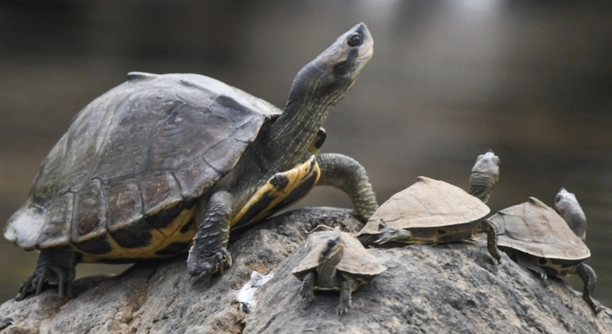
Indian Roofed Tortoises are popular pets that require a proper diet to stay healthy. Knowing what to feed them is essential for their overall well-being. There are several options to choose from, depending on their needs.
The best diet for Indian Roofed Tortoises includes leafy greens, vegetables, fruits, and occasional protein sources. Ensuring a variety of foods in their diet will promote optimal health, providing necessary nutrients and preventing deficiencies or obesity.
A balanced diet will contribute to their longevity and vitality. Understanding what works best for your tortoise ensures its health.
Importance of Leafy Greens
Leafy greens should be the main part of an Indian Roofed Tortoise’s diet. These tortoises are herbivores, and their bodies are designed to process these types of plants. Offering a variety of dark, leafy greens ensures they receive the necessary fiber, vitamins, and minerals. Common options include dandelion greens, collard greens, and kale. The high fiber content in these greens helps support healthy digestion. These greens are also rich in calcium, which is vital for their bone health.
Including a range of greens ensures that your tortoise gets a mix of nutrients. Avoid feeding them greens high in oxalates, like spinach, which can interfere with calcium absorption. You can also rotate the greens to keep the diet interesting and provide a broader spectrum of nutrients. Always wash the greens thoroughly to remove any pesticides that could harm your tortoise.
To support overall health, offering leafy greens in abundance is one of the easiest and most effective ways to feed your tortoise. However, balance them with other foods to avoid nutrient imbalances.
Benefits of Vegetables and Fruits
Vegetables and fruits should also make up a part of their diet. These provide a variety of vitamins, including vitamin A, which is necessary for their immune function. Fruits like melons and papayas can be fed occasionally, but it’s important to limit their sugar content.
While fruits provide hydration, vegetables such as carrots, bell peppers, and squash offer key nutrients and antioxidants. These also help with maintaining a healthy weight.
Protein Sources
Protein plays an important role in the diet of Indian Roofed Tortoises. It supports muscle growth and overall health. However, it should be given in moderation. Overfeeding protein can lead to kidney problems.
You can provide protein through foods like boiled eggs, worms, and certain types of fish. In the wild, they may eat small insects and carrion, but in captivity, offering these protein sources ensures they meet their dietary needs.
Make sure to avoid too much meat. Offering protein once or twice a week is enough for these tortoises. A varied diet ensures they’re getting all the nutrients they need for proper growth.
Hydration
Hydration is crucial for the health of Indian Roofed Tortoises. They need access to fresh water daily. A shallow water dish is ideal so that they can drink without risk of drowning.
You can also provide hydration through moist vegetables and fruits. Hydrating foods like cucumber or watermelon help keep them hydrated, especially in hot weather. Regular water changes prevent the build-up of bacteria and encourage healthy hydration habits.
It’s important to always keep the water clean, as stagnant water can lead to illness. Keep an eye on their water intake to ensure they stay properly hydrated and healthy.
Avoiding Overfeeding
Overfeeding can lead to obesity and health issues in Indian Roofed Tortoises. While they can eat a variety of foods, moderation is key. Offer portions that match their size and activity level.
It’s important to avoid feeding them large amounts of fruits or protein frequently. Both can cause weight gain or digestive problems. A good rule of thumb is to offer small, balanced portions daily, with more leafy greens and fewer high-sugar or high-fat items.
Supplements
While a balanced diet is key, supplements can help fill in any gaps in nutrition. Calcium and vitamin D3 are essential for their bone health.
If their diet lacks enough calcium-rich foods, offering a calcium supplement is a good idea. Dust their food with calcium powder a few times a week to ensure proper bone growth. Additionally, providing UVB lighting will help them absorb calcium more effectively. Be sure to monitor their calcium intake to avoid imbalances.
FAQ
How often should I feed my Indian Roofed Tortoise?
Feed your Indian Roofed Tortoise once a day. It’s important to provide a consistent feeding schedule. Offer small portions of leafy greens, vegetables, and occasional fruits. Protein should be provided once or twice a week in moderation. This daily routine helps mimic their natural foraging behavior and supports overall health.
Can I feed my tortoise only leafy greens?
Leafy greens should make up most of their diet, but variety is important. Along with greens, you should add vegetables, fruits, and occasional protein. A diet consisting solely of leafy greens may lack essential nutrients, so including other food items ensures they receive the balance they need for a healthy life.
What fruits can I feed my tortoise?
Fruits can be a treat but should be fed sparingly due to their sugar content. Suitable options include melon, papaya, and berries. Always remove seeds or pits to avoid choking hazards. Fruits should never be the main component of their diet but can be offered in small amounts once or twice a week.
Can I feed my tortoise vegetables like tomatoes or potatoes?
Avoid feeding your tortoise potatoes or tomatoes regularly. Potatoes, particularly raw ones, contain solanine, which can be toxic to tortoises. Tomatoes in small amounts can be offered, but they should not be a primary food. Stick with safer options like bell peppers, carrots, and squash for regular feedings.
Should I give my tortoise supplements?
Supplements can be beneficial, especially calcium and vitamin D3, to support healthy bone growth. If their diet lacks sufficient calcium-rich foods, dusting their meals with calcium powder once or twice a week helps. UVB lighting is also important for calcium absorption. Always monitor the amount of supplement to avoid over-supplementation.
How can I ensure my tortoise stays hydrated?
Indian Roofed Tortoises need access to clean water every day. Providing a shallow water dish is essential, and you should change the water daily. Hydration can also come from moisture-rich foods, like cucumber and watermelon. These additional hydration sources help prevent dehydration, particularly in hot weather.
Can I feed my tortoise flowers or plants from my garden?
Be careful when feeding your tortoise plants from your garden. Not all flowers or plants are safe. Avoid any plants that have been treated with pesticides or chemicals. Safe options include dandelions, hibiscus flowers, and clover. Always research or verify if a plant is safe for tortoises before offering it to them.
What should I do if my tortoise isn’t eating?
If your tortoise is refusing to eat, first check its environment. Make sure the temperature, humidity, and lighting are adequate. Stress from changes in habitat or improper conditions can cause loss of appetite. If the problem persists, consider consulting a vet to rule out any underlying health issues.
Can I feed my tortoise spinach or lettuce?
Lettuce can be fed occasionally, but it should not be the main part of their diet. It contains minimal nutrients and can cause diarrhea in some cases. Spinach, while nutritious, contains oxalates, which interfere with calcium absorption. It’s best to feed spinach in moderation and as part of a varied diet.
How do I avoid overfeeding my tortoise?
Overfeeding can lead to obesity and health problems in tortoises. To avoid this, monitor portion sizes and ensure they receive a balanced diet. Stick to offering the right amount of leafy greens, vegetables, and occasional treats. Adjust their food intake based on their activity level to prevent overfeeding.
Can I feed my tortoise insects or worms?
Yes, offering insects like mealworms or earthworms can be beneficial for protein, but it should be done in moderation. Too much animal protein can cause health problems. Feeding insects once or twice a week is sufficient. Always ensure they are properly sourced and free from pesticides or harmful chemicals.
Final Thoughts
Caring for an Indian Roofed Tortoise involves providing a balanced and varied diet that includes leafy greens, vegetables, occasional fruits, and protein in moderation. Hydration is just as important as food. A clean water dish should be available daily, and incorporating moist fruits and vegetables into their meals helps with hydration. Offering the right foods in the right amounts is key to supporting their overall health and well-being.
While a proper diet is crucial, it’s also important to avoid overfeeding. Too much food, especially fruits and protein, can lead to weight gain and digestive issues. Regularly adjusting the portions based on your tortoise’s activity level can help prevent overfeeding. Additionally, providing appropriate supplements such as calcium can support bone health and prevent deficiencies. Proper UVB lighting also plays a role in helping them absorb essential nutrients.
Pay attention to the signs of health issues, such as loss of appetite or changes in behavior. Always ensure their environment is suitable, with the right temperature and humidity. If any concerns arise, consulting with a vet can provide insight into their specific dietary needs. Maintaining a balanced diet and ensuring proper care will lead to a healthy, thriving Indian Roofed Tortoise.

Hello,
If you enjoy the content that we create, please consider saying a "Thank You!" by leaving a tip.
Every little bit helps us continue crafting quality advice that supports the health, happiness, and well-being of pets around the world, for pets of all shapes, sizes, and species.
We really appreciate the kindness and support that you show us!