
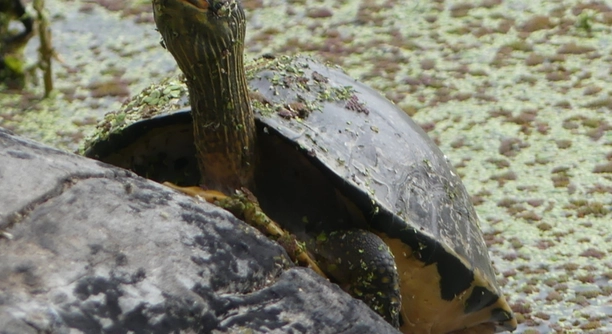
Indian Roofed Tortoises are fascinating creatures, known for their calm demeanor and unique dietary habits. However, not all foods are safe for them. Some foods can cause harm, leading to health issues.
Certain foods can be dangerous for Indian Roofed Tortoises, potentially causing digestive problems, toxicity, or other health complications. It is important to know which foods should be avoided to keep these reptiles healthy and safe.
Avoiding these foods is crucial to ensure the well-being of your tortoise. Knowing what is safe and what is not will help provide a balanced, nutritious diet for your pet.
Foods High in Oxalates
Certain foods that are high in oxalates should be avoided when feeding your Indian Roofed Tortoise. Oxalates can interfere with calcium absorption, leading to kidney problems and other serious health issues. Plants like spinach, beet greens, and rhubarb are rich in oxalates and should never be included in their diet. These foods can lead to the formation of kidney stones or other complications that could endanger their health. Even though these may seem like healthy plant options, their high oxalate content makes them unsuitable for tortoises. The best practice is to avoid them entirely.
The high oxalate content in certain foods can prevent your tortoise from properly absorbing necessary nutrients, especially calcium. This can lead to bone and shell problems over time.
When preparing food for your tortoise, always opt for greens like dandelion leaves or clover that are low in oxalates. These provide a healthy and safe source of nutrition for your pet without the risk of nutrient imbalances. Always research the specific needs of your tortoise and avoid any plant that could potentially harm its well-being. Keeping a balanced and suitable diet is key to ensuring a long and healthy life for your reptile companion.
Avocado
Avocados contain a substance called persin, which can be toxic to tortoises. This can cause breathing difficulties, swelling, or even death if consumed in larger amounts. Though not all animals are affected, it is best to avoid feeding avocados to your Indian Roofed Tortoise. Even small amounts could lead to serious issues.
Feeding your tortoise avocado can lead to sudden health problems, including digestive upset or even organ failure. It is always safer to stick to foods that are known to be safe and nutritious for tortoises. Instead, try offering safer alternatives like leafy greens or grasses that are more in line with their natural diet.
If you’re unsure whether a food is safe for your tortoise, it’s always a good idea to do a bit of research. There are many other fruits and vegetables that can be offered instead, like papaya or strawberries, which are safe in moderation. Just make sure to avoid anything that could harm your pet, like avocado, to keep it healthy and happy.
Iceberg Lettuce
Iceberg lettuce is often seen as a harmless snack, but it offers very little nutrition for your Indian Roofed Tortoise. It is mostly water, which can lead to digestive issues if eaten in large quantities. It’s not harmful in small amounts, but it shouldn’t be a regular part of their diet.
Instead of iceberg lettuce, offer more nutritious leafy greens like kale, collard greens, or dandelion leaves. These provide better fiber, vitamins, and minerals, which are important for your tortoise’s health. Regularly feeding iceberg lettuce could lead to malnutrition over time.
Feeding your tortoise a variety of leafy greens will help support its digestive system and provide the necessary nutrients for healthy growth. Remember that variety is key to a balanced diet. Don’t rely on iceberg lettuce or other low-nutrition foods. Stick to better alternatives to keep your tortoise thriving.
Dairy Products
Dairy products, such as cheese or milk, should never be fed to your Indian Roofed Tortoise. They cannot properly digest lactose, which can lead to severe stomach upset and discomfort. Dairy offers no nutritional benefits for tortoises and can cause long-term digestive issues.
Tortoises are not designed to process dairy, and giving them these foods could result in unnecessary health complications. Stick to plant-based foods that are suited to their digestive system, like leafy greens, fruits, and flowers. This will help ensure your pet stays healthy and avoids any potential digestive troubles.
FAQ
Can Indian Roofed Tortoises eat fruits?
Yes, Indian Roofed Tortoises can eat some fruits, but they should only be given in moderation. Fruits like strawberries, papaya, and melons are safe options, but sugary fruits should be limited. Too much sugar can lead to digestive problems and obesity. Always remove seeds and pits from the fruits before offering them to avoid choking hazards. A balanced diet with plenty of leafy greens should be prioritized over fruit.
Is it okay to feed my tortoise cooked food?
It’s best to avoid cooked food. Indian Roofed Tortoises are herbivores that thrive on raw, fresh vegetation. Cooking food can destroy important nutrients, making it less beneficial. Raw foods like fresh greens, flowers, and weeds are the most natural and nutritious options. Stick to foods they would eat in the wild.
Are all vegetables safe for my tortoise?
Not all vegetables are safe for Indian Roofed Tortoises. Vegetables like potatoes, tomatoes, and onions should be avoided due to their potential toxicity. It’s also important to avoid giving them too much of certain vegetables like kale or broccoli, as they can interfere with calcium absorption. Stick to leafy greens, dandelions, and grasses for a safe diet.
Can my tortoise eat flowers?
Yes, Indian Roofed Tortoises can eat certain flowers, but make sure they are non-toxic. Flowers like hibiscus, dandelions, and nasturtiums are safe and can provide a fun, natural treat for your tortoise. Avoid flowers from plants that are known to be harmful, like lilies or chrysanthemums, as they can cause digestive upset or even poisoning.
How often should I feed my tortoise?
Indian Roofed Tortoises should be fed daily, but the quantity depends on their size and age. Juvenile tortoises require more frequent feedings, while adults can eat once every day or every other day. Make sure to provide a variety of fresh, leafy greens, and offer fruits and flowers as treats occasionally. Monitor their eating habits to ensure they aren’t overeating or undernourished.
Can I feed my tortoise processed foods or pellets?
Processed foods, including pellets, should be given sparingly, if at all. They can be low in the necessary nutrients and high in fillers. While some specially made tortoise pellets may be beneficial as an occasional supplement, it’s important to focus on fresh, whole foods. A diet made up of raw vegetables, fruits, and weeds is the best way to ensure your tortoise gets the nutrients it needs.
Should I give my tortoise supplements?
Supplementing with calcium and vitamins is often necessary, especially for indoor tortoises that don’t get natural sunlight. A calcium supplement is crucial to prevent shell deformities and bone problems. However, it’s important to use supplements correctly—too much can lead to other health issues. Always consult with a veterinarian before adding any supplements to your tortoise’s diet.
Are there any foods that are toxic to my tortoise?
Yes, several common foods can be toxic to Indian Roofed Tortoises. Foods like avocado, iceberg lettuce, chocolate, and rhubarb should be avoided. These foods can cause severe health problems, such as kidney damage or digestive upset. Always research any new food before introducing it to your tortoise, and stick to known safe options.
Can I feed my tortoise wild plants?
You can feed your tortoise wild plants, but make sure they are not from areas that may have been sprayed with pesticides or chemicals. Wild plants like dandelions, clover, and plantain are great additions to their diet. However, avoid collecting plants from roadsides or areas with potential chemical exposure. Always ensure the plants are safe and non-toxic before offering them.
How much water does my tortoise need?
Indian Roofed Tortoises need fresh water available at all times. They may not drink much water directly, but they will absorb moisture from their food. Provide a shallow dish of water that they can easily access for drinking and soaking. Soaking them in warm water a few times a week can also help keep them hydrated and support digestion. Always ensure the water is clean and fresh.
Final Thoughts
Caring for an Indian Roofed Tortoise means providing a balanced and safe diet to ensure its health and well-being. Many foods can be offered to them, but it’s essential to understand which ones should be avoided to prevent potential harm. By knowing which foods are safe and which can be toxic, you can help keep your tortoise healthy for many years. While it may seem like some foods are harmless, even small amounts of the wrong food can cause long-term damage. It’s always safer to stick to a diet made up of fresh, natural plant-based foods that mimic their diet in the wild.
In addition to food, it’s also important to consider other aspects of your tortoise’s care. Access to clean water, regular soaking to aid hydration, and proper enclosure conditions are all essential for their overall health. Your tortoise’s environment should be suitable for its size, and it should have a space to roam and explore. These factors play a large role in ensuring that your pet is living a comfortable and healthy life. Along with their diet, providing an enriched environment helps maintain their natural behaviors and activity levels.
Lastly, always keep in mind that each tortoise is unique. What works for one may not work for another, so it’s crucial to monitor your tortoise’s health and behavior regularly. If you’re ever in doubt about any aspect of their care, whether it’s diet, behavior, or health concerns, consulting with a vet who specializes in reptiles is a good idea. The more informed you are, the better you can provide a safe and enjoyable life for your Indian Roofed Tortoise. By paying attention to their needs, you’ll be ensuring they have a long, happy life with you.

Hello,
If you enjoy the content that we create, please consider saying a "Thank You!" by leaving a tip.
Every little bit helps us continue crafting quality advice that supports the health, happiness, and well-being of pets around the world, for pets of all shapes, sizes, and species.
We really appreciate the kindness and support that you show us!