
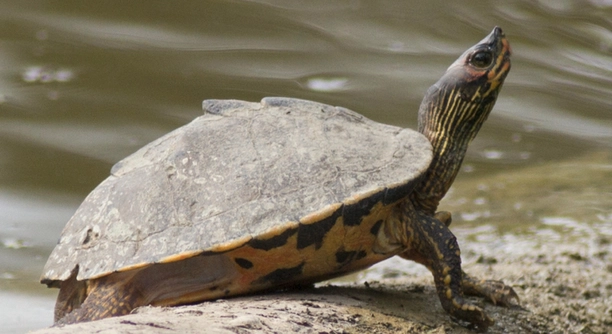
A suitable bedding option is essential for the comfort and well-being of your Indian roofed tortoise. The right material will help maintain a clean environment and support their natural behavior. Let’s explore the best options.
The ideal bedding for an Indian roofed tortoise should be absorbent, non-toxic, and mimic natural conditions. Materials like coconut coir, aspen shavings, and orchid bark are excellent choices, as they provide proper humidity control and a natural feel for the tortoise.
Choosing the right bedding for your tortoise is essential for both their health and happiness. In the following sections, we will break down the top options and explain how each one benefits your pet.
Coconut Coir: Natural and Hygienic Bedding
Coconut coir is a popular bedding choice for tortoises because it’s absorbent, natural, and safe. It keeps the enclosure clean by absorbing moisture and waste. This material is also gentle on the tortoise’s feet, promoting natural behaviors like burrowing. It helps regulate humidity, which is important for the tortoise’s health.
Coconut coir is available in compressed blocks, which expand when wet, making it easy to store and handle. It is eco-friendly and offers a natural, earthy feel in the enclosure.
However, it’s important to make sure the coir is thoroughly cleaned before use to avoid mold growth. Regularly replacing or cleaning the bedding helps maintain hygiene and prevent any odor. Coconut coir also offers a solid base for the tortoise to roam and engage in instinctual activities, which keeps them happy and active. It’s a straightforward choice that’s both practical and comfortable for your tortoise.
Aspen Shavings: A Safe and Clean Option
Aspen shavings are another great option for tortoises. These shavings are soft, absorbent, and non-toxic, making them ideal for reptiles.
Aspen shavings are an excellent bedding choice for those looking for something simple and easy to clean. They offer excellent moisture absorption, ensuring the enclosure remains dry and comfortable for the tortoise. It is a lightweight option, which makes cleaning and replacing it effortless.
One of the biggest advantages of aspen shavings is its ability to keep odors at bay. It provides a clean and fresh environment while maintaining a natural feel. While it’s suitable for most tortoises, it’s crucial to make sure the shavings are finely cut to avoid the risk of irritation. Like coconut coir, regular changes are recommended to keep the enclosure hygienic and free of pests. Overall, aspen shavings are a convenient and reliable choice.
Orchid Bark: A Natural, Aesthetic Choice
Orchid bark is a unique bedding option for your Indian roofed tortoise. It creates a natural look, offering an environment that’s similar to the tortoise’s native habitat. Orchid bark is lightweight, absorbent, and does not easily mold, making it an ideal choice for humidity control. It mimics the tortoise’s natural environment, providing opportunities for burrowing.
The main benefit of orchid bark is its aesthetic appeal. It has a fine texture that mimics the forest floor, enhancing the overall appearance of the tortoise’s habitat. Additionally, orchid bark provides excellent drainage, preventing moisture from accumulating and creating an unhealthy environment for your pet.
While it’s not as absorbent as coconut coir or aspen shavings, orchid bark still does a good job of keeping the humidity levels balanced, which is important for the tortoise’s health. You should still change the bedding regularly, as it can break down over time. Orchid bark works well in combination with other bedding materials for a layered approach to care.
Grass Hay: A Comfortable Layer for Tortoises
Grass hay is an affordable and natural bedding option for tortoises. It’s soft and provides a comfortable surface for them to walk and rest on.
Grass hay is easily available and can be placed in the enclosure to provide extra comfort for your tortoise. It has a soft texture that encourages resting and lounging, offering a simple way to create a natural feel within the enclosure.
While grass hay offers comfort, it is less absorbent than other options like coconut coir or aspen shavings. As a result, it’s often combined with other bedding materials to help with moisture absorption. It’s also crucial to monitor hay for mold, which can develop if it gets too damp. However, when used correctly, grass hay can be an effective and low-maintenance addition to your tortoise’s bedding setup. It’s a great choice for those looking for a natural, affordable option that works well alongside other bedding materials.
Reptile Carpet: Easy to Clean and Reusable
Reptile carpet is a simple, reusable bedding option. It’s made of durable materials, making it easy to clean and maintain. It offers a flat surface that doesn’t interfere with your tortoise’s movements, allowing them to roam freely without getting stuck.
While reptile carpet is easy to clean, it doesn’t offer the same natural feel as other bedding options like coconut coir or aspen shavings. It lacks the ability to absorb moisture, so it’s important to spot clean the area frequently. The carpet can be washed and reused multiple times, which makes it cost-effective. However, it’s essential to check for wear and tear, as damaged carpet can create a less-than-ideal environment.
Some tortoises may not prefer the texture of reptile carpet, as it’s less natural than organic bedding. It’s best used in combination with other bedding materials to ensure a comfortable and functional setup. With proper care, reptile carpet can last a long time and is a great alternative for owners looking for easy maintenance.
Paper-based Bedding: Affordable and Safe
Paper-based bedding, such as shredded newspaper or recycled paper pellets, is a cheap, safe option for tortoise enclosures.
It is an affordable choice that absorbs moisture well and is easy to replace. Paper-based bedding is lightweight and soft, offering a comfortable surface for your tortoise to move around. It’s an eco-friendly choice, especially if you choose recycled paper options. It’s also non-toxic, which makes it safe for your pet.
However, it’s not the most aesthetically pleasing bedding, and it may need to be changed more frequently than other materials. Some types of paper bedding can become compacted, which could affect air circulation and create an unhealthy environment. Despite this, it offers a good, budget-friendly solution for those who don’t want to spend much on bedding. Regular cleaning and changing of paper-based bedding can help maintain a fresh environment.
Sand: Natural, but Requires Care
Sand can mimic your tortoise’s natural environment, but it comes with challenges. It’s important to choose the right type, like calcium sand, to avoid potential health issues.
Sand needs to be kept dry and regularly sifted to avoid bacteria growth. It’s also essential to monitor your tortoise to ensure it doesn’t ingest too much sand, which can cause digestive problems.
Straw: A Comfortable, Lightweight Option
Straw bedding offers a comfortable and lightweight surface for tortoises. It’s soft and provides a natural look for the enclosure.
However, straw isn’t as absorbent as other materials, and it may need to be replaced frequently. It can also break down quickly, leading to potential issues with hygiene if not managed carefully.
FAQ
What is the best bedding for an Indian roofed tortoise?
The best bedding for an Indian roofed tortoise is one that is absorbent, non-toxic, and easy to clean. Coconut coir, aspen shavings, and orchid bark are all great options. These materials provide comfort, moisture control, and mimic the natural environment of your tortoise. The choice ultimately depends on your preference for aesthetics and ease of maintenance.
Can I use sand as bedding for my tortoise?
Yes, sand can be used, but it requires careful management. Calcium sand is a safe option, but it should be kept dry and free of bacteria. Monitor your tortoise to ensure they don’t ingest too much sand, as it can cause digestive problems. It’s best used in combination with other bedding types to ensure proper care.
How often should I change my tortoise’s bedding?
The bedding should be changed every 1-2 weeks, depending on the material and how quickly it absorbs moisture. For materials like coconut coir or aspen shavings, you should remove soiled areas and replace them regularly. Materials like reptile carpet can be cleaned and reused, but check for any damage or wear.
Is reptile carpet safe for tortoises?
Yes, reptile carpet is generally safe for tortoises. It is non-toxic, easy to clean, and provides a stable surface for your tortoise to move around. However, it lacks natural features like burrowing options and moisture absorption. It’s best used with other bedding materials that offer these qualities.
Can I use shredded paper or newspaper as bedding?
Shredded paper or newspaper can be used as bedding, and it’s an affordable option. Recycled paper is eco-friendly, non-toxic, and absorbs moisture well. However, it can break down quickly, and some paper types can become compacted, affecting airflow. Change it regularly to avoid any hygiene issues.
Is straw a good choice for tortoise bedding?
Straw can be a comfortable and lightweight bedding choice, but it isn’t as absorbent as other options. It can also break down quickly, leading to potential hygiene concerns. If you choose straw, make sure to replace it frequently and monitor its condition to ensure it remains a suitable environment for your tortoise.
How do I maintain the right humidity for my tortoise?
Maintaining proper humidity is important for your tortoise’s health. Coconut coir and orchid bark are great choices for bedding because they help regulate humidity levels. Ensure your tortoise’s enclosure has a humidity level between 50-70%. You can achieve this by misting the enclosure or using a humidity gauge. Keep the bedding moist but not wet, and make sure to clean up excess moisture regularly.
Can I use wood chips or pine bedding?
Wood chips or pine bedding should be avoided, as they can cause respiratory problems and are often treated with chemicals that are harmful to reptiles. Cedar bedding is also not recommended due to its toxic properties. Stick to safe, non-toxic materials like aspen shavings, coconut coir, or orchid bark.
What should I do if my tortoise ingests bedding?
If your tortoise accidentally ingests bedding, it’s important to monitor them closely. Small amounts may pass through their system without issue, but larger amounts can cause blockages or digestive problems. If you notice signs of discomfort or difficulty passing waste, consult a vet immediately for guidance.
Should I add a layer of bedding or just one type?
Layering different types of bedding can help create a more comfortable environment for your tortoise. For example, you might use a base layer of coconut coir for moisture absorption and add a top layer of grass hay or aspen shavings for texture and comfort. The combination can mimic their natural habitat and provide the benefits of each material.
Can bedding affect my tortoise’s health?
Yes, the bedding you choose can impact your tortoise’s health. Poor bedding can lead to skin irritation, respiratory issues, or improper humidity levels, which can cause health problems. Always ensure the bedding is non-toxic, absorbent, and easy to clean. Regularly check for mold, waste, and excess moisture to maintain a healthy environment.
How do I prevent odors in my tortoise’s enclosure?
To prevent odors, keep the bedding clean and replace it regularly. Materials like aspen shavings and coconut coir have natural odor-absorbing properties, which can help keep the enclosure fresh. Be sure to spot clean any waste daily and change the bedding completely every 1-2 weeks, depending on the material used.
Is there a bedding that helps with digestion?
While bedding can’t directly help with digestion, some tortoises may benefit from eating small amounts of bedding material like grass hay. This is part of their natural diet and can aid in digestion. However, it’s important to choose non-toxic bedding and ensure that your tortoise isn’t ingesting harmful amounts.
What are the signs of unsuitable bedding for my tortoise?
Signs of unsuitable bedding include excessive moisture buildup, unpleasant odors, or the bedding breaking down too quickly. If your tortoise seems stressed or uncomfortable, such as avoiding certain areas of the enclosure or developing respiratory problems, it may be time to switch to a different bedding material. Always ensure the bedding is clean, dry, and free of contaminants.
Choosing the right bedding for your Indian roofed tortoise is an important part of their care. The bedding should provide comfort, promote natural behaviors, and help maintain a clean environment. Coconut coir, aspen shavings, and orchid bark are some of the best choices. Each material offers its own set of benefits, from moisture control to ease of cleaning. It’s essential to pick the one that fits your needs and your tortoise’s preferences. Some tortoises may prefer one texture over another, so it’s good to observe how they respond to different options.
It’s also important to regularly clean and replace bedding to ensure your tortoise’s habitat remains healthy. Bedding materials like coconut coir or aspen shavings need to be changed every few weeks, while reptile carpets can be washed and reused. Maintaining proper humidity and cleanliness in the enclosure will also support the overall well-being of your tortoise. Adding a few extra layers, like hay or grass, can also provide additional comfort and mimic the natural environment of your pet. Ensure the bedding is always free from mold, pests, or excess moisture to avoid any health problems.
Finally, the bedding should always be safe for your tortoise. Avoid using materials like cedar or pine, as they can be harmful to reptiles. Stick to natural, non-toxic options to prevent respiratory issues or other health problems. Each tortoise is unique, and their bedding needs may change over time, so it’s important to remain flexible and make adjustments as needed. With the right bedding, your Indian roofed tortoise will have a comfortable, safe, and natural environment to thrive in.

Hello,
If you enjoy the content that we create, please consider saying a "Thank You!" by leaving a tip.
Every little bit helps us continue crafting quality advice that supports the health, happiness, and well-being of pets around the world, for pets of all shapes, sizes, and species.
We really appreciate the kindness and support that you show us!