
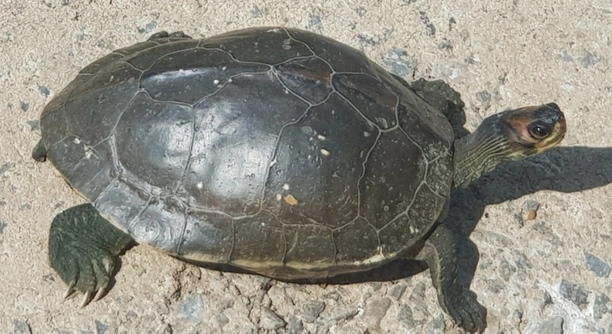
If you’ve noticed your Indian Roofed Tortoise frequently looking up, you may wonder what causes this unusual behavior. It can be both curious and concerning, especially if you’re unsure whether it’s a sign of something serious or just normal activity.
The most likely reason your Indian Roofed Tortoise looks up is due to its instinctive behavior to observe its surroundings. Tortoises are naturally inclined to watch for potential threats or sources of food, and this can include the sky above.
Understanding why your tortoise does this will help you create a better environment for it, ensuring its well-being and comfort.
Why Does My Indian Roofed Tortoise Look Up?
If your Indian Roofed Tortoise keeps staring upward, it’s important to understand that this behavior is usually harmless. Tortoises are naturally curious creatures, and they spend a lot of time exploring their surroundings. Looking up is part of their instinct to stay alert to potential threats or sources of food. In the wild, they would use this behavior to spot aerial predators or other environmental changes. While this might seem strange, it’s just your tortoise trying to make sense of the world around it. Additionally, they are often just adjusting to new sights, like bright lights or reflections, that catch their attention.
This behavior is a sign of a healthy and alert tortoise. It’s not unusual for them to spend hours observing their surroundings, ensuring they remain aware of what’s happening above them. As long as there are no other concerning symptoms, this action is typically normal.
Your tortoise’s habitat might also influence how much time it spends looking upward. If it’s in an area with high ceilings or open spaces, it could be that your tortoise is drawn to the open sky. Also, certain lighting in the room might make it more likely to look up frequently. Understanding these factors will help you create an ideal environment for your pet.
Potential Causes of Excessive Looking Up
Sometimes, it’s not just curiosity that leads to upward gazing. Tortoises might look up more often if something in their environment is making them feel unsafe. A change in lighting, loud noises, or even unfamiliar movements could cause your tortoise to stay on high alert. It is essential to check their habitat for any sudden changes, such as new items, different people, or external sounds that could trigger this behavior. If your tortoise is in an area with fluctuating temperatures, this could also contribute to their unease.
Understanding your tortoise’s routine and the stability of its surroundings is key to helping it feel secure. If the tortoise continues to look up or shows signs of distress, consider making adjustments to their environment to reduce stress.
Environmental Factors Affecting Your Tortoise’s Behavior
Changes in your tortoise’s environment can greatly impact its behavior. A sudden shift in temperature, lighting, or humidity can cause your tortoise to react by looking up. It might be trying to adjust to its surroundings or stay alert for potential threats. Additionally, overcrowded or too-small enclosures can make your tortoise feel stressed, prompting this gaze.
The quality of light in the room could also be a factor. Bright, overhead lighting often catches a tortoise’s attention, causing it to constantly look upward. If you notice your tortoise staring at the ceiling or any light sources, it may simply be trying to figure out the source of this disturbance. Similarly, natural sunlight streaming through windows might draw your tortoise’s attention to the sky, especially if it’s used to an environment with less light.
Consider monitoring how changes in the room affect your tortoise’s activity. Moving items around or altering the light may reduce the time spent looking up. If it’s spending too much time in one spot, try changing the setup to offer more space and less confusion.
Adjusting Your Tortoise’s Habitat
If you notice your tortoise constantly looking upward, it’s important to make sure its habitat is as comfortable and stable as possible. A proper enclosure with consistent temperature and humidity levels will help reduce stress. Tortoises are sensitive to their environment, and even small changes can cause them to feel uneasy. Proper lighting, temperature control, and hiding spots for security can make a huge difference in their behavior.
Ensure that your tortoise has enough room to move around comfortably. If the habitat is too small, it can lead to stress and cause excessive looking upward. A larger enclosure can encourage natural exploration, allowing the tortoise to focus more on its surroundings. Additionally, providing a variety of textures and hiding spots can help reduce the tortoise’s need to constantly scan the area for potential threats.
Diet and Health Considerations
A poor diet can contribute to abnormal behavior in your tortoise. If it isn’t getting the right nutrients, it may become more anxious or confused. Ensure that your tortoise has a balanced diet that includes leafy greens, vegetables, and occasional fruits.
Lack of proper nutrition can also weaken its immune system, making it more susceptible to stress or illness. A healthy tortoise will be more likely to engage in normal activities, like exploring its surroundings, instead of staring at the ceiling. Make sure to avoid overfeeding and focus on offering fresh, clean food.
Understanding Natural Instincts
Tortoises have natural instincts that sometimes cause them to behave in ways that might seem unusual. Their ancestors had to stay vigilant to survive, keeping a constant lookout for predators. While your pet is safe at home, these instincts still drive some of its behavior, including looking up.
This behavior isn’t always a sign of distress. It’s simply an inherited trait to stay aware of their surroundings. Understanding these instincts can help you realize that your tortoise’s actions are often a normal part of its nature.
When to Seek Veterinary Help
If your tortoise’s behavior seems extreme or it stops eating, it might be time to visit the vet. A sudden shift in its behavior could indicate an underlying health issue. A veterinarian will help diagnose any potential health problems and provide recommendations for treatment.
FAQ
Why does my tortoise keep looking at the ceiling?
Your tortoise may be looking at the ceiling due to its natural instinct to stay alert. It could be responding to environmental factors such as light, shadows, or changes in the room. Tortoises have keen vision and may notice things above them, which is a normal behavior. They might also be curious about the source of light or noise, which could be causing them to focus their attention upward.
Should I be concerned if my tortoise is always looking up?
If your tortoise spends a significant amount of time looking up and doesn’t seem to engage in other activities, it might be a sign of discomfort or stress. It’s important to check if there are any environmental factors contributing to this behavior, such as improper lighting or temperature. However, if your tortoise is eating, moving, and behaving normally, there’s usually no need to worry. Keep an eye on its overall well-being and make sure its habitat is comfortable.
Can my tortoise get sick from looking up all the time?
Constantly looking up by itself is not harmful to your tortoise. However, if this behavior is caused by stress, poor health, or environmental discomfort, it can lead to other health issues. If your tortoise shows signs of illness, such as lack of appetite, lethargy, or abnormal behavior, it’s a good idea to consult a veterinarian to rule out any underlying health problems.
How can I make my tortoise feel more comfortable?
To help your tortoise feel more at ease, ensure its habitat is spacious, clean, and has appropriate lighting and temperature. Tortoises are sensitive to their environment, so avoid sudden changes or overcrowding. Providing hiding spots and allowing your tortoise to move freely in its enclosure can reduce stress. A balanced diet with proper nutrients will also contribute to its overall comfort.
What are the signs of a stressed tortoise?
A stressed tortoise may exhibit behaviors such as excessive hiding, lack of appetite, lethargy, or constant pacing. If your tortoise is frequently looking up, but also showing other signs of stress, it could indicate that something in its environment is causing discomfort. It’s important to adjust its habitat and monitor its health closely.
Can lighting affect my tortoise’s behavior?
Yes, lighting plays a crucial role in a tortoise’s behavior. Tortoises are drawn to light sources, especially bright overhead lights. This could explain why your tortoise keeps looking upward. If you notice your tortoise staring at a light source, consider adjusting the lighting in its habitat to create a more balanced environment. Natural sunlight is ideal, but make sure the tortoise is not exposed to direct, harsh lighting for long periods.
Is it normal for a tortoise to look up when it’s outside?
When outside, tortoises may look up as part of their natural behavior to scan for predators. This is a survival instinct they inherited from their wild ancestors. Tortoises often look for signs of danger in the sky, such as birds of prey. This behavior is entirely normal and part of their instinct to stay alert.
How can I prevent my tortoise from looking up all the time?
If your tortoise seems to be looking up excessively, try to adjust its environment. Ensure that its habitat has enough space and natural elements for exploration. If there are overhead lights or reflections causing the upward gaze, try to minimize them. Providing your tortoise with a more secure, stable environment may reduce the need for constant alertness.
What is the best temperature for a tortoise’s enclosure?
Tortoises need a consistent temperature to stay healthy. The temperature in their enclosure should be between 75-85°F (24-29°C) during the day and slightly cooler at night. If the temperature is too high or too low, it can lead to stress and behavior changes, such as excessive looking up. Be sure to use a reliable thermometer to monitor the temperature.
Can my tortoise’s diet cause unusual behavior?
Yes, an improper diet can lead to health issues that affect your tortoise’s behavior. A lack of essential nutrients, such as calcium and fiber, can make your tortoise weak or lethargic. This could contribute to unusual behavior like excessive gazing or lack of movement. Ensure your tortoise has a balanced diet with the proper nutrients for its species.
How can I tell if my tortoise is healthy?
A healthy tortoise should be active, alert, and eating regularly. Its shell should be smooth and free from cracks, and it should be able to move around without difficulty. If your tortoise is constantly looking up and also showing signs of illness, such as loss of appetite or lethargy, it may require a check-up from a veterinarian.
Why does my tortoise stare at me?
Tortoises may stare at you because they are curious or trying to communicate. While it’s not a sign of affection like it is in some animals, your tortoise may be observing you out of interest. It could also be waiting for food or wondering if you are a source of something it wants, like attention or treats.
Final Thoughts
Understanding why your Indian Roofed Tortoise keeps looking up can help you ensure its well-being. While it may seem unusual, this behavior is often linked to the tortoise’s natural instincts or environmental factors. Tortoises are naturally curious and vigilant creatures, so looking up can be their way of staying alert to their surroundings. They may be responding to light sources, shadows, or sounds, which triggers this behavior. Recognizing that this is part of their nature can offer reassurance that it’s not necessarily a sign of something wrong.
However, it’s also important to monitor your tortoise for other signs of distress or illness. If your tortoise is constantly looking up and showing signs like lack of appetite, lethargy, or abnormal behavior, it could be indicating that something in its environment is causing stress or discomfort. This could be due to factors such as improper lighting, temperature issues, or inadequate nutrition. Ensuring a well-balanced environment with appropriate light, heat, and food is essential to your tortoise’s health. Regularly checking for changes in behavior and overall health can help you address any concerns early on.
In the end, while your tortoise’s tendency to look up may seem odd at first, it’s typically a harmless behavior. Providing a comfortable and well-maintained habitat will go a long way in reducing stress and supporting your tortoise’s overall health. By paying attention to its needs, you can make sure your tortoise feels secure and is able to thrive. If the behavior persists or other health concerns arise, consulting with a veterinarian can provide peace of mind and ensure your pet is in good shape.

Hello,
If you enjoy the content that we create, please consider saying a "Thank You!" by leaving a tip.
Every little bit helps us continue crafting quality advice that supports the health, happiness, and well-being of pets around the world, for pets of all shapes, sizes, and species.
We really appreciate the kindness and support that you show us!