
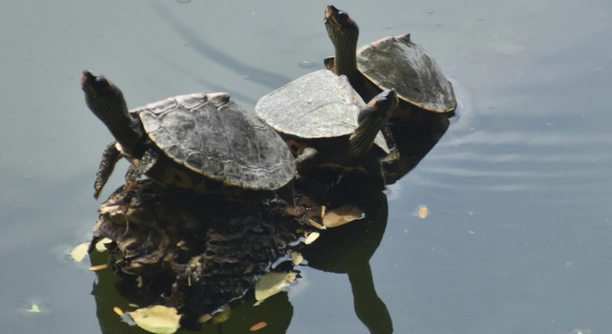
Overfeeding your Indian roofed tortoise can lead to various health issues. Identifying the signs of overfeeding is important for its well-being. Understanding the proper diet and portion sizes helps maintain a healthy lifestyle for your pet.
Overfeeding an Indian roofed tortoise can cause weight gain, lethargy, and shell deformities. The primary cause of overfeeding is offering too much high-calcium or high-protein food, leading to imbalance and strain on their internal organs.
By recognizing early signs of overfeeding, you can help your tortoise maintain a healthy diet and lifestyle.
Signs Your Tortoise May Be Overfed
Overfeeding can lead to several noticeable signs in your Indian roofed tortoise. You may see your tortoise becoming sluggish or even avoiding movement. When a tortoise is overfed, it may gain weight rapidly, which could affect its mobility. A sudden change in behavior or difficulty in retracting its head into the shell can also be a red flag. Shell deformities, like bulging or soft spots, may occur as well, and this is often linked to an unhealthy diet.
It’s important to monitor their weight regularly. If your tortoise becomes overly round or sluggish, you may want to adjust its feeding schedule. A healthy tortoise should remain active and should not show signs of weight gain unless it’s due to natural growth.
Overfeeding can also cause metabolic bone disease, which leads to a weakened shell. Proper nutrition is crucial to maintaining your tortoise’s health. If you notice any of these symptoms, take action to correct their diet and portion sizes immediately.
How to Manage Feeding Portions
Proper portion control is key when feeding your tortoise. Ensure you’re providing the right amount of food and avoid offering too much at once.
Feeding your tortoise a balanced diet of leafy greens, vegetables, and occasional fruits will keep it healthy. Stick to a routine and adjust portion sizes based on age, size, and activity level. Always remove any uneaten food to prevent overconsumption.
Understanding Proper Diet for Your Tortoise
A balanced diet is essential for maintaining your tortoise’s health. It should primarily consist of leafy greens, such as dandelion leaves, kale, and mustard greens. Limit fruit intake as too much sugar can contribute to obesity. Offer a variety of vegetables and occasional flowers to keep meals interesting.
Feeding your tortoise a consistent diet prevents the risk of overfeeding. Avoid high-protein foods like animal-based proteins, as they can cause kidney problems and other issues. A good mix of dark leafy greens and safe plants ensures your tortoise gets the nutrients it needs without overloading on calories. Portion control is crucial here to avoid excess fat buildup.
Make sure your tortoise has access to clean, fresh water daily. Dehydration can lead to issues such as urinary tract infections and lethargy. Consider adding calcium powder to their diet to support shell and bone health. These small steps can make a significant difference in your tortoise’s overall well-being.
Importance of Regular Activity
Regular movement is essential for your tortoise’s health. Without enough physical activity, your tortoise can become obese, leading to serious health problems. Encourage your tortoise to move around in a safe, enclosed area with space to roam.
Creating an active environment for your tortoise is simple. Set up an enclosure with obstacles such as rocks or branches that encourage climbing or walking. You can also take your tortoise outside in a safe, controlled environment. Be mindful of weather conditions to ensure they don’t get too hot or cold. Regular activity helps them build muscle and maintain a healthy weight.
Providing opportunities for your tortoise to roam keeps its mind and body active. Over time, your tortoise will become more engaged, and its risk of obesity or related issues will decrease. Regular exercise helps maintain a healthy lifestyle for your pet.
Monitoring Your Tortoise’s Weight
Regularly weigh your tortoise to track its weight. A steady weight over time indicates a healthy feeding routine. If your tortoise’s weight increases too quickly, it may be a sign that you’re overfeeding.
Use a small, reliable scale to monitor your tortoise’s weight every few weeks. This helps you adjust its diet as needed, ensuring it stays at a healthy size.
Adjusting Diet for Growth Stages
As your tortoise grows, its dietary needs change. Younger tortoises require more protein and calcium for proper growth, while adults need fewer proteins and more fiber.
Gradually reduce protein intake as your tortoise matures. This helps prevent overfeeding and supports its long-term health. Older tortoises may also need more calcium to maintain shell strength.
Reducing Risk of Overfeeding
Overfeeding can lead to metabolic disorders or obesity, affecting your tortoise’s overall health. Ensure you’re offering proper portions based on size and activity level.
Make sure your tortoise’s diet consists mostly of leafy greens and fiber, avoiding high-calcium or protein-rich foods unless necessary. By monitoring portion sizes, you reduce the risk of overfeeding.
FAQ
How do I know if I’m overfeeding my tortoise?
If your tortoise is gaining weight rapidly, moving less, or showing signs of lethargy, it could be overfed. A healthy tortoise should remain active and not show significant weight gain unless it’s due to growth. Monitor its behavior and adjust portions if necessary.
Can overfeeding cause shell problems?
Yes, overfeeding can lead to shell deformities. When tortoises are fed excessively, especially with too much protein or calcium, it can strain their body and cause soft spots or bulging in the shell. This is why portion control is so important.
What should I do if my tortoise is overweight?
If your tortoise is overweight, reduce its food intake and increase its activity levels. Offer more leafy greens and fewer fruits. Also, ensure that it’s getting proper exercise, as a sedentary tortoise will gain weight quickly. Consider consulting a vet for further advice.
How often should I feed my tortoise?
You should feed your tortoise once a day, adjusting the portion size based on its age, size, and activity level. Younger tortoises may need more frequent feedings, while adults can eat once daily. Keep track of how much your tortoise eats to avoid overfeeding.
Can I feed my tortoise fruit every day?
It’s best to limit fruit consumption. While tortoises enjoy fruit, it’s high in sugar and should only be given in moderation. Too much fruit can contribute to obesity and digestive issues. Stick to offering fruit once or twice a week to keep their diet balanced.
What vegetables are best for my tortoise?
Leafy greens are the best vegetables for your tortoise. These include dandelion greens, kale, mustard greens, and collard greens. You can also offer other veggies like zucchini, squash, and bell peppers. Avoid vegetables like spinach and lettuce that are low in nutrients.
Can I feed my tortoise protein-rich foods?
Tortoises generally don’t need high-protein foods unless they’re growing. Overfeeding protein can cause kidney and metabolic issues. In the wild, tortoises eat mostly plants, so stick to leafy greens and vegetables. If your tortoise is young, it may need some protein, but it should be limited.
Should I offer calcium supplements to my tortoise?
Yes, calcium supplements are often necessary for tortoises, especially for those that aren’t getting enough from their diet. Sprinkling calcium powder on their food a few times a week will help support bone and shell health. Make sure to avoid over-supplementing, as too much calcium can be harmful.
How much water should my tortoise drink?
Tortoises need fresh water daily. They may not drink as much as some other pets, but access to water is still essential for hydration. Always provide a shallow water dish that’s easy for your tortoise to access. Hydration supports digestion and prevents urinary tract problems.
Can I feed my tortoise the same food every day?
Variety is important in a tortoise’s diet. Feeding them the same food daily can lead to nutrient imbalances. Offer a range of vegetables, leafy greens, and safe plants to ensure they receive all the necessary nutrients. A varied diet also keeps meals interesting.
What is the best way to control my tortoise’s weight?
Control your tortoise’s weight by monitoring food portions and ensuring it gets regular exercise. Provide a healthy balance of vegetables, leafy greens, and limited fruit. Don’t overfeed, and adjust portions as needed. Regular weight checks will help you stay on top of any changes.
Is it safe to let my tortoise roam outside?
Yes, but only in a secure, safe area. Make sure the environment is free of predators and toxic plants. Keep your tortoise in a controlled space to prevent it from wandering off or getting into trouble. Be mindful of temperature, as extreme heat or cold can harm your tortoise.
What should I do if my tortoise stops eating?
If your tortoise stops eating, it could be a sign of stress, illness, or an improper diet. Check for any changes in its environment that could be causing stress, such as temperature fluctuations. If the problem persists, consult a vet to rule out any medical conditions.
How can I prevent my tortoise from becoming obese?
Prevent obesity by feeding the right portions and ensuring your tortoise has enough space for regular movement. Stick to a diet rich in leafy greens and low in fruits. Overfeeding and lack of exercise are the main causes of obesity, so manage both carefully.
Should I feed my tortoise by hand?
Feeding by hand is okay, but it should be done in moderation. Hand-feeding encourages bonding but can also lead to overfeeding if not controlled. Make sure to offer the proper portions and avoid giving excessive amounts of food at once, even if your tortoise seems eager.
What are the risks of overfeeding a baby tortoise?
Overfeeding a baby tortoise can lead to rapid growth, causing stress on its developing organs and skeleton. It can also increase the risk of obesity and metabolic bone disease. Provide small portions and feed baby tortoises more frequently but with appropriate food for their size and age.
What is the best enclosure for my tortoise?
A proper enclosure provides enough space for your tortoise to move around. Make sure the environment is safe, secure, and offers access to both sunlight and shade. Include places for your tortoise to hide or rest, and always maintain proper humidity and temperature levels.
Can my tortoise eat flowers?
Many flowers are safe for tortoises, but make sure they’re non-toxic. Flowers like dandelions, hibiscus, and nasturtiums can be a healthy treat for your tortoise. Avoid flowers that may have been treated with pesticides or chemicals. Always check if the flower is safe before offering it.
Final Thoughts
Caring for your Indian roofed tortoise requires attention to detail, especially when it comes to feeding. Overfeeding can lead to health problems such as obesity, shell deformities, and digestive issues. By understanding their dietary needs and monitoring their behavior, you can prevent overfeeding and maintain a healthy balance in their diet. Regularly checking their weight and activity levels will help you spot potential issues early, ensuring your tortoise remains healthy and active. Additionally, providing a variety of foods, including leafy greens, vegetables, and safe fruits, will help meet their nutritional requirements.
If you notice any signs of overfeeding, such as lethargy, weight gain, or changes in behavior, it’s important to adjust their diet and feeding routine. Reducing portion sizes, offering more fiber-rich foods, and limiting high-calcium or protein-rich foods can help. If your tortoise is overweight, consider giving it more space for exercise, either indoors or outside in a secure environment. This will encourage movement and help them burn off excess calories. It’s also a good idea to consult with a veterinarian if you’re unsure about your tortoise’s diet or if they show signs of distress.
By following these simple guidelines, you can keep your Indian roofed tortoise in good health. Remember that every tortoise is unique, and their needs may vary depending on factors such as age, activity level, and health conditions. With proper care and attention, your tortoise can live a long, healthy life, free from the risks associated with overfeeding.

Hello,
If you enjoy the content that we create, please consider saying a "Thank You!" by leaving a tip.
Every little bit helps us continue crafting quality advice that supports the health, happiness, and well-being of pets around the world, for pets of all shapes, sizes, and species.
We really appreciate the kindness and support that you show us!