
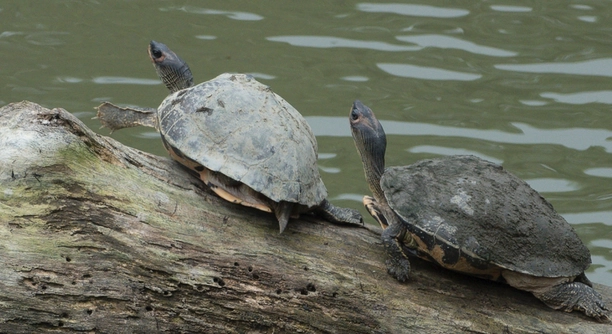
The Indian Roofed Tortoise is a fascinating pet, but caring for it requires attention to its health, especially its shell. A cracked shell can be a serious issue for these turtles, so it’s important to take preventive steps.
To prevent cracking, proper habitat conditions are essential. The shell of an Indian Roofed Tortoise is sensitive to environmental stress, including humidity, temperature, and nutrition. Ensuring a balanced diet, proper humidity levels, and avoiding sudden changes in temperature will help maintain shell health.
By understanding these factors, you can provide a safe and comfortable environment for your tortoise. This will help prevent shell damage and promote long-term well-being.
Providing the Right Habitat Temperature
One of the most crucial factors in keeping an Indian Roofed Tortoise healthy is maintaining the proper temperature. If the habitat is too hot or too cold, it can cause stress to the tortoise and lead to shell problems. Ideally, the basking area should be around 90°F (32°C), while the cooler side of the habitat should stay between 75-85°F (24-29°C). Gradients in temperature help mimic the natural environment and allow the tortoise to regulate its body temperature.
Maintaining the correct temperature is especially important for young tortoises since their shells are more delicate and prone to cracking.
A temperature gradient ensures that the tortoise can move between areas of warmth and cooler spots. This helps them digest food properly, maintain a healthy immune system, and reduce the risk of shell-related issues like cracking.
Humidity Levels and Shell Health
Humidity plays a vital role in keeping the Indian Roofed Tortoise’s shell healthy. The correct humidity level helps keep their skin hydrated and the shell properly formed. It should be maintained at about 50-70% in their enclosure. Too low humidity can cause the tortoise’s shell to become dry, brittle, and more prone to cracks.
In addition to humidity, misting the enclosure or using a humidity box can help maintain optimal moisture levels. When these conditions are met, the tortoise will thrive, and its shell will be less susceptible to damage.
Proper Diet for Stronger Shells
A balanced diet is key for maintaining the health of an Indian Roofed Tortoise’s shell. Providing a variety of leafy greens, vegetables, and fruits ensures they receive the right nutrients to support shell growth. Calcium-rich foods like kale, dandelion greens, and clover are essential for shell development.
Feeding your tortoise a proper diet helps prevent shell deformities and cracking. It’s also important to include calcium supplements in their diet. This prevents softening of the shell and promotes solid growth. Avoid feeding too much fruit, as it can throw off their calcium-to-phosphorus ratio, which could impact shell health.
Maintaining a consistent feeding schedule and offering fresh food will also keep your tortoise active and healthy. Fresh food prevents your tortoise from becoming malnourished, which could lead to shell issues over time. Avoid feeding processed or sugary foods that can harm your tortoise’s overall well-being.
Avoiding Stress
Stress can directly impact your tortoise’s health and lead to shell problems. Handling your tortoise too much or too roughly can cause emotional distress, which affects its physical condition. Keeping the environment quiet, safe, and consistent reduces stress.
Additionally, providing an area for the tortoise to hide, such as a shelter or a safe corner in its habitat, allows it to retreat when it feels threatened. This space reduces anxiety and contributes to a healthier, more balanced life.
When tortoises are stressed, they can become more susceptible to illnesses and injuries, including cracks in their shells. Reducing stress helps your tortoise stay healthy and prevents these problems from developing.
Keeping the Shell Clean
A clean shell is important for the overall health of your tortoise. Gently wipe down the shell regularly using a soft cloth to remove dirt and debris. This helps prevent the buildup of bacteria that could cause infections or shell damage.
A clean shell also allows for better absorption of UV light, which is crucial for shell and bone health. Just make sure you don’t scrub too hard, as it could cause unnecessary stress. Keep an eye out for any signs of injury or cracking when cleaning.
UVB Lighting
UVB lighting is crucial for your tortoise’s shell health. In their natural habitat, tortoises get UVB exposure from the sun, which helps them synthesize vitamin D3. This vitamin is necessary for calcium absorption, which strengthens the shell.
Without proper UVB lighting, your tortoise could develop shell problems, including softening or cracking. Make sure your tortoise’s enclosure has a UVB light to simulate natural sunlight. Replace the light regularly, as its effectiveness can decrease over time.
Proper Habitat Size
A cramped living space can lead to stress and hinder the growth of your tortoise’s shell. Make sure your tortoise has enough room to move around freely. A larger habitat encourages exercise, which is essential for a healthy shell.
Allowing your tortoise to roam and stretch out keeps its body active, which supports overall health and shell development. Make sure your enclosure is spacious enough for your tortoise to move comfortably without feeling restricted.
FAQ
What causes an Indian Roofed Tortoise’s shell to crack?
Several factors can contribute to shell cracking, including environmental stress, improper diet, and inadequate humidity levels. If the tortoise is exposed to fluctuating temperatures or is not getting the right nutrients, the shell may become brittle and more prone to damage. Poor handling or rough treatment can also cause physical injury, leading to cracks.
How do I know if my tortoise’s shell is healthy?
A healthy shell should be firm and smooth without any cracks, soft spots, or discoloration. The shell should also be symmetrical and not overly thin or thick. Regular check-ups and proper care, including the right diet and humidity, will help maintain shell health.
Can my tortoise’s shell repair itself if it cracks?
Minor cracks may heal on their own over time, especially if proper care is provided. However, deep or severe cracks require veterinary attention. The shell’s growth rate and the tortoise’s health will determine how well the damage heals.
How can I prevent my tortoise’s shell from cracking?
Maintaining a consistent and ideal environment is key. Ensure the tortoise has access to appropriate temperatures, humidity, and UVB lighting. Provide a balanced diet, including calcium-rich foods, and avoid handling the tortoise roughly. Stress reduction and regular cleaning also play important roles in prevention.
What do I do if my tortoise’s shell cracks?
If you notice a crack, it’s best to seek veterinary help. A vet can assess the damage and recommend treatment, which may involve bandaging or more advanced care. Keeping the tortoise in a calm, clean environment will prevent further complications while healing.
Can stress affect my tortoise’s shell?
Yes, stress can have a negative impact on your tortoise’s health and shell. Stress weakens their immune system and can contribute to physical problems like shell deformities or cracking. Ensure your tortoise’s environment is stable, and avoid unnecessary handling or exposure to loud noises.
Should I use calcium supplements for my tortoise?
Calcium supplements can be beneficial, especially if your tortoise’s diet is lacking in natural calcium-rich foods. It is essential for shell health and bone growth. Be cautious with the dosage, as too much calcium can lead to health problems, including kidney issues.
How often should I clean my tortoise’s shell?
You should clean your tortoise’s shell regularly, but not excessively. Wipe it down gently with a soft cloth to remove dirt, algae, and debris. Over-cleaning can irritate the shell, so aim to clean it once a week or when necessary.
What type of bedding is best for my tortoise’s habitat?
Choose bedding that promotes a clean and dry environment. Aspen shavings, coconut coir, and orchid bark are good options. Avoid cedar and pine shavings, as they can be harmful to reptiles. Make sure the bedding is deep enough for burrowing and absorbent to control moisture.
How much space does an Indian Roofed Tortoise need?
Indian Roofed Tortoises require a large, spacious enclosure. At a minimum, their enclosure should be 4 feet by 2 feet for one adult tortoise. A larger space allows them to roam freely, which supports physical activity and healthy shell development.
Can I handle my tortoise every day?
While you can handle your tortoise, it’s important not to overdo it. Too much handling can cause stress and may lead to shell issues. Limit handling to short periods and always handle them gently. Make sure they have a safe, comfortable space to retreat when needed.
What happens if my tortoise doesn’t get enough UVB light?
Without proper UVB light, your tortoise may develop vitamin D3 deficiency, which affects calcium absorption. This can lead to shell deformities, softening, or cracking. UVB light is essential for their overall health, so make sure to provide it in their enclosure.
How do I ensure my tortoise gets enough exercise?
Exercise is important for a tortoise’s health and shell growth. Provide a spacious area with opportunities for movement. Encourage foraging and climbing within the enclosure, and if possible, offer supervised outdoor time in a safe, enclosed space to help them stay active.
Can a tortoise’s shell regrow if it’s damaged?
The shell does not regenerate in the same way that other body parts might. However, with proper care, the damaged area may heal or grow over time. Deep or extensive damage, however, may require professional veterinary care to manage.
How long does it take for a tortoise’s shell to heal?
The healing time for a tortoise’s shell depends on the severity of the damage and the tortoise’s overall health. Minor cracks may take a few weeks to heal, while more severe injuries could take several months. Proper care during this time is essential for recovery.
What temperature should my tortoise’s habitat be?
Maintain a temperature gradient in the enclosure. The basking area should be around 90°F (32°C), while the cooler side should range between 75-85°F (24-29°C). This allows your tortoise to regulate its body temperature naturally. Avoid sudden temperature fluctuations, as they can cause stress and health problems.
How do I prevent my tortoise from getting dehydrated?
Make sure your tortoise always has access to clean water. A shallow dish is ideal, as it allows the tortoise to drink and soak. Regular misting of the enclosure helps maintain proper humidity, which aids in hydration. Monitor for signs of dehydration, such as dry skin or lethargy.
Can my tortoise live outside?
Indian Roofed Tortoises can live outside in certain climates, provided they have a secure, escape-proof enclosure. Ensure that the environment is safe, free from predators, and offers access to shade, water, and UVB light. Always supervise outdoor time to prevent potential hazards.
What type of food should I feed my tortoise to keep its shell healthy?
Offer a variety of leafy greens, such as dandelion greens, collard greens, and kale. Include other vegetables like squash, carrots, and bell peppers. Limit fruit and avoid feeding high-oxalate foods like spinach and rhubarb, which can interfere with calcium absorption.
Final Thoughts
Taking care of an Indian Roofed Tortoise requires attention to detail, especially when it comes to their shell health. Shell cracking can be caused by various factors such as improper diet, stress, or environmental conditions. By understanding the reasons behind shell cracks and implementing the right measures, you can help prevent damage and ensure your tortoise lives a healthy, happy life. Proper care, including a balanced diet, the right environmental conditions, and regular monitoring, is essential for maintaining the tortoise’s overall well-being.
Providing your tortoise with an appropriate habitat and diet is the foundation of good shell health. Ensuring that they have access to UVB light, proper humidity, and a variety of calcium-rich foods can go a long way in preventing shell problems. In addition, handling your tortoise gently and avoiding unnecessary stress will support their overall physical health. Regular checkups with a veterinarian who specializes in reptiles are also recommended to catch any potential issues early and treat them before they become serious.
If your tortoise’s shell is damaged or cracked, it’s important to seek professional care. While minor cracks might heal over time, severe injuries require immediate veterinary attention to avoid complications. Keep in mind that prevention is always better than treatment, and maintaining a stable and healthy environment will go a long way in avoiding shell problems. By following these simple steps and paying attention to their needs, you can provide your Indian Roofed Tortoise with a safe and comfortable life.

Hello,
If you enjoy the content that we create, please consider saying a "Thank You!" by leaving a tip.
Every little bit helps us continue crafting quality advice that supports the health, happiness, and well-being of pets around the world, for pets of all shapes, sizes, and species.
We really appreciate the kindness and support that you show us!