
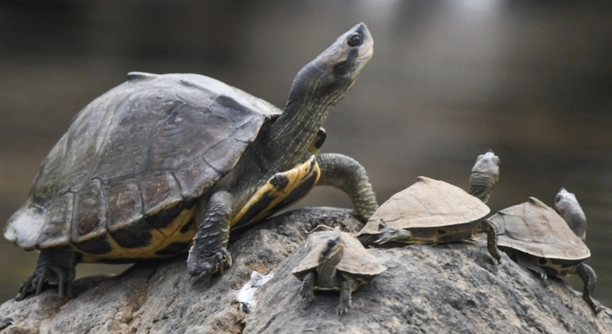
Indian Roofed Tortoises are fascinating creatures, but sometimes their behavior can raise concerns. If you’ve noticed your tortoise scraping its feet, you may be wondering what’s behind this curious action. Let’s explore the reasons why.
Indian Roofed Tortoises often scrape their feet as a natural behavior, sometimes due to environmental stress or discomfort. It could also be related to shedding or an instinctive action to mark territory or explore their habitat.
Understanding this behavior will help you address any potential issues your tortoise may be facing and ensure they stay healthy and content.
Why Is Scraping Normal for Tortoises?
Scraping feet is a common behavior in Indian Roofed Tortoises. It’s a natural instinct that can happen for various reasons. One of the main causes is simply the way they explore their environment. Tortoises have strong legs and claws, which they use for digging or marking territory. They might scrape their feet against surfaces like rocks or dirt as part of their normal routine. It can also be a way of shedding old skin, especially if they are in the process of growing. The scraping sound you hear might not always indicate a problem but a sign of healthy behavior in their habitat.
Sometimes, scraping can also be a way for them to relieve discomfort. They might scrape to adjust the position of their feet or body, especially after being in one spot for too long. It can also be part of their effort to find food, which involves a lot of searching and scratching at surfaces.
Tortoises are known for their calm demeanor and slow movements, but their behavior can tell you a lot about how they’re feeling. If they’re scraping, it’s usually just part of their routine. However, it’s important to monitor how frequently it occurs and if it seems to cause them any distress. If they’re scraping excessively or showing signs of injury, there could be an underlying issue like skin irritation or an issue with the enclosure’s surface.
When Scraping Becomes a Concern
If your tortoise is scraping its feet often, it could also point to something more serious. They may be reacting to discomfort caused by an unclean or unsuitable living space.
A clean and well-maintained habitat is essential for their overall well-being. Indian Roofed Tortoises prefer a space that mimics their natural surroundings. If the floor of their enclosure is rough or has sharp edges, it could lead to foot scraping. On the other hand, if their environment is too slippery, they might scrape their feet to adjust their footing. It’s important to check for any potential hazards in their enclosure, such as sharp rocks or unclean surfaces, that could be causing them distress.
Another factor that could cause scraping is improper humidity levels. Tortoises need the right balance of humidity to help with their shedding process. If they are shedding more than usual and not able to scrape the old skin off properly, this might cause them to scrape their feet more frequently. An environment that is too dry or too moist could affect their natural shedding cycle, leading to discomfort.
Make sure to monitor their behavior closely and ensure their habitat is appropriate. If the scraping continues, it might be time to visit a vet to rule out any potential health concerns.
Enclosure Conditions and Scraping Behavior
If your tortoise is scraping its feet, the problem may lie in the conditions of its enclosure. A rough or uncomfortable surface can trigger scraping behavior. Check to ensure there aren’t sharp objects or rough rocks that could be irritating their feet.
Indian Roofed Tortoises naturally live in areas with soft, sandy ground or dense vegetation. If the flooring in their habitat doesn’t mimic this, it can lead to discomfort. Using substrate like coconut fiber, soil, or a mixture of sand can create a more comfortable environment for your tortoise. Ensure the surface isn’t too hard or too slippery, which might cause them to struggle with walking. Too much traction can also lead to excessive scraping.
Humidity is another aspect to consider. Tortoises need a balanced level of humidity to maintain healthy skin and shed naturally. If the enclosure is too dry, it can cause skin issues, and the tortoise may scrape its feet more to relieve irritation. Maintaining the proper humidity and temperature levels will keep your tortoise comfortable, reducing the chances of scraping behavior linked to the habitat conditions.
Health Issues and Scraping
Sometimes scraping can be a result of health problems, such as skin irritation or infections. If your tortoise has rough or irritated skin on its feet, it may scrape to alleviate the discomfort.
Check for any signs of injury, swelling, or redness on your tortoise’s feet. If they seem overly sensitive or are limping, it might indicate a more serious issue like a fungal infection or skin abrasion. Tortoises, especially those kept in enclosures with poor hygiene, can develop these problems. Bacteria or parasites can also contribute to foot health issues, making the scraping more frequent. Regular checks for cuts, sores, or abnormal growths can help prevent these from escalating.
Another health concern is poor shedding. If a tortoise is shedding excessively or unevenly, it may try to scrape off the skin in the process. Make sure your tortoise is shedding correctly by monitoring its skin for signs of retained shedding. If the scraping doesn’t improve or if there are signs of infection or injury, it’s time to take your tortoise to a vet for a professional check-up.
Diet and Scraping Behavior
An imbalanced diet can also cause scraping. If your tortoise isn’t getting enough nutrition, it might scrape its feet due to discomfort or a lack of energy. Ensure they have a balanced diet that includes the right amount of vegetables, fruits, and protein.
Indian Roofed Tortoises need a variety of food to stay healthy. Lack of calcium or certain vitamins can result in weaker bones, which might cause them to move in a way that triggers scraping. Feeding them the proper mix of leafy greens, flowers, and occasional fruits supports their health and reduces any potential discomfort that might lead to scraping.
Stress and Scraping
Tortoises can scrape their feet as a response to stress. If there are sudden changes in their environment or daily routine, they may feel unsettled and use scraping as a way to cope.
Stressful environments, like loud noises or other animals in the same space, can cause this behavior. Make sure your tortoise’s environment is calm and free from disruptions. Having a designated hiding spot and keeping their space consistent will help them feel secure and reduce stress-related behavior like scraping.
FAQ
Why is my tortoise scraping its feet against the glass?
Scraping against the glass can be a sign that your tortoise is trying to explore its environment. Tortoises are naturally curious, and if they feel restricted, they might scrape the sides of their enclosure in an attempt to move. It could also indicate frustration if their space is too small or if they don’t have enough enrichment. Make sure their enclosure is spacious enough for them to roam, with areas for hiding, climbing, and foraging. Adding more natural objects like rocks or logs can help them feel more secure and reduce the glass scraping behavior.
Can scraping feet be a sign of injury?
Yes, scraping can be linked to injury, especially if your tortoise’s feet are sore or damaged. Check their feet for signs of cuts, swelling, or discoloration. If their scraping seems excessive or they’re limping, it could point to foot injuries. Injuries can happen from sharp objects or rough surfaces in their habitat. If you suspect injury, clean the area gently and monitor for infection. If you notice signs of infection or the injury persists, a vet visit is needed.
How can I prevent my tortoise from scraping its feet?
To prevent excessive scraping, first ensure that your tortoise’s enclosure is set up properly. The floor should have soft, comfortable surfaces like coconut coir, soil, or a sand mixture. Avoid sharp rocks or plastic that could cause irritation. Additionally, regular cleaning of the enclosure will reduce the chances of infection. Providing hiding spots, plants, and different textures can help your tortoise feel more secure and reduce the tendency to scrape out of stress or frustration.
What does it mean if my tortoise is scraping its feet frequently?
Frequent scraping can indicate discomfort, stress, or a health issue. If your tortoise is scraping its feet often, it could be trying to shed skin or dealing with rough surfaces in its enclosure. Another reason for frequent scraping could be an irritation or discomfort caused by an improper diet or environmental conditions. Monitor your tortoise’s behavior closely. If the scraping doesn’t stop or worsens, it’s important to inspect the habitat for any hazards, check their skin for issues, and ensure they are getting the right food and hydration.
Is scraping feet a sign of shedding?
Scraping feet can be a sign that your tortoise is shedding. Tortoises naturally shed their skin, and during this process, they may scrape their feet to help remove old skin or loosen it. This is especially common during warmer months or after they’ve grown. It’s important to maintain a balanced humidity level in their enclosure to help them shed properly. If you notice shedding that doesn’t seem to be coming off naturally, it could cause irritation, and you may need to assist them in shedding.
How do I know if my tortoise is scraping due to stress?
Tortoises are sensitive to changes in their environment, and stress can lead to behaviors like scraping. If the scraping seems to occur after a recent change, like a move to a new enclosure or the introduction of a new animal, stress might be the cause. Other signs of stress can include reduced appetite, lethargy, or hiding more often than usual. To reduce stress, try to create a calm and secure environment for your tortoise. Maintain a consistent routine, avoid loud noises, and ensure that the enclosure provides ample space.
Can poor diet cause my tortoise to scrape its feet?
A poor diet can contribute to discomfort, which may cause your tortoise to scrape its feet. If they are lacking in essential nutrients, particularly calcium, their bones and muscles may weaken. This could make them more likely to scrape or move awkwardly. A balanced diet with a variety of leafy greens, vegetables, and occasional fruits will help prevent this. If your tortoise isn’t eating properly or seems to be losing weight, consider adjusting their diet or consulting with a veterinarian to ensure they’re getting the right nutrients.
What should I do if my tortoise’s scraping behavior seems excessive?
If the scraping becomes excessive or persistent, it’s important to investigate the cause. Check the conditions of the enclosure first—ensure that there are no sharp objects, rough surfaces, or anything that could be irritating their feet. Next, examine your tortoise’s health. If the scraping is linked to skin issues or injuries, provide appropriate care and consider seeing a vet. If everything looks fine with the environment and your tortoise’s health, but the behavior continues, stress or discomfort might still be the issue, and further adjustments to their routine or diet may be needed.
Is it normal for my tortoise to scrape after waking up?
It’s normal for tortoises to engage in some form of scraping when they wake up. They might use this time to stretch, adjust their body, and get moving after a period of inactivity. However, if the scraping is excessive or seems linked to discomfort, it might be a sign that something in their environment is off. Make sure that the enclosure is comfortable with proper temperature and humidity levels. It’s also important to check if your tortoise is shedding, as this could contribute to the scraping behavior after waking.
Can I do anything to stop my tortoise from scraping against the walls of the tank?
If your tortoise is scraping against the walls, it could be a sign that they’re feeling cramped or bored. Providing a larger space, or adding more environmental enrichment, can help address this. You can also place plants, hiding spots, and rocks in their enclosure to give them more areas to explore. Ensure the tank has the proper substrate and texture to help your tortoise feel secure and reduce the likelihood of scraping the walls. This behavior is often a sign of frustration, so improving their living conditions can reduce it.
Final Thoughts
If your Indian Roofed Tortoise is scraping its feet, it’s important to look at all possible causes. Scraping can be part of their natural behavior, especially when they are trying to explore or mark territory. Tortoises are curious animals, and they often scrape their feet to dig, find food, or adjust their position. If the scraping is not excessive and your tortoise seems healthy overall, there is usually no cause for concern. However, it’s always good to observe them closely and ensure their habitat is comfortable and safe.
On the other hand, scraping could also be a sign of discomfort or an environmental issue. If your tortoise is constantly scraping or showing other signs of stress, such as lethargy or loss of appetite, it may indicate something wrong with its living conditions or health. Checking the enclosure for rough or slippery surfaces, ensuring proper humidity and temperature levels, and making sure the diet is well-balanced can all help prevent problems. A well-maintained, enriched environment will reduce the chances of scraping becoming a frequent or troubling behavior.
If you’ve ruled out environmental factors and health concerns, regular monitoring and proper care will ensure that your tortoise remains happy and healthy. Tortoises can live a long life when they are provided with the right habitat and nutrition. If the scraping persists or worsens despite addressing all environmental factors, it’s a good idea to seek advice from a veterinarian who specializes in reptiles. Taking the time to carefully evaluate your tortoise’s needs will help keep them comfortable and thriving for years to come.

Hello,
If you enjoy the content that we create, please consider saying a "Thank You!" by leaving a tip.
Every little bit helps us continue crafting quality advice that supports the health, happiness, and well-being of pets around the world, for pets of all shapes, sizes, and species.
We really appreciate the kindness and support that you show us!