
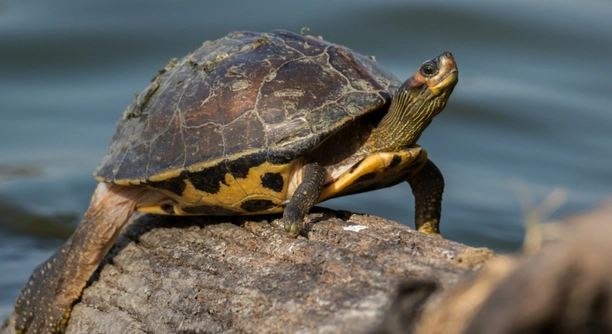
If you own an Indian Roofed Tortoise, you might sometimes notice unusual behaviors that raise questions about its wellbeing. Understanding these signals is key to ensuring your pet stays healthy and happy.
An anxious Indian Roofed Tortoise may display signs such as rapid pacing, hiding more frequently, or excessive scratching at the walls of its enclosure. These behaviors often indicate stress, which can result from environmental changes, lack of stimulation, or health issues.
Recognizing these behaviors early can help you address the situation before it becomes a bigger problem for your tortoise.
Common Signs of Anxiety in Indian Roofed Tortoises
An Indian Roofed Tortoise may show various signs when it feels anxious. These signs can be subtle at first but become more noticeable over time. If your tortoise is pacing around its enclosure or seems to be constantly on the move, it could be indicating stress. It might also retreat into its shell more frequently, trying to hide from its surroundings. An anxious tortoise might become less interested in eating, or it might display behaviors like scratching at the walls of its habitat as if trying to escape. All of these behaviors are common indicators of stress or discomfort.
These signs are often a response to sudden changes in its environment, such as temperature fluctuations, new tank mates, or even an unfamiliar routine. It’s essential to monitor these behaviors closely to identify what might be triggering this anxiety.
If your tortoise seems more withdrawn or its eating habits change, it’s a good idea to check its environment. Ensure that the tank’s temperature, humidity, and overall conditions are stable and suitable for your tortoise’s needs.
Environmental Stressors to Look For
One of the main stressors for Indian Roofed Tortoises is improper environmental conditions. If their habitat is too hot, too cold, or too dry, they can become anxious and uncomfortable. It’s crucial to maintain the right balance in their enclosure.
If your tortoise is exposed to extreme temperatures, it can trigger anxiety. Too much heat can cause dehydration, while cold temperatures can make them lethargic and stressed. A lack of humidity can also cause issues, as these tortoises need some moisture in the air to stay comfortable. Ensure you provide the proper temperature gradient within their habitat, with a warm basking area and a cooler zone to retreat to.
Proper lighting and a regular day-night cycle also help regulate their behaviors. Keeping your tortoise’s living space clean and clutter-free contributes to a calm environment. Providing enrichment, such as hiding spots or new objects, can also help keep your tortoise mentally stimulated and reduce feelings of anxiety.
Health Issues Leading to Anxiety
Health problems can also cause your Indian Roofed Tortoise to become anxious. If it is feeling ill or uncomfortable, it will display signs of stress. This can include hiding or excessive inactivity.
Health issues, such as parasites or respiratory infections, can cause your tortoise to behave differently. A sudden change in appetite, weight loss, or signs of lethargy might signal a problem. If your tortoise is constantly withdrawing into its shell and seems unable to move freely, it might be experiencing pain or discomfort from a health issue. In such cases, a visit to the vet is necessary to ensure your pet gets the proper care and treatment.
You should keep an eye on your tortoise’s general health. Regularly checking for signs of injury or illness can prevent problems from escalating. If you notice anything unusual, like changes in its shell or skin, it’s important to act quickly and consult a professional.
Behavioral Changes from Overhandling
Overhandling can also stress out your Indian Roofed Tortoise. If it is frequently picked up or moved around too much, it can become anxious and disoriented.
Tortoises are naturally slow-moving creatures and tend to get stressed when they are handled too often or roughly. If you’re constantly picking up your tortoise for play or display, it might feel overwhelmed and uncomfortable. In addition to anxiety, this can cause behavioral changes like reduced appetite, more hiding, or pacing. It’s essential to allow your tortoise to roam freely in its habitat without interference. Handling should be kept to a minimum, and when you do interact, it should be gentle and respectful of its pace.
Lack of Proper Enrichment
A lack of mental stimulation can cause anxiety in your Indian Roofed Tortoise. Without proper enrichment, it may become bored, leading to stress.
Tortoises need more than just a spacious tank. They require objects to explore, hide in, and interact with. Adding things like logs, tunnels, and plants helps mimic their natural environment, giving them something to do. If your tortoise is not getting enough mental stimulation, it may start displaying signs of anxiety. Small changes, like rearranging their habitat or adding new textures, can make a big difference in their behavior.
Diet and Nutritional Imbalance
Improper diet can also contribute to stress in tortoises. A lack of variety or unbalanced nutrition can cause anxiety and affect your tortoise’s overall health.
A proper diet is crucial for your tortoise’s well-being. Offering a mix of leafy greens, vegetables, and occasional fruits ensures they get the nutrients they need. Calcium and vitamin D3 are particularly important for healthy shell growth and bone development. If your tortoise is not receiving the right diet, it could become stressed or ill, leading to behavioral changes. Make sure to avoid feeding them too much fruit, as it can lead to digestive issues.
Temperature Regulation
Temperature fluctuations can create stress for your Indian Roofed Tortoise. They depend on a stable environment to feel secure and comfortable.
If the temperature in their enclosure is too high or too low, they may become anxious. Tortoises need a temperature gradient, with a basking spot around 90°F and a cooler area around 75°F. These temperatures allow them to regulate their body heat properly. If the temperature is inconsistent, your tortoise may exhibit signs of stress, including hiding more frequently or refusing to eat. Maintaining a steady environment is key to keeping your tortoise happy and healthy.
FAQ
How can I tell if my Indian Roofed Tortoise is stressed?
Stress in an Indian Roofed Tortoise often shows in certain behaviors. If your tortoise is pacing around its enclosure, scratching at the walls, or constantly hiding, these could be signs of stress. Additionally, a stressed tortoise might lose its appetite or seem more lethargic than usual. Another clear indication is when the tortoise withdraws into its shell more often than normal. Changes in its routine or environment, like new tank mates or a temperature shift, could also trigger these stress responses.
What should I do if my tortoise is not eating?
If your Indian Roofed Tortoise stops eating, it could be a sign of stress, illness, or improper diet. First, check the temperature and humidity levels in its enclosure to ensure they’re within the proper range. If conditions are fine, consider what changes may have affected its environment, such as new decorations or handling. Make sure its diet is varied and includes the right balance of leafy greens and vegetables. If the issue persists, consult a vet to rule out any health concerns.
Can overhandling cause anxiety in my tortoise?
Yes, overhandling can stress your tortoise. Indian Roofed Tortoises are not typically creatures that enjoy frequent handling. Being picked up or moved around too much can disrupt their routine and cause them to feel anxious or insecure. Limit handling to necessary occasions and always approach your tortoise gently. Let it roam and explore its habitat freely to feel safe and comfortable.
How can I create a better habitat for my tortoise?
Creating a suitable habitat for your tortoise requires attention to temperature, humidity, and stimulation. Make sure the tank has a temperature gradient, with a warm basking area and a cooler spot for the tortoise to retreat to. Adding hiding spots, plants, and natural textures like rocks and logs will help your tortoise feel more secure. Change up the environment occasionally to provide variety, and ensure the habitat is spacious enough for the tortoise to move around. A clean, well-maintained environment is key to preventing stress.
Is it okay to put my tortoise outside?
It’s safe to let your tortoise spend time outside, but only in controlled conditions. If you live in an area with appropriate weather, make sure the outside environment is safe, free of predators, and properly enclosed. Never leave your tortoise outside unsupervised, and ensure it has access to shade and shelter. The temperature should not be too hot or too cold for the tortoise to tolerate. Outdoor time can be enriching, but it should always be supervised and for short periods.
How often should I feed my Indian Roofed Tortoise?
Indian Roofed Tortoises generally need to be fed daily, especially when they are younger and growing. Adult tortoises can be fed every other day. The key is providing a balanced diet of leafy greens, some vegetables, and occasional fruits. Avoid feeding them too much fruit, as it can lead to digestive problems. Regular feeding helps to maintain a healthy weight and energy levels, keeping your tortoise active and engaged.
What is the best substrate for my tortoise’s tank?
The best substrate for your Indian Roofed Tortoise’s tank is one that mimics its natural environment while also being safe and easy to clean. Good options include coconut coir, organic topsoil, or a mixture of both. Avoid using substrates like sand or gravel, as they can cause digestive issues if ingested. The substrate should be deep enough for your tortoise to burrow slightly, providing it with a sense of security and comfort. Make sure to spot clean regularly to maintain hygiene in the tank.
How can I tell if my tortoise is sick?
If your tortoise is sick, you might notice a few changes in its behavior. It may become more lethargic, refuse food, or stop drinking water. You may also see nasal discharge, labored breathing, or swollen eyes. Changes in its shell, such as cracks, soft spots, or discoloration, can indicate health issues. If you notice any of these signs, it’s best to consult with a veterinarian who specializes in reptiles. Early intervention is key to ensuring your tortoise stays healthy.
How do I maintain proper humidity levels in the tank?
Maintaining proper humidity levels in your tortoise’s tank is important for its overall health. Indian Roofed Tortoises need a relatively dry environment but still benefit from a slight humidity boost. A humidity level of around 50-60% is ideal. You can achieve this by misting the tank lightly or using a humidifier if needed. However, avoid making the enclosure too wet, as excess moisture can lead to respiratory problems or shell rot. Use a hygrometer to monitor the humidity regularly and make adjustments as necessary.
Can my tortoise live with other pets?
It’s not recommended to house your Indian Roofed Tortoise with other pets, especially active or aggressive ones. Other reptiles, such as snakes or lizards, could pose a threat. Even with other tortoises, you should be cautious, as territorial disputes could arise. Always make sure the other animals are compatible with your tortoise’s temperament and needs. If you plan to house multiple tortoises together, ensure there’s plenty of space to avoid conflict.
How can I ensure my tortoise gets enough calcium?
Calcium is crucial for your tortoise’s health, particularly for shell growth and bone development. To provide sufficient calcium, include calcium-rich foods like dark leafy greens (e.g., kale, dandelion greens) in its diet. You can also offer calcium supplements, either in powdered form sprinkled on food or in cuttlebone form. Additionally, exposure to UVB light helps your tortoise absorb calcium properly. Be sure not to overdo it, though, as too much calcium can cause other health issues. Regularly monitor your tortoise’s overall condition to ensure it’s getting the right balance.
Final Thoughts
Understanding your Indian Roofed Tortoise and its needs is crucial for keeping it healthy and happy. Like all animals, tortoises experience stress when their environment or care is not suitable. Being observant and recognizing signs of anxiety, like pacing or hiding, can help you address issues before they escalate. Whether it’s temperature changes, overhandling, or diet imbalances, making small adjustments to its routine or habitat can reduce stress and improve its overall wellbeing. By monitoring its behavior and creating a comfortable environment, you can ensure your tortoise lives a fulfilling and healthy life.
Regular check-ups and ensuring proper care are vital parts of being a responsible tortoise owner. This includes maintaining the right humidity levels, providing a balanced diet, and making sure the tank offers enough space and enrichment. In addition to environmental factors, it’s important to be mindful of your tortoise’s health. If it’s not eating, seems lethargic, or shows signs of illness, it’s best to consult a veterinarian who can guide you in the right direction. Addressing these concerns early on will help prevent long-term issues and keep your tortoise content.
Finally, patience is key when caring for any pet, especially one as slow-moving as the Indian Roofed Tortoise. It’s important to respect their pace and allow them the space and time they need to adjust to any changes. Creating a peaceful, stable environment will go a long way in reducing anxiety and stress for your tortoise. The more you understand their needs, the better equipped you’ll be to provide the best care. Taking the time to focus on their well-being ensures they thrive, creating a lasting bond between you and your pet.

Hello,
If you enjoy the content that we create, please consider saying a "Thank You!" by leaving a tip.
Every little bit helps us continue crafting quality advice that supports the health, happiness, and well-being of pets around the world, for pets of all shapes, sizes, and species.
We really appreciate the kindness and support that you show us!