
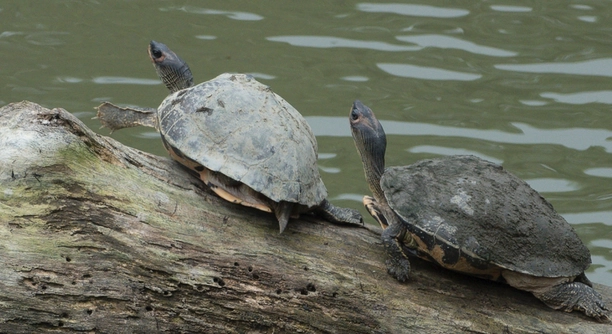
The Indian Roofed Tortoise is a fascinating pet, but its behavior can sometimes be puzzling. If you’ve noticed your tortoise scraping its shell, there may be more to it than meets the eye.
Shell scraping in Indian Roofed Tortoises can be due to a variety of factors, including environmental stress, improper diet, or even a need for exercise. Identifying the cause can help ensure your tortoise’s well-being and prevent further issues.
Understanding why your tortoise exhibits this behavior can be the first step in improving its health and comfort.
Environmental Stress
Your tortoise’s shell scraping could be a sign of stress caused by its environment. Changes in temperature, humidity, or lighting can affect their well-being, leading to discomfort. Tortoises require specific conditions to thrive, and improper habitat setups can cause anxiety, which may manifest as scraping.
An enclosed space that feels too small or lacks proper hiding spots might also increase stress levels. A tortoise may scrape its shell against surfaces in an attempt to find relief or create a sense of escape. Ensure the habitat is spacious and equipped with hiding areas for comfort and security.
Properly managing the environment can reduce stress significantly. Temperature, humidity, and the availability of UV light should be carefully monitored to match the tortoise’s needs. Providing an appropriate enclosure with enough room for exploration and comfort will help your pet feel secure and reduce the desire to scrape its shell.
Diet Deficiencies
A poor diet can contribute to shell scraping. Tortoises require a varied diet that includes leafy greens, vegetables, and occasional fruit. Nutrient imbalances, such as calcium or vitamin D deficiencies, may result in unhealthy shell growth or irritation.
Ensuring your tortoise receives a balanced diet is crucial for its health. A lack of essential nutrients, particularly calcium, can weaken the shell and lead to abnormal behavior like scraping. Always consult a vet to ensure the diet meets the nutritional needs of your pet. Proper supplementation may also be necessary to prevent deficiencies.
Shell Rot or Infections
If your tortoise is scraping its shell, it may be dealing with shell rot or an infection. This condition can cause the shell to weaken, prompting your tortoise to scrape it in an attempt to alleviate discomfort.
Shell rot occurs when bacteria or fungi invade the shell, usually due to prolonged exposure to wet conditions or poor hygiene. If untreated, it can lead to more severe damage, making scraping a form of self-care. Regularly inspect your tortoise’s shell for signs of infection, such as soft spots, discoloration, or foul odors. If you spot these signs, prompt treatment is necessary.
Keep the enclosure clean and dry to prevent bacterial growth and other infections. The tortoise should have a dry, clean area to bask and a moist area for hydration, balancing the need for both environments. If shell rot or infection is suspected, immediate veterinary care is important to prevent further damage and ensure your tortoise’s health.
Lack of Exercise
A lack of exercise may be contributing to your tortoise’s shell scraping. Tortoises need space to roam and explore, and when confined to a small area, they can become frustrated. Scraping can occur when they try to move but are unable to do so freely.
Ensure your tortoise has enough space in its enclosure to move around and exercise regularly. It should be able to walk freely and explore without obstacles. You can also set up a safe outdoor space for your tortoise to enjoy natural sunlight and more room to roam. If kept indoors, allow it to have some supervised outdoor time to move freely. Exercise is key to keeping your tortoise healthy and preventing stress.
Shell Growth and Shedding
If your tortoise is scraping its shell, it might be going through natural growth or shedding. As tortoises grow, they shed layers of their shells, which can cause some irritation.
During shedding, a tortoise may rub its shell against surfaces to help remove the old layers. It’s important to ensure that the process isn’t too difficult, as excessive rubbing can cause injury or discomfort. A proper diet and humidity levels can support healthy shell shedding. If the process seems prolonged or irregular, it’s worth consulting a vet to rule out underlying health issues.
Give your tortoise enough space to move freely and help it shed its old shell layers naturally. Ensure the habitat maintains proper humidity levels to make the process smoother and less stressful. Scraping can be a sign of a normal but sometimes uncomfortable process.
Inadequate UVB Lighting
UVB lighting plays a crucial role in a tortoise’s overall health. Without proper UVB exposure, tortoises can suffer from weakened shells and other health problems, leading to unusual behaviors like shell scraping.
UVB light helps tortoises produce vitamin D3, essential for calcium absorption. Without it, their shells can become soft and more prone to injury. Ensure your tortoise has access to UVB light, either from natural sunlight or a special UVB bulb designed for reptiles. The light should be provided for about 10 to 12 hours a day to promote healthy shell growth.
Boredom and Lack of Mental Stimulation
A tortoise that isn’t stimulated mentally may resort to behaviors like scraping its shell out of boredom. Tortoises are curious creatures that need to engage with their environment. Without enough activities, they can become frustrated.
Provide your tortoise with objects to explore and interact with, such as rocks, logs, or safe plants. Changing its environment occasionally can also help prevent boredom. Engaging activities not only keep the tortoise entertained but also promote physical health.
FAQ
Why does my tortoise scrape its shell?
Scraping is a common behavior for tortoises and can be caused by various factors. Environmental stress, improper diet, shell infections, lack of exercise, and natural shell shedding are the main reasons behind this behavior. A tortoise might scrape its shell to deal with discomfort or irritation. It’s essential to observe the environment and health of your tortoise to identify the underlying cause.
How can I tell if my tortoise has a shell infection?
Signs of a shell infection include soft spots, discoloration, foul odors, or pus-like discharge around the shell. If your tortoise is showing these signs, it’s crucial to get it checked by a veterinarian immediately. Shell infections, often caused by bacteria or fungi, can lead to severe health issues if untreated.
Can I stop my tortoise from scraping its shell?
While scraping may be natural in some cases, there are ways to reduce it. Ensuring the environment is stress-free, offering a proper diet, maintaining humidity, and providing regular exercise can minimize the need for scraping. Regular health checkups will help rule out any underlying issues.
Should I take my tortoise outside if it’s scraping its shell?
Taking your tortoise outside can be helpful, especially if it lacks enough space to roam indoors. Outdoor time allows it to get UVB exposure, helps with exercise, and gives it a change of environment. Make sure to supervise and ensure it’s safe from predators.
How do I create the right habitat for my tortoise?
Ensure your tortoise’s enclosure is large enough for it to move around freely. Provide hiding spots and spaces for climbing or exploring. Keep the habitat clean and dry, with proper humidity and temperature levels. UVB lighting is essential to ensure good shell health and overall well-being.
What kind of food should I feed my tortoise to prevent shell issues?
A proper diet is key to keeping your tortoise healthy. Provide a mix of leafy greens, vegetables, and occasional fruit. Ensure the diet is high in fiber and calcium-rich foods. Avoid feeding them too much fruit, as it can lead to digestive issues. A balanced diet will prevent shell and overall health problems.
How often should I check my tortoise’s shell for damage?
Regular checks are essential for monitoring your tortoise’s health. Inspect its shell at least once a week for signs of damage or infection. Look for soft spots, discoloration, or any abnormal growths. Early detection of issues can help prevent further complications.
Can stress be causing my tortoise to scrape its shell?
Yes, stress is a significant factor that can lead to shell scraping. If the environment is too noisy, crowded, or lacks space for the tortoise to move freely, it can cause anxiety. Stress may also result from poor diet, lack of UVB lighting, or insufficient exercise. Reducing stress by improving the habitat can help reduce scraping.
Do I need to give my tortoise a bath if it’s scraping its shell?
Bathing your tortoise may help with hydration and cleanliness, but it won’t necessarily stop shell scraping. However, if there’s a possibility of infection or dirt buildup, a gentle bath could help. Be sure to use lukewarm water and only bathe your tortoise for short periods to prevent stress.
Can a lack of UVB lighting cause my tortoise to scrape its shell?
Yes, inadequate UVB lighting can lead to weakened shells. UVB light helps tortoises produce vitamin D3, which is essential for calcium absorption. Without enough UVB, the tortoise’s shell may become soft, leading to scraping or other abnormal behaviors. Ensure your tortoise has access to UVB light for 10-12 hours daily.
What should I do if my tortoise is shedding its shell?
Shedding is a natural process, but it can cause discomfort. Make sure the environment has the right humidity levels to facilitate healthy shedding. If the scraping is excessive, monitor the process carefully. If your tortoise seems to struggle or has difficulty shedding, consult a veterinarian for advice.
Is shell scraping a sign of a serious health issue?
Shell scraping isn’t always a sign of a severe issue, but it can indicate underlying health problems. It’s essential to observe whether the scraping is due to natural processes like shedding or an environmental issue. If scraping is excessive or accompanied by other symptoms like swelling or soft spots, it’s best to seek veterinary advice.
Can I help my tortoise shed its shell faster?
You cannot speed up the shedding process, but you can create the best conditions for it. Ensure proper humidity, a balanced diet, and UVB exposure to support healthy shell shedding. Avoid handling your tortoise too much during this time to prevent stress. Patience is key during the shedding period.
Does my tortoise need a companion to stop shell scraping?
Tortoises are generally solitary animals and do not require companionship to be happy. However, if your tortoise is scraping its shell due to loneliness or boredom, providing enriching objects like rocks or plants might help. The key is ensuring your tortoise has a stimulating environment and enough space to move around.
Final Thoughts
Shell scraping in Indian Roofed Tortoises can be a natural behavior, but it is important to monitor it carefully. Scraping can occur during shell shedding or as a result of irritation caused by environmental factors. While minor scraping may not be a cause for concern, it is essential to assess whether the behavior is linked to health issues or discomfort. Maintaining a proper habitat with sufficient space, the right temperature, and humidity can help prevent unnecessary scraping. In addition, ensuring your tortoise has access to proper nutrition and UVB light supports its overall health and shell development.
In some cases, scraping can indicate a more serious problem such as an infection, stress, or an underlying health condition. If you notice excessive scraping or signs of injury, it’s important to consult a veterinarian. A professional can assess the situation, identify any health concerns, and provide guidance on how to treat or prevent further issues. Keeping your tortoise’s living environment clean and stress-free is crucial in promoting its well-being. Regularly checking for shell damage or abnormal behavior can help you address potential problems early.
Ultimately, the key to preventing excessive shell scraping is providing a balanced and suitable environment for your tortoise. This includes proper UVB lighting, a nutrient-rich diet, a comfortable temperature, and enough space for it to explore. While some scraping is a normal part of your tortoise’s life, paying attention to its behavior and health will ensure that it remains comfortable and well-cared for. By taking the time to monitor and maintain its habitat, you can help your tortoise lead a healthy and happy life.

Hello,
If you enjoy the content that we create, please consider saying a "Thank You!" by leaving a tip.
Every little bit helps us continue crafting quality advice that supports the health, happiness, and well-being of pets around the world, for pets of all shapes, sizes, and species.
We really appreciate the kindness and support that you show us!