
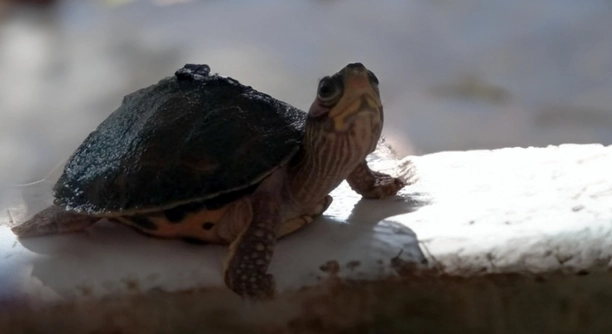
It can be concerning when your Indian roofed tortoise refuses to use its hideout, especially when you know they need a safe space. Understanding why this happens is key to ensuring your pet’s well-being.
The primary reason your Indian roofed tortoise may not be using its hideout is discomfort or stress. Factors such as improper temperature, humidity, or placement of the hideout can deter your tortoise from using it.
Addressing these environmental issues can help encourage your tortoise to seek shelter in its hideout more regularly.
Factors Affecting Temperature and Humidity
A proper temperature and humidity level are crucial for your Indian roofed tortoise’s comfort. If the hideout area is too warm or too cold, your tortoise may avoid it. Similarly, an improper humidity level can also discourage them from using it. Tortoises need a warm area to regulate their body temperature, but if the hideout gets too hot or too cold, it can be uncomfortable. You should aim to keep the basking spot around 85-90°F and the cooler side at 75-80°F. Humidity should be around 50-70%. These factors help your tortoise feel safe and comfortable in its hideout.
Checking the temperature and humidity regularly ensures your tortoise’s environment remains stable. A thermometer and hygrometer can help you monitor the conditions. If necessary, adjust the heating or humidifying devices.
Another important consideration is the type of substrate used inside the hideout. Substrate that is too dry or too wet can make the hideout less inviting. Try a substrate that maintains a proper balance of moisture while still allowing for ventilation.
Hideout Placement
If the hideout is in a busy or noisy area, your tortoise may avoid it. Tortoises prefer quiet, safe spaces where they can retreat.
Ensure the hideout is in a location where your tortoise can escape distractions and feel secure. The placement can make all the difference in encouraging your pet to use the space regularly.
Hideout Size and Design
The size and design of the hideout can affect how comfortable your tortoise feels. It should be large enough to fit your tortoise, but not so big that it feels exposed or vulnerable. A hideout that’s too small may cause stress.
Consider a hideout with soft, smooth edges and a design that mimics natural environments. A good hideout will have a dark, enclosed area that feels secure but still allows your tortoise to move around. Make sure the entrance is not too large or small for your tortoise to enter and exit easily.
Your tortoise may also avoid the hideout if the space feels too cluttered or cramped. Providing enough room to move around inside encourages your tortoise to feel at ease. A hideout that suits your tortoise’s size and needs will be more inviting.
Stress or Illness
Stress can cause your tortoise to avoid its hideout. Handling your pet too much or introducing other animals to the enclosure can lead to stress. This prevents your tortoise from seeking refuge.
If your tortoise is not using its hideout, it’s also worth checking for any signs of illness. A tortoise in pain may avoid its hideout due to a lack of energy or discomfort. Check for lethargy, abnormal behavior, or signs of injury. Keeping stress levels low can help encourage use of the hideout.
Hideout Cleanliness
A dirty hideout can make your tortoise avoid it. Regularly clean the hideout to remove any waste or mold. This ensures a safe and hygienic space.
Use non-toxic cleaning agents to avoid harming your pet. Make sure to dry the hideout thoroughly before placing it back in the enclosure. A clean environment will encourage your tortoise to use it.
Lighting and Natural Behavior
Tortoises are naturally attracted to spaces that mimic their natural environment. Provide a hideout that offers a balance of light and darkness, which suits their behavior. Tortoises typically seek shelter in darker, cooler areas when they need rest.
Understanding your tortoise’s natural instincts can help you create a comfortable, secure space for them to use.
FAQ
Why isn’t my Indian roofed tortoise using its hideout?
There are several reasons why your tortoise may not be using its hideout. It could be due to an uncomfortable environment, such as improper temperature or humidity levels. Tortoises avoid their hideouts if they feel stressed, sick, or the space is not clean. It’s important to check the hideout’s size, cleanliness, and placement as well. Ensuring these factors are in line with your tortoise’s needs will encourage it to use its hideout more often.
How can I make my tortoise’s hideout more appealing?
To make the hideout more appealing, focus on creating a comfortable, safe space. Ensure that the temperature and humidity are suitable for your tortoise’s species. The hideout should be dark, dry, and clean. You can also add natural materials like leaves or grass inside to mimic a more natural environment. Avoid cluttering the hideout, as it should offer a relaxing space, not a cramped one.
What is the ideal temperature for a tortoise hideout?
The ideal temperature for a tortoise hideout is between 75°F to 85°F. The hideout should be cooler than the basking area, where the temperature can reach around 90°F. A gradient of temperatures in the enclosure will allow your tortoise to choose its preferred resting spot. Make sure the hideout isn’t too warm, as it can cause discomfort.
Can stress affect my tortoise’s use of the hideout?
Yes, stress can prevent your tortoise from using its hideout. Frequent handling, loud noises, or the presence of other pets can create anxiety, causing your tortoise to avoid its hideout. It’s important to create a calm environment with minimal disturbances to help your tortoise feel secure and encourage it to retreat to its hideout when needed.
How do I know if my tortoise is sick or just avoiding its hideout?
If your tortoise is avoiding its hideout, it might be due to discomfort or stress. However, signs of illness, like lethargy, loss of appetite, or abnormal behavior, may also be present. If your tortoise is not using its hideout and shows other symptoms, such as swelling or breathing difficulties, it’s best to consult a veterinarian.
Should I change the hideout’s location if my tortoise is avoiding it?
Yes, changing the location of the hideout can sometimes help. Tortoises prefer quiet, secure spaces, so if the hideout is in a high-traffic area or exposed to too much light, your tortoise may avoid it. Try moving the hideout to a quieter, darker, and more secluded spot in the enclosure.
Can I use any materials for my tortoise’s hideout?
Not all materials are suitable for your tortoise’s hideout. Avoid materials that can be harmful if ingested, like plastic or treated wood. Instead, opt for natural materials such as ceramic, wood, or stone. These materials mimic the natural environment, providing a more inviting and safe space for your tortoise.
How often should I clean my tortoise’s hideout?
You should clean your tortoise’s hideout at least once a week. Regular cleaning helps prevent the buildup of waste, bacteria, and mold, which can discourage your tortoise from using it. If your tortoise spends a lot of time inside, more frequent cleaning may be necessary. Always dry the hideout completely before placing it back in the enclosure.
Can multiple tortoises share a hideout?
Multiple tortoises can share a hideout, but only if it’s large enough to accommodate them comfortably. If the hideout is too small or overcrowded, your tortoises may avoid it. Ensure there’s enough space for each tortoise to retreat without feeling threatened. Keep an eye on their behavior to ensure they’re not competing for space.
What should I do if my tortoise still refuses to use its hideout?
If your tortoise still refuses to use its hideout after making the necessary adjustments, consider examining its health and environment in more detail. Check the temperature, humidity, and overall comfort of the hideout. You may also want to try offering different types of hideouts or materials. If there’s still no change, consult a reptile vet for advice on your tortoise’s behavior.
Final Thoughts
Understanding why your Indian roofed tortoise is not using its hideout is important for providing the best care. There are various factors that can influence whether your tortoise feels comfortable in its hideout, such as the size, cleanliness, and temperature. A hideout that is too small, dirty, or poorly placed can discourage your tortoise from seeking shelter. Ensuring the hideout mimics the natural environment as much as possible will make it a more inviting space. Proper temperature regulation, hygiene, and a safe space to retreat to can help encourage its use.
Sometimes, stress or illness can also cause your tortoise to avoid the hideout. Stress factors, such as frequent handling or an overcrowded environment, can make the tortoise feel unsafe. Illnesses or injuries may cause your tortoise to avoid hiding altogether, as it may lack the energy to do so. If your tortoise shows other signs of illness, such as lethargy or lack of appetite, a visit to the veterinarian is necessary. Addressing both environmental and health-related factors is key to ensuring that your tortoise feels safe and comfortable in its habitat.
Ultimately, creating an ideal environment for your tortoise involves a few simple steps. By ensuring that the hideout is appropriately sized, clean, and in a quiet area with the correct temperature, you can make it a more attractive space. Additionally, regularly monitoring your tortoise’s health and stress levels will help ensure that it remains happy and healthy. By paying attention to these details, you can improve the chances of your tortoise using its hideout and enjoying the safety it provides.

Hello,
If you enjoy the content that we create, please consider saying a "Thank You!" by leaving a tip.
Every little bit helps us continue crafting quality advice that supports the health, happiness, and well-being of pets around the world, for pets of all shapes, sizes, and species.
We really appreciate the kindness and support that you show us!