
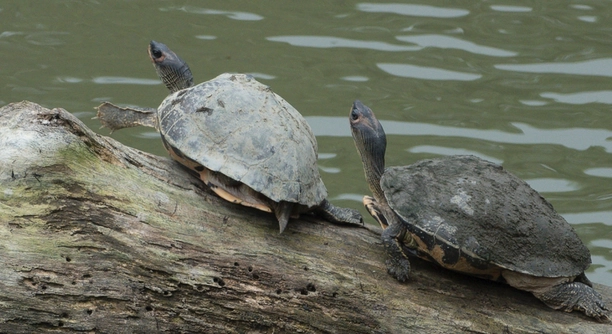
An Indian Roofed Tortoise is a delightful pet, but keeping it healthy requires proper care. Mistakes in its habitat or diet can lead to sickness. Knowing the common mistakes can help prevent health issues for your tortoise.
The most common mistakes that lead to illness in Indian Roofed Tortoises stem from improper diet, inadequate lighting, lack of space, and poor hygiene. These factors can result in digestive issues, respiratory problems, or shell deformities.
By understanding these mistakes, you can provide a healthier environment for your tortoise.
Inadequate Diet and Nutrition
A poor diet is one of the main reasons an Indian Roofed Tortoise may become sick. These tortoises need a balanced mix of leafy greens, vegetables, and occasional fruits to stay healthy. A diet high in processed foods or low in calcium can lead to shell deformities and weak bones. If your tortoise is eating too much fruit or not enough fiber, it could suffer from digestive issues like constipation or diarrhea. Also, overfeeding high-calcium foods without balancing them with other nutrients can result in kidney problems.
To avoid this, it’s important to offer a variety of fresh foods. Regularly feeding them calcium-rich foods like dandelion greens or collard greens is beneficial. It is equally essential to avoid feeding them iceberg lettuce, as it provides minimal nutritional value.
An essential aspect of their diet is making sure they always have access to fresh water. Hydration supports digestion and overall health. Be cautious with portion sizes to prevent overfeeding, as this can lead to obesity and other health problems. Regularly observe your tortoise’s eating habits to ensure they remain balanced.
Improper Lighting and Heat
Proper lighting and heat are crucial for the well-being of an Indian Roofed Tortoise. Without the right temperature, your tortoise may become lethargic, lose appetite, or even fall ill.
A basking area with the correct temperature and UVB lighting is essential for maintaining your tortoise’s health. UVB rays help them synthesize vitamin D3, which is necessary for calcium absorption. Without it, they can develop metabolic bone disease. The basking spot should range from 90-95°F, while the cooler side of the enclosure should be around 75°F to allow for temperature regulation.
Ensure that the light source is positioned properly so it covers the basking area effectively. Avoid placing the UVB light too far from your tortoise, as this can reduce its effectiveness. Regularly check the temperature and light levels to maintain a comfortable environment. If the lighting is inadequate, it can lead to long-term health problems.
Lack of Proper Space
Tortoises need ample space to move around freely. When confined to small enclosures, they may become stressed, leading to health issues like weight gain or depression. A cramped environment can also restrict their ability to exercise, which is essential for maintaining strong muscles and joints.
Ensure your tortoise has enough room to roam and explore. A large, secure enclosure with plenty of hiding spots and climbing areas is ideal. A minimum of 40-50 square feet is recommended for an adult Indian Roofed Tortoise. Avoid overcrowding the enclosure with other pets, as this can add stress and reduce space for movement.
An active tortoise is a healthy tortoise. Allowing them to explore different areas of the enclosure promotes mental stimulation and keeps them physically fit. Ensure the enclosure also has areas to cool down and hide, mimicking their natural environment. Overcrowding and insufficient space can result in both physical and emotional distress.
Poor Hygiene
Maintaining cleanliness in the enclosure is critical to your tortoise’s health. If not regularly cleaned, waste can accumulate, leading to bacteria buildup. This can cause respiratory or skin infections and other diseases. A dirty environment is also a breeding ground for parasites that could make your tortoise sick.
Clean your tortoise’s enclosure regularly, removing soiled bedding and waste. Change the water daily to prevent contamination and promote hydration. The substrate should be replaced every few weeks, depending on how much it has been soiled. Use non-toxic cleaning products to sanitize surfaces and avoid harsh chemicals.
Regular bathing and cleaning of your tortoise’s shell are essential to remove debris and prevent shell rot. Shell rot can develop when the tortoise is exposed to excess moisture or bacteria from a dirty enclosure. Keeping their living space hygienic helps prevent these issues and ensures they stay healthy.
Incorrect Substrate
Using the wrong substrate can lead to discomfort or health problems for your tortoise. Substrates like sand or gravel can cause impaction if ingested. Stick to safe options like coconut fiber, soil, or grass hay, which provide proper moisture retention and a comfortable environment.
The right substrate helps regulate humidity levels in the enclosure, promoting healthy skin and respiratory systems. Avoid using pine or cedar shavings, as they can cause respiratory issues due to strong aromatic oils. A proper substrate also makes cleaning easier and more effective, reducing the risk of bacterial growth.
Choosing the appropriate substrate is key to your tortoise’s overall comfort and health. Ensure it is not only safe but also easy to manage. A well-chosen substrate promotes natural behavior and gives your tortoise a suitable surface for digging and burrowing.
Overhandling
Excessive handling can cause stress for your tortoise. While interaction is important, overdoing it can result in anxiety, affecting their immune system. It’s important to give your tortoise time to adjust to their habitat without being frequently handled or disturbed.
Handling should be limited to avoid unnecessary stress. Tortoises are naturally solitary animals, and too much interaction can disrupt their natural behaviors. Instead, focus on providing them with a peaceful environment and monitor their health without excessive handling. A stressed tortoise can suffer from weakened immunity and become more vulnerable to illness.
Lack of Variety in Diet
Offering the same food every day can lead to nutritional deficiencies. An Indian Roofed Tortoise needs a varied diet to meet all its nutritional needs. A balanced meal plan with different types of greens, vegetables, and occasional fruits helps maintain overall health.
A monotonous diet can cause your tortoise to become deficient in essential vitamins and minerals. Mix in various greens like collard greens, mustard greens, and dandelion leaves to keep them interested and healthy. By providing diversity, you also ensure they get a wide range of nutrients necessary for bone and shell health.
FAQ
What temperature is best for my Indian Roofed Tortoise?
Maintaining the right temperature is crucial for your tortoise’s health. The basking area should be kept between 90-95°F, while the cooler side of the enclosure should be around 75°F. This allows the tortoise to regulate its body temperature by moving between the warmer and cooler zones. The temperature gradient mimics their natural environment, helping to maintain proper digestion and overall health. Use a reliable thermometer to monitor these temperatures regularly. It’s also essential to provide a UVB light source to support calcium metabolism, especially if your tortoise is kept indoors.
How often should I feed my Indian Roofed Tortoise?
Feeding frequency depends on the age and size of your tortoise. Juvenile tortoises typically require daily feedings, while adults can be fed every other day. Offer a variety of leafy greens, vegetables, and occasional fruits. Portion sizes should be appropriate to avoid overfeeding or underfeeding. It’s important to provide fresh food daily and remove any uneaten food after a few hours to prevent spoilage and bacterial growth. Remember to balance calcium and phosphorus in their diet to avoid metabolic bone disease. Clean water should always be available to encourage hydration.
Can I house multiple Indian Roofed Tortoises together?
While it’s possible to house more than one Indian Roofed Tortoise, it can lead to territorial disputes, especially if there isn’t enough space. Tortoises are solitary creatures by nature, and overcrowding can result in stress, injuries, or competition for food. If you do decide to keep multiple tortoises together, ensure the enclosure is large enough to accommodate each one. Provide separate hiding spots and basking areas to give each tortoise a sense of privacy. Monitor them closely for signs of aggression or bullying. If conflicts arise, it may be better to house them separately.
Is it okay to let my tortoise roam around outside?
Letting your tortoise roam outside is fine, but only under supervision. Ensure the area is safe and free of predators. The outdoor environment should be securely fenced to prevent escape. Keep in mind that temperature fluctuations, exposure to harmful chemicals, or plants can be hazardous to your tortoise. If you live in a climate where the temperatures are extreme, it’s safer to keep your tortoise indoors or provide them with an outdoor enclosure that offers shelter from extreme weather conditions. Always watch for signs of distress or overheating when outside.
How do I know if my Indian Roofed Tortoise is sick?
Tortoises are good at hiding illnesses, but there are signs that can indicate they are unwell. Look for a lack of appetite, lethargy, or unusual behavior such as excessive hiding. If your tortoise’s shell looks abnormal or has soft spots, this could be a sign of metabolic bone disease. Respiratory problems, such as wheezing, sneezing, or nasal discharge, can also indicate illness. Watch for abnormal stools, such as diarrhea or constipation, and changes in their drinking habits. If you notice any of these signs, it’s important to consult a veterinarian familiar with reptiles to ensure proper treatment.
What should I do if my tortoise’s shell is damaged?
If your tortoise’s shell becomes cracked or injured, it’s important to act quickly. Clean the wound gently with warm water and, if needed, apply an antiseptic designed for reptiles. Avoid using harsh chemicals that could irritate the shell or skin. If the injury appears deep or if the tortoise shows signs of infection, take them to a reptile veterinarian immediately. Shell injuries can lead to infection, so it’s important to treat them as soon as possible. Keeping the tortoise in a clean, dry environment while the injury heals is crucial to avoid further complications.
How can I prevent my tortoise from getting sick?
The best way to keep your Indian Roofed Tortoise healthy is through proper care and attention to their environment. Ensure they have a balanced diet with the right amount of calcium and nutrients. Maintain their enclosure with proper temperature gradients, humidity levels, and lighting, including UVB lighting. Clean the enclosure regularly and provide fresh water daily. Avoid overhandling, as excessive stress can weaken their immune system. Regularly check for signs of illness and consult a veterinarian if necessary. A well-maintained habitat and routine health monitoring go a long way in preventing illness.
Can I give my tortoise fruits and vegetables every day?
Fruits and vegetables can be part of your tortoise’s diet, but they should be offered in moderation. Leafy greens like kale, collard greens, and dandelion greens should make up the bulk of their diet. Fruits like berries and melons can be offered as occasional treats but should not be given every day. Too much fruit can upset their digestive system and lead to issues like diarrhea. Be mindful of the sugar content in fruits and focus more on providing fiber-rich vegetables for a balanced diet. Always remove any uneaten food promptly to avoid bacterial growth.
How often should I clean my tortoise’s enclosure?
The frequency of cleaning depends on the size of the enclosure and how many tortoises are housed inside. As a general guideline, spot clean daily by removing waste and uneaten food. The entire enclosure should be thoroughly cleaned and disinfected at least once a month. Change the bedding as needed, especially if it becomes soiled or wet. Use non-toxic cleaners and avoid harsh chemicals to ensure the safety of your tortoise. Regular cleaning prevents the buildup of harmful bacteria and parasites, helping to maintain a healthy environment for your tortoise.
Final Thoughts
Taking care of an Indian Roofed Tortoise requires a clear understanding of their needs and careful attention to detail. Providing the right environment is crucial to their health and well-being. This includes maintaining proper temperatures, offering the right food, and ensuring they have a safe and clean habitat. Regular monitoring of their behavior and physical condition is key to spotting any signs of illness early. Keeping an eye on their diet and hygiene will help prevent many health issues. By offering the right balance of care, you can ensure your tortoise lives a long and healthy life.
While owning a tortoise can be rewarding, it also comes with responsibility. Their slow and steady nature may make them seem low-maintenance, but they still need your care and attention. An Indian Roofed Tortoise’s well-being is closely tied to how you set up their enclosure and the food you provide. A simple mistake, like a diet too high in fruit or not enough calcium, can lead to serious health problems. Consistent care ensures that these small mistakes do not become major issues. Regular visits to a reptile vet can also help monitor their health and prevent common diseases.
As a pet owner, it’s important to continue learning about your tortoise’s needs. The more you understand their behavior and requirements, the better you can cater to them. From adjusting their environment as they grow to monitoring their health, being proactive is key to their happiness. Over time, you’ll form a strong bond with your Indian Roofed Tortoise. Providing the best care possible will not only help them thrive but will also bring you satisfaction in knowing you’ve given them a fulfilling life.

Hello,
If you enjoy the content that we create, please consider saying a "Thank You!" by leaving a tip.
Every little bit helps us continue crafting quality advice that supports the health, happiness, and well-being of pets around the world, for pets of all shapes, sizes, and species.
We really appreciate the kindness and support that you show us!