
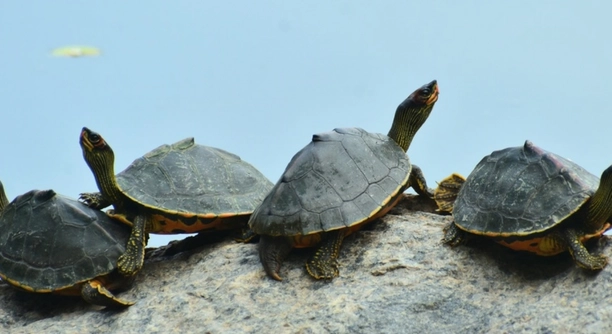
Indian Roofed Tortoises are beloved pets known for their unique features. Understanding their growth stages is key to ensuring they are ready for breeding. Knowing how to tell if they are too young is essential for their health.
To determine if your Indian Roofed Tortoise is too young to breed, observe its size and age. Tortoises typically reach sexual maturity between 5 to 7 years, depending on their diet, environment, and genetics. Ensure they are fully mature before breeding.
Their development directly impacts their ability to breed successfully. Understanding these signs can help ensure a healthy breeding process for your tortoise.
Physical Signs of Sexual Maturity
When your Indian Roofed Tortoise reaches sexual maturity, it will show some noticeable physical changes. These changes might include a larger body size and distinct differences between males and females. Male tortoises tend to develop a longer tail and a more pronounced concave shape on their plastron. This shape helps them mount females. Additionally, males may exhibit more aggressive behavior, especially during the mating season. Females typically have a broader and rounder body shape to accommodate eggs. Observing these features will help you assess if your tortoise is of breeding age.
If your tortoise is smaller and lacks these characteristics, it’s not ready to breed. It’s important to avoid mating tortoises that are still too young, as it can lead to health complications for both the female and the offspring.
To support the healthy development of your tortoise, ensure it has a proper diet and adequate space. These factors play a role in determining when the tortoise reaches sexual maturity and readiness for breeding.
The Role of Age
Age plays a crucial part in determining whether your Indian Roofed Tortoise is mature enough to breed. Generally, tortoises can begin to breed between 5 to 7 years of age. However, this can vary depending on their living conditions, diet, and overall health. A tortoise may grow faster or slower depending on how it’s cared for, so it’s important to track their development over time.
While age is a key factor, size and physical characteristics should also be considered. You can only make a proper assessment by observing all of these factors together. If your tortoise hasn’t reached its full size and lacks the physical signs mentioned earlier, it’s best to wait until it has fully matured before attempting to breed. This approach will ensure that your tortoise has the best chance at a healthy breeding process.
The Impact of Diet on Maturity
A balanced diet is essential for the growth and development of your Indian Roofed Tortoise. Nutrient-rich foods help them reach sexual maturity at the appropriate time. High-quality vegetables, leafy greens, and protein are vital for building strong bones and shells. A poor diet may delay their growth, preventing them from breeding when they’re ready.
Providing the right nutrients can make a significant difference in their overall health. Proper calcium and vitamin D levels are particularly important for shell development and skeletal growth. An insufficient diet could slow down their growth rate, affecting their readiness to breed. Regular feeding of fresh, varied foods supports their natural growth process and ensures they reach maturity.
A tortoise that’s not eating well or has an unbalanced diet may experience stunted growth, which could delay its ability to breed. Therefore, it’s critical to maintain a nutritious diet that supports the healthy development of your tortoise. Monitoring their food intake ensures they get the necessary vitamins and minerals for proper maturation.
Environmental Factors Affecting Breeding
Your tortoise’s environment plays a significant role in its growth and maturity. Temperature, humidity, and space are key factors influencing their development. A stable and comfortable habitat can help speed up their growth, while inadequate conditions may slow it down.
Creating the right environment is crucial to promoting healthy growth. The temperature should be warm enough for your tortoise to be active, but not too hot to cause stress. Humidity levels should be kept moderate to prevent dehydration and respiratory issues. Additionally, ample space is necessary to allow for natural movement, which encourages proper growth. If any of these environmental factors are neglected, it could delay the tortoise’s development, affecting its ability to breed at the right time.
Providing a consistent and appropriate environment will help your tortoise thrive. It will ensure that they grow at the proper rate, reaching maturity when they are fully ready for breeding.
The Role of Genetics in Breeding Readiness
Genetics play an important role in determining when your Indian Roofed Tortoise reaches maturity. Some tortoises mature earlier than others, depending on their genetic makeup. However, genetics alone won’t determine breeding readiness.
While genetics set the foundation for growth rates, it’s essential to provide the right care. Even genetically predisposed tortoises can experience delayed maturity if their diet, environment, or overall health isn’t ideal. Monitoring these factors will help you assess when your tortoise is truly ready for breeding.
Health Conditions That Delay Maturity
Health conditions can impact your tortoise’s development and delay its readiness to breed. Parasites, infections, or injuries can stunt growth and delay sexual maturity. It’s essential to regularly check for any signs of illness or discomfort in your tortoise.
If a health issue is affecting growth, address it promptly. Treating infections or parasites early will give your tortoise the best chance for healthy development. Make sure to consult a vet if you notice anything unusual, as untreated conditions could affect their overall well-being and breeding potential.
Proper Care for Optimal Growth
Proper care is the foundation of your tortoise’s growth and maturity. Maintaining a balanced diet, consistent environment, and regular health checks ensures that your tortoise develops at the right pace. Neglecting any of these factors can delay its ability to breed successfully.
Regularly monitor your tortoise’s progress. With proper attention, your tortoise will grow strong and healthy, reaching maturity at the right time.
FAQ
How can I tell if my Indian Roofed Tortoise is old enough to breed?
To determine if your Indian Roofed Tortoise is old enough to breed, observe its physical size and characteristics. Tortoises usually reach sexual maturity between 5 to 7 years old, but this can vary based on diet, environment, and genetics. Male tortoises typically develop a longer tail and a concave plastron to help with mating. Females tend to have a rounder, broader body shape. It’s important to consider all factors, including physical traits and age, before attempting breeding. If your tortoise has not fully developed these traits, it is likely not ready to breed.
What is the ideal diet for an Indian Roofed Tortoise to help with breeding readiness?
A healthy, balanced diet is crucial for your tortoise to reach breeding maturity. Feed your Indian Roofed Tortoise a variety of leafy greens, vegetables, and some fruit. It’s important to include calcium-rich foods such as dark leafy greens, dandelion greens, and clover to support shell development. Protein should be provided sparingly, mainly from insects or occasional animal matter. Vitamin D is also necessary for proper calcium absorption, so make sure your tortoise gets some sun exposure or provide UVB lighting in its habitat. A proper diet ensures your tortoise grows strong and reaches sexual maturity at the right time.
Does temperature and humidity affect the breeding readiness of my tortoise?
Yes, temperature and humidity significantly influence your tortoise’s growth and development. Tortoises thrive in warm environments, typically between 80-85°F (27-29°C) during the day, with a slight temperature drop at night. Providing a consistent, warm temperature will help your tortoise stay active and healthy. Humidity should be kept moderate to avoid dehydration and skin issues. If the environment is too cold or dry, your tortoise may become stressed or experience stunted growth, which could delay its ability to breed. Ensure that the habitat is both warm and humid enough for healthy development.
How often should I check my tortoise for signs of maturity?
You should check your tortoise regularly for physical changes that indicate maturity. Pay attention to their size, shape, and tail development. Male tortoises typically develop longer, thicker tails, and their plastron will become concave to help with mounting. These physical changes are good indicators of breeding readiness. If you’ve had your tortoise for a few years and it hasn’t shown signs of these characteristics, it may not be mature enough to breed. Regular checks will help you track its growth and make sure it’s developing properly for breeding.
Can a tortoise breed before reaching full maturity?
It is possible for a tortoise to attempt mating before reaching full maturity, but it is not recommended. Breeding too early can cause health issues for both the female and the offspring. Female tortoises that are too young may struggle to lay eggs or could experience complications during the process. Male tortoises may also lack the physical strength or endurance needed for successful mating. It’s important to wait until your tortoise is fully mature, both physically and hormonally, to ensure a safe and healthy breeding experience.
What are the signs that my tortoise is not ready to breed?
Signs that your tortoise is not ready to breed include small size, a lack of physical characteristics like a concave plastron (in males) or a round body shape (in females), and immature behavior. If your tortoise has not developed these traits and is still growing, it’s best to wait before attempting breeding. Additionally, a tortoise that is not healthy due to poor diet, inadequate living conditions, or untreated illnesses may not be ready for breeding. Monitoring these signs will help you determine when it’s safe and appropriate to try mating.
How can I ensure my tortoise has the best living conditions for breeding?
To provide optimal living conditions for your tortoise, ensure it has a spacious and clean enclosure. Provide a UVB light source to mimic natural sunlight, which is necessary for vitamin D production and overall health. The habitat should be kept at a steady, warm temperature during the day, with a cooler nighttime temperature. Humidity levels should be monitored, keeping them moderate to prevent dehydration. Additionally, make sure the enclosure has areas for hiding and climbing, allowing your tortoise to feel secure. Regular cleaning and monitoring of temperature and humidity are essential for maintaining healthy living conditions.
Is it okay to house two tortoises of different sexes together?
Housing a male and female tortoise together can be done, but it must be done carefully. Male tortoises may become territorial and may constantly attempt to mate with the female, which could stress her out. If this happens, it’s important to ensure that the female has enough space to retreat and rest. Mating behaviors can be quite aggressive, and it’s important to watch for any signs of injury or stress. It’s also essential to make sure that both tortoises are of appropriate size and maturity before considering housing them together for breeding purposes.
What should I do if my tortoise is not showing signs of maturity?
If your tortoise is not showing signs of maturity, first ensure it is being cared for properly. Check the diet, temperature, and humidity levels in its environment. A poor diet or inadequate living conditions could delay development. Regularly monitor your tortoise’s growth and physical changes. If no signs of maturity appear over time, consult a veterinarian to ensure there are no underlying health issues affecting its growth. Sometimes, genetic factors may cause a tortoise to mature more slowly, but proper care is essential to support their development.
Final Thoughts
Understanding when your Indian Roofed Tortoise is ready to breed requires careful observation and attention to its development. There are several factors that influence breeding readiness, including age, size, health, and environmental conditions. It’s important to ensure your tortoise is physically mature, as attempting to breed too early can lead to health complications. Both male and female tortoises should show specific physical traits, such as a concave plastron in males and a rounder body in females, before considering breeding. Additionally, ensure your tortoise has the proper care and environment to support its growth and reproductive health.
While genetics play a role in determining how quickly your tortoise matures, external factors such as diet and habitat are equally important. A balanced diet rich in calcium, along with the right lighting and temperature conditions, will help your tortoise grow and reach maturity. Regular health checkups are also essential to rule out any underlying conditions that might delay development. By maintaining a healthy and supportive environment, you ensure that your tortoise reaches its full potential at the right age, preventing issues that can arise from early breeding.
Lastly, patience is key when it comes to breeding your Indian Roofed Tortoise. Tortoises have their own pace, and forcing them into breeding too soon can harm their health and the potential success of the breeding process. Monitoring your tortoise’s growth and maturity is important, but equally crucial is creating an environment where they can thrive and develop naturally. By paying close attention to their needs and ensuring they have the best conditions for growth, you can help them reach breeding age safely and successfully.

Hello,
If you enjoy the content that we create, please consider saying a "Thank You!" by leaving a tip.
Every little bit helps us continue crafting quality advice that supports the health, happiness, and well-being of pets around the world, for pets of all shapes, sizes, and species.
We really appreciate the kindness and support that you show us!