
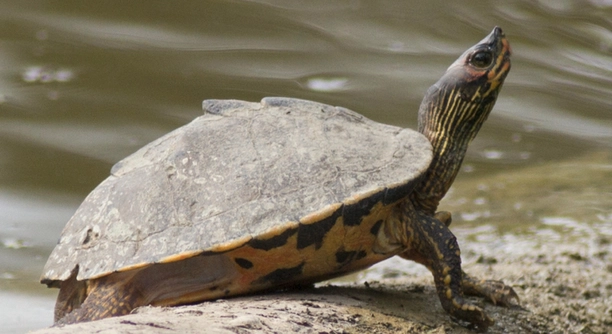
Indian Roofed Tortoises are generally calm creatures, but sudden changes in behavior, like aggression, can be surprising for owners. Understanding the cause behind this shift can help restore harmony between you and your pet.
Aggression in Indian Roofed Tortoises can result from stress, territoriality, or health issues. Environmental factors such as temperature, diet, and tank conditions can influence their mood and behavior. Addressing these aspects may reduce aggression.
Factors like stress, poor habitat, or health concerns can be addressed to help reduce your tortoise’s aggressive behavior. Understanding these key influences will guide you in creating a better environment for your pet.
Stress and Environmental Changes
Stress can play a big role in your tortoise’s sudden aggression. They are sensitive to their surroundings, and any disruptions like a change in habitat, temperature fluctuations, or a noisy environment can cause them to act defensively. Even something as small as rearranging their enclosure might unsettle them. A stressed tortoise may display signs like head bobbing, hissing, or even attempting to bite.
Stress is often linked to habitat issues. If your tortoise feels threatened or unsafe, it may lash out. Monitoring the temperature, humidity, and lighting conditions in the enclosure is crucial to ensure a stable and comfortable environment.
Indian Roofed Tortoises are naturally territorial, and stress can make them more protective of their space. If they are placed in a smaller area or around other animals, they may feel cornered and show aggression. Creating a calm and secure space is the first step in reducing stress. It’s also essential to avoid sudden changes that could confuse or alarm your tortoise. By observing their behavior and adjusting their environment, you can significantly reduce stress and aggression.
Health Concerns
Health issues can also cause sudden aggression. If your tortoise is in pain, it may act out of discomfort.
Any changes in their behavior, like aggression, could signal an underlying health problem such as shell rot or digestive issues. If you notice other symptoms, like lethargy or loss of appetite, a vet visit is necessary.
Territorial Behavior
Territorial behavior can lead to aggression, especially in male tortoises. They may see any intruder or change in their space as a threat, which triggers defensive actions. It’s important to allow your tortoise enough space to roam freely and establish their own territory.
When tortoises feel like their space is being invaded, they may show aggression through behaviors like biting or chasing. To minimize territorial disputes, avoid overcrowding their enclosure. Providing a larger, designated area for your tortoise helps reduce competition and stress. If multiple tortoises are housed together, consider providing separate areas so they don’t feel threatened.
Indian Roofed Tortoises, like many species, have a strong instinct to protect their territory. Aggressive behaviors might arise if they feel their territory is being threatened by another animal or even by you, especially during feeding time. It’s vital to be aware of how they react to changes around their space and intervene if necessary. The more secure they feel in their environment, the less likely they are to become aggressive.
Temperature and Habitat Issues
Temperature is another critical factor in your tortoise’s behavior. If the enclosure is too hot or too cold, your tortoise may become stressed, which can lead to aggression.
Indian Roofed Tortoises require a specific range of temperatures to remain comfortable. Their basking area should be around 90°F, while the cooler end of the enclosure should be closer to 75°F. Keeping the environment too warm or too cold can make them feel uneasy. Monitor the temperatures regularly to maintain a healthy balance.
Inadequate lighting or a lack of UVB rays can also impact their well-being, causing them to feel out of sorts. It’s important to provide proper lighting in their enclosure, so they can regulate their body temperature and stay healthy. A poorly set-up environment will increase the likelihood of aggression due to discomfort.
Diet and Nutrition
An improper diet can also lead to aggression in tortoises. If they’re not getting the nutrients they need, it can affect their behavior. Malnutrition may cause them to feel irritable or stressed.
Tortoises need a balanced diet rich in fiber, calcium, and vitamins. A lack of proper nutrition can affect their mood, making them more prone to aggression. Ensure that their food is varied and includes leafy greens, fruits, and appropriate supplements to maintain their health and well-being.
Handling and Interaction
Aggression can also result from improper handling. Tortoises are not always comfortable with too much interaction, and over-handling can lead to stress.
It’s important to respect your tortoise’s space and only handle them when necessary. If you need to move them, do so gently and avoid sudden movements. This reduces the chances of startling or stressing them.
FAQ
Why is my tortoise suddenly aggressive?
Aggression in tortoises can occur due to various reasons, such as stress, territorial behavior, or even health issues. Changes in their environment, like new animals, loud noises, or moving to a different space, can trigger aggressive behavior. Territoriality can also cause them to act out, especially if they feel their space is being invaded. Additionally, health problems or pain can make them more irritable, causing them to lash out. It’s essential to assess their living conditions, diet, and health to understand the root cause.
Can temperature affect my tortoise’s behavior?
Yes, temperature can significantly impact your tortoise’s behavior. If the environment is too hot or too cold, your tortoise may become stressed, which can lead to aggression. Tortoises need a specific temperature range to stay comfortable and healthy. A basking area should be around 90°F, and the cooler side of their enclosure should be closer to 75°F. Any fluctuation outside this range can cause discomfort, leading to stress and aggression. It’s important to maintain a stable temperature and monitor the conditions regularly to avoid these issues.
What should I do if my tortoise starts biting?
If your tortoise begins to bite, it’s important to assess their environment and overall health. Biting is often a sign of stress, aggression, or territoriality. Check if their space is too small, overcrowded, or if there are any changes that could be causing them to feel threatened. You may need to reduce handling or adjust their habitat. If the biting continues or seems related to health issues, consider a visit to the vet to rule out pain or injury. Ensure that they are receiving a balanced diet and living in the proper conditions.
How can I reduce stress for my tortoise?
To reduce stress, you should focus on providing a stable, calm environment for your tortoise. Make sure their enclosure is large enough to roam freely and isn’t overcrowded. Avoid making sudden changes, such as moving their enclosure or introducing new animals without proper adjustment. Consistent temperatures, proper lighting, and a diet rich in fiber and nutrients are essential for their well-being. Additionally, limit handling and give your tortoise time to adapt to any changes gradually. The more secure and comfortable your tortoise feels, the less likely it is to show aggressive behavior.
Is my tortoise’s aggression caused by illness?
Aggression can sometimes be a sign of illness or discomfort. If your tortoise has been acting aggressively suddenly, it’s important to check for signs of illness, such as lethargy, loss of appetite, or unusual behavior. Pain or discomfort from conditions like shell rot, internal infections, or digestive issues can lead to irritability. If you suspect illness, it’s best to consult a vet who specializes in reptiles. A thorough examination can help diagnose any health problems and ensure your tortoise gets the treatment it needs to feel better.
Do I need to separate my tortoises if they fight?
If your tortoises are fighting or showing aggressive behavior toward each other, it’s important to consider separating them. Tortoises are often territorial, and placing multiple tortoises together, especially males, can lead to conflict. If you notice fighting, it’s best to move them into separate enclosures to prevent injury and reduce stress. Ensure that each tortoise has enough space, food, and hiding spots to feel secure in their environment. If they continue to show aggression even when separated, you may need to re-evaluate their living conditions or consider their compatibility.
Can overfeeding cause aggression in tortoises?
Yes, overfeeding can cause aggression in tortoises, especially if it leads to obesity or digestive issues. Feeding your tortoise too much can result in discomfort, and in some cases, it may cause hormonal imbalances. An unhealthy tortoise is more likely to become irritable and defensive. It’s important to follow proper feeding guidelines and provide a balanced diet, including leafy greens and appropriate supplements. Overfeeding or providing the wrong types of food, like too much fruit or protein, can lead to health issues that may manifest as aggressive behavior.
How can I tell if my tortoise is stressed?
Signs of stress in tortoises can include changes in behavior, such as hiding, aggression, or pacing. A stressed tortoise may also refuse to eat, show signs of lethargy, or become more defensive. Additionally, excessive scratching or attempting to escape the enclosure can be a sign that your tortoise is not comfortable. If you notice any of these behaviors, it’s essential to evaluate their environment. Check the temperature, humidity, diet, and overall living conditions to identify possible stressors. A change in behavior often indicates that something is wrong, and addressing these factors can help alleviate stress.
What is the best diet for my Indian Roofed Tortoise?
An Indian Roofed Tortoise requires a varied diet that’s rich in fiber, calcium, and vitamins. Leafy greens such as kale, dandelion greens, and collard greens should form the majority of their diet. Occasional fruits like strawberries and melons can be offered as treats. Avoid feeding them too much fruit, as it can cause digestive problems. Adding calcium supplements is also important for shell health. Make sure to provide fresh water daily, and ensure the food is pesticide-free. A balanced diet will support your tortoise’s health and reduce the likelihood of aggression due to malnutrition.
Should I be worried if my tortoise is digging more than usual?
Excessive digging can be a sign that your tortoise is stressed, trying to escape, or looking for a mate. Tortoises often dig to find shelter or create a cool area when the temperature is too high. It could also indicate that your tortoise is not comfortable with its environment. If the digging seems excessive or is accompanied by other unusual behaviors, it’s important to check the enclosure for any potential issues, such as inadequate temperature, humidity, or space. If the digging continues, consider consulting a vet or a reptile specialist to ensure your tortoise’s well-being.
Final Thoughts
Understanding the behavior of your Indian Roofed Tortoise is important for maintaining a peaceful and healthy relationship with your pet. Aggression can be caused by several factors, including stress, territoriality, health issues, and environmental problems. When your tortoise starts acting aggressively, it’s essential to look at their living conditions and their general well-being. Identifying the cause behind the aggression can help you make changes to reduce their stress and improve their behavior. Remember, tortoises are sensitive animals that thrive in stable, well-maintained environments, so providing the right care is crucial.
By paying close attention to things like temperature, diet, and the overall setup of their enclosure, you can address many of the issues that might cause your tortoise to act aggressively. For example, keeping their environment at the correct temperature and ensuring proper lighting can help prevent stress. Likewise, a balanced diet, free from overfeeding and the wrong types of food, will keep them healthy and less likely to exhibit unwanted behaviors. Stress can also arise from overcrowding or too much handling, so it’s important to give your tortoise space to feel safe and secure.
If the aggression continues despite addressing these factors, it may be time to consult with a veterinarian who specializes in reptiles. A professional can check for underlying health issues that could be contributing to the behavior. Taking these steps to ensure your tortoise’s comfort and health will help you create a better environment for them, leading to fewer behavior problems in the future.

Hello,
If you enjoy the content that we create, please consider saying a "Thank You!" by leaving a tip.
Every little bit helps us continue crafting quality advice that supports the health, happiness, and well-being of pets around the world, for pets of all shapes, sizes, and species.
We really appreciate the kindness and support that you show us!