
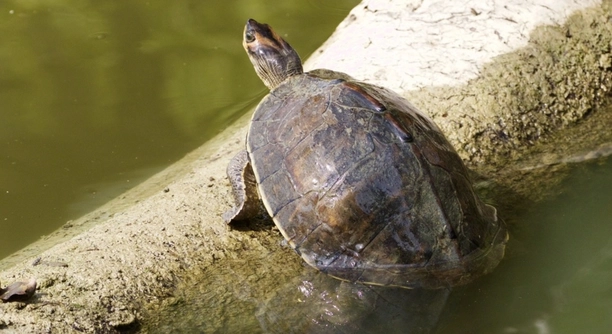
Dehydration is a common issue among Indian Roofed Tortoises, affecting their health and well-being. Understanding the causes can help you care for your pet better and ensure they stay hydrated and happy.
The primary causes of dehydration in Indian Roofed Tortoises include inadequate water supply, insufficient humidity, high temperatures, poor diet, stress, underlying health issues, and improper habitat conditions. Identifying these causes is crucial to preventing dehydration.
By recognizing these factors, you can take steps to improve your tortoise’s environment and overall health. Keep reading to learn more about how you can prevent dehydration in your pet.
Inadequate Water Supply
Water is essential for your tortoise’s survival, and without it, dehydration can quickly set in. A common cause of dehydration is simply not providing enough water for your pet. While tortoises can drink water directly from a bowl, they also absorb moisture through their skin and from food. If the water source is insufficient or not fresh, your tortoise may struggle to stay hydrated.
It’s important to offer fresh water daily in a shallow dish that is easy for them to access. Be sure to change the water frequently, as standing water can become contaminated, making it less appealing for your tortoise to drink.
Along with providing water in a dish, you should occasionally mist the habitat, especially in drier environments, to help your tortoise absorb moisture from the air. A consistent water supply ensures that your tortoise stays healthy and hydrated, preventing many of the issues associated with dehydration.
Insufficient Humidity
Tortoises require a certain level of humidity to stay hydrated. Without it, they may become dehydrated, leading to various health problems. Too dry of an environment can make it hard for your tortoise to absorb enough moisture from the air.
Maintaining proper humidity levels in the enclosure is key. You can use a hygrometer to monitor the humidity and adjust the enclosure as needed. For the Indian Roofed Tortoise, a humidity range of 50% to 70% is typically ideal.
To achieve the right humidity, consider placing a water dish in the habitat and lightly misting the environment several times a day. This helps to prevent dehydration and keeps your tortoise comfortable. If you live in a particularly dry area, a humidity system like a humidifier might be necessary. Keeping these levels in check will ensure your tortoise remains hydrated and healthy.
High Temperatures
Tortoises are cold-blooded animals, which means they rely on external heat sources to regulate their body temperature. However, extremely high temperatures can cause dehydration. When the temperature rises too much, your tortoise may lose moisture rapidly through its skin, leading to dehydration.
To prevent overheating, ensure the temperature inside the enclosure is regulated, especially during warmer months. Providing a shaded area within the enclosure and offering a temperature gradient allows your tortoise to regulate its body temperature. Keep the basking area warm, but avoid excessive heat.
Excessive heat can also cause your tortoise to become stressed, which further exacerbates dehydration. If your tortoise is exposed to high temperatures for too long, it may not feel the urge to drink enough water. This is why monitoring both temperature and humidity levels in your tortoise’s environment is critical to prevent dehydration.
Poor Diet
A diet lacking in moisture-rich foods can also contribute to dehydration in tortoises. While tortoises primarily feed on dry grasses and leaves, they also benefit from fruits and vegetables that provide hydration. Without the right food, your pet may not get the water it needs, increasing the risk of dehydration.
Leafy greens like kale and dandelion greens are great choices for tortoises. These provide not only nutrition but also moisture. Additionally, fruits like watermelon and strawberries are excellent for hydration, though they should be offered in moderation due to their sugar content.
Feeding your tortoise a variety of fresh, hydrating foods ensures they are getting the necessary moisture for their health. Dry foods such as hay should still be provided, but it’s crucial to balance the diet with more hydrating options to prevent dehydration.
Stress
Stress can be another factor leading to dehydration in Indian Roofed Tortoises. When a tortoise is stressed, it can affect its behavior, causing it to drink less or eat improperly. Various stressors can contribute to this, such as an overcrowded enclosure, sudden changes in environment, or handling too frequently.
A calm and stable environment is essential for your tortoise’s well-being. Avoid moving your tortoise’s habitat too often and provide hiding spots where it can feel secure. Ensure the enclosure is not too crowded and that it offers plenty of space to roam.
Stress can make it difficult for your tortoise to hydrate properly, as it may lose interest in drinking water or eating hydrating foods. Maintaining a quiet, stable, and low-stress environment will help your tortoise stay hydrated and avoid other health issues.
Underlying Health Issues
Sometimes, dehydration in tortoises is caused by underlying health problems. Illnesses or infections can affect a tortoise’s ability to absorb or retain water properly, leading to dehydration. If your tortoise is refusing to drink, has a lack of appetite, or shows other signs of distress, it might indicate a medical issue that needs attention.
A visit to the vet is crucial if you suspect a health problem. The vet can run tests and provide the necessary treatments to help your tortoise recover. It’s also important to monitor your tortoise’s behavior regularly and make note of any changes.
A healthy tortoise will drink and eat as expected, so any deviation from normal behavior could signal a larger issue. Timely intervention from a vet will help address any underlying health issues and prevent prolonged dehydration.
Improper Habitat Conditions
If your tortoise’s habitat is not set up properly, it can lead to dehydration. The enclosure should offer both dry and moist areas, as this helps regulate humidity levels. Without proper adjustments, your tortoise may struggle to stay hydrated and experience health issues.
Make sure the habitat has appropriate lighting, heating, and humidity to maintain a comfortable environment. Tortoises also need a hide or shelter area where they can retreat. Inadequate space or improper conditions can add stress to your tortoise, which impacts its water intake. Maintaining the right temperature gradient and humidity is crucial.
If the environment is too hot, too dry, or lacks shelter, your tortoise will likely feel uncomfortable, leading to a decrease in hydration. Ensure that the habitat mimics their natural conditions as closely as possible. Keeping the enclosure clean, fresh, and properly maintained will go a long way in preventing dehydration.
Age and Size of the Tortoise
The age and size of your tortoise also influence its hydration needs. Baby and juvenile tortoises require more water due to their faster metabolism, while adult tortoises may drink less but still need consistent hydration. It’s essential to adjust their care depending on their stage of life.
Younger tortoises tend to be more susceptible to dehydration as they are still developing. In contrast, older tortoises may have less frequent water intake but still need proper hydration to support their joints, digestion, and overall health. Pay close attention to their water needs based on size and age.
It’s important to provide appropriate hydration resources for tortoises at different stages of life. Baby tortoises, in particular, should have access to shallow water to avoid drowning. Regular checks on your tortoise’s hydration status, regardless of age, will help prevent dehydration and promote long-term health.
Seasonal Changes
Seasonal changes can affect your tortoise’s hydration. In warmer months, tortoises tend to need more water due to the higher temperatures. During cooler months, they may drink less, but they still need adequate moisture to prevent dehydration.
It’s important to adjust their water availability and environmental conditions based on the seasons. For instance, during summer, ensure fresh water is always available, and consider misting the enclosure more frequently. In winter, while your tortoise may drink less, you should still monitor their hydration levels closely to avoid dehydration.
Adapting to these seasonal shifts ensures your tortoise receives consistent hydration throughout the year, despite the temperature fluctuations.
Lack of Access to Water
Sometimes, dehydration occurs because your tortoise simply doesn’t have enough access to water. If the water bowl is too deep or hard to reach, your tortoise might avoid it, which can lead to dehydration.
Consider using a shallow, easy-to-reach water dish to ensure your tortoise drinks regularly. Make sure the dish is clean and refilled with fresh water daily. Keep the water source in a location where your tortoise can easily access it without the risk of drowning or discomfort.
Poor Ventilation
Poor ventilation can cause the enclosure to become too humid or too dry, which directly impacts your tortoise’s hydration levels. Without proper airflow, humidity can become unbalanced, leading to dehydration or respiratory issues.
A well-ventilated habitat helps regulate humidity and temperature, allowing your tortoise to stay hydrated. Regularly check for air circulation and ensure vents are clear. Proper airflow helps maintain a healthy balance in the habitat, so your tortoise is neither too hot nor too dry.
FAQ
What are the signs of dehydration in an Indian Roofed Tortoise?
Common signs of dehydration include lethargy, sunken eyes, dry skin, and a lack of appetite. If your tortoise seems more sluggish than usual or refuses to drink, these could be indicators that it’s not properly hydrated. You may also notice that your tortoise has a dry or flaky shell, which is a result of not enough moisture. Pay attention to how your tortoise behaves, as these signs can help you catch dehydration early.
How often should I provide water to my tortoise?
Your tortoise should have access to fresh water daily. Tortoises can be picky about their water, so it’s important to ensure that the water dish is clean and easy to reach. You should also consider misting the habitat, especially in dry environments, to increase the humidity. If you notice that your tortoise isn’t drinking enough, you might need to adjust the water source or humidity levels in their enclosure.
Can a tortoise drink too much water?
While tortoises need water to stay hydrated, it’s unlikely they will drink too much if they are given access to fresh water at all times. However, over-hydration is rare but can occur if the tortoise is constantly soaking in water for long periods. Ensure the water dish is shallow and allow your tortoise to choose when they want to drink. Consistent monitoring will help you understand their water consumption habits.
How can I improve my tortoise’s hydration during the winter?
In colder months, tortoises naturally drink less, but they still need hydration. Ensure the humidity in the enclosure stays within the optimal range, which is around 50% to 70%. You can also provide moisture through foods like leafy greens and fruits, such as watermelon or strawberries. It’s also a good idea to continue misting the enclosure lightly to keep the air humidity at an appropriate level. Avoid heating the enclosure too much, as extreme temperatures can stress your tortoise.
What is the best type of water for my tortoise?
The best type of water for your tortoise is clean, fresh, and free from chemicals. Tap water can sometimes contain chlorine or fluoride, which might not be ideal for your tortoise. If possible, use filtered or dechlorinated water, especially if your tap water contains high levels of chemicals. Some owners opt for bottled water, but it’s usually best to let your tortoise drink water that has been properly treated to remove harmful substances.
Can dehydration affect my tortoise’s shell?
Yes, dehydration can affect the health of your tortoise’s shell. A dry environment can cause the shell to become brittle or develop cracks, which can lead to further complications. Keeping the tortoise well-hydrated and maintaining proper humidity levels in the enclosure will help preserve the shell’s health and prevent these issues. Proper hydration also helps the tortoise maintain its natural growth and overall vitality.
How do I ensure my tortoise is getting enough humidity?
To maintain adequate humidity, make sure your tortoise’s habitat includes a humid hiding spot and a water dish. A shallow water dish allows your tortoise to drink while also providing moisture in the air. You can mist the enclosure with water regularly, especially during dry periods. Keep an eye on the humidity levels using a hygrometer to ensure it stays in the optimal range for your tortoise. Additionally, ensure the habitat has a temperature gradient, allowing your tortoise to regulate its moisture needs based on the climate.
What is the ideal temperature for an Indian Roofed Tortoise?
The ideal temperature for an Indian Roofed Tortoise is between 80°F and 90°F (27°C – 32°C) during the day, with a basking spot of about 95°F (35°C). At night, the temperature should drop to around 70°F (21°C). A proper temperature gradient helps the tortoise regulate its body temperature and stay hydrated by encouraging proper metabolic functions. Keeping the habitat temperature stable will help prevent dehydration and other related health issues.
Should I feed my tortoise water-rich foods to help with hydration?
Yes, water-rich foods like leafy greens, cucumbers, and fruits such as watermelon can help keep your tortoise hydrated. These foods contain a high percentage of water, which aids in maintaining your tortoise’s hydration. Offering a variety of these hydrating foods along with regular access to fresh water is essential for keeping your tortoise healthy. Make sure to avoid sugary fruits in large amounts, as this can upset their digestive system.
Is it normal for my tortoise to drink very little water?
Some tortoises drink less water than others, but it’s important to monitor their behavior and look for signs of dehydration. If your tortoise is eating enough hydrating foods, they may drink less. However, if they refuse to drink, or if they show signs of dehydration, you should take immediate action by adjusting the humidity and providing more water sources. If the issue persists, a visit to the vet may be necessary to rule out any health problems.
Final Thoughts
Dehydration is a serious concern for Indian Roofed Tortoises, and understanding its causes can make a big difference in how well you care for your pet. Whether it’s due to inadequate water supply, improper humidity, or other environmental factors, dehydration can lead to health issues that could be easily avoided with some simple changes. Recognizing the signs of dehydration early—such as lethargy, sunken eyes, and dry skin—helps you take action before it becomes a major problem. With proper care, your tortoise can stay hydrated and healthy, which ultimately leads to a happier and more active pet.
Creating the right environment for your tortoise plays a key role in preventing dehydration. By providing fresh water daily, maintaining proper humidity, and offering a diet with plenty of moisture-rich foods, you help your tortoise stay hydrated. Regularly monitoring temperature and humidity levels in the enclosure is crucial, as these factors directly impact hydration. Additionally, making sure your tortoise has access to fresh, clean water and a proper hiding spot will help reduce stress, which can also contribute to dehydration. A well-maintained habitat ensures your tortoise has everything it needs to thrive.
It’s important to remember that each tortoise is unique, and their hydration needs may vary. Keep an eye on how your pet behaves and adjust the care routine as needed. If dehydration persists or your tortoise shows unusual symptoms, a visit to the vet might be necessary. Taking proactive steps in providing proper hydration, maintaining the right environment, and offering a balanced diet will go a long way in keeping your tortoise healthy. By staying aware of the causes of dehydration and addressing them quickly, you ensure that your tortoise enjoys a long and healthy life.

Hello,
If you enjoy the content that we create, please consider saying a "Thank You!" by leaving a tip.
Every little bit helps us continue crafting quality advice that supports the health, happiness, and well-being of pets around the world, for pets of all shapes, sizes, and species.
We really appreciate the kindness and support that you show us!