
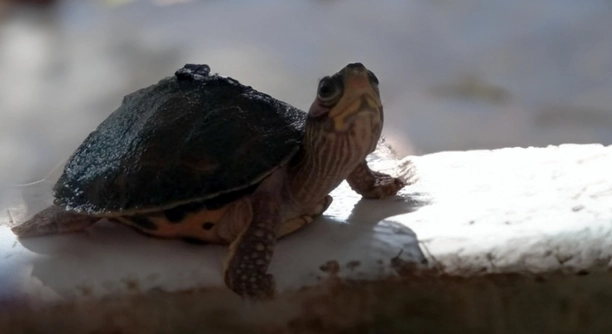
Tortoises are naturally slow movers, but they still need exercise to stay healthy. Ensuring your Indian Roofed Tortoise gets enough activity is crucial for its well-being. This article will help you determine if your tortoise is getting the right amount of exercise.
The best way to ensure your Indian Roofed Tortoise gets enough exercise is by providing a spacious area for exploration. Regular movement within this space promotes muscle development, enhances digestion, and supports overall health.
Exercise plays a vital role in your tortoise’s growth and vitality. Understanding how to meet their physical needs is important for keeping them active and happy.
Understanding the Importance of Exercise for Your Indian Roofed Tortoise
Exercise is a key factor in keeping your Indian Roofed Tortoise healthy. Though they are known for their slow pace, tortoises need regular movement to maintain muscle strength, improve digestion, and avoid obesity. A lack of exercise can lead to various health issues such as metabolic bone disease, poor shell growth, and reduced life expectancy. A healthy tortoise will naturally explore its environment, digging, climbing, and moving around in search of food. When you provide a large enough space for them, you help encourage these natural behaviors that contribute to their well-being.
Your tortoise’s enclosure should mimic a natural environment with plenty of space to roam. Avoid overcrowding the space with unnecessary items that could hinder movement. Enrich the environment with varied terrain like rocks, logs, and plants to encourage more physical activity.
It’s essential to observe your tortoise’s behavior. If it spends too much time inactive, it could be a sign of inadequate exercise. Additionally, offering them opportunities to interact with their surroundings will stimulate them mentally and physically.
Signs Your Tortoise May Not Be Getting Enough Exercise
If your tortoise seems inactive, it may not be moving enough. Look for signs such as lethargy, weight gain, or difficulty climbing.
Exercise is more than just movement; it’s about maintaining a balance between physical activity and proper nutrition. Regular exercise helps ensure that your tortoise burns off the calories it consumes, helping to prevent weight gain. A sedentary tortoise may become overweight, which can lead to further health issues. Lack of movement can also cause stiffness in the limbs and hinder its ability to move properly. If you notice these signs, it’s time to evaluate your tortoise’s environment and routine.
In addition to providing a larger enclosure, you can also schedule regular outdoor time for your tortoise. Natural sunlight will not only help it move more but also provide essential vitamin D for shell and bone health. Make sure the environment is safe from predators and obstacles that could harm your tortoise.
Creating the Ideal Environment for Exercise
Providing an appropriate enclosure is vital to encourage your tortoise’s movement. Ensure the area is large enough for it to explore comfortably. Add variety to the terrain to promote physical activity.
The enclosure should include climbing areas, hiding spots, and obstacles for your tortoise to navigate. These features will encourage natural behaviors like climbing and burrowing. A variety of surfaces such as rocks, logs, or plants will help simulate a more natural environment, offering your tortoise the opportunity to exercise without needing additional space. You can also use ramps to help them engage their muscles and improve coordination.
It’s important that the enclosure is free of sharp objects or hazards that might harm your tortoise. Be sure that the space also has proper temperature control, as this can affect its energy levels. The proper humidity and temperature allow your tortoise to move more freely and actively. A comfortable space will help them feel more inclined to move and explore.
Incorporating Outdoor Time for More Activity
Taking your tortoise outside can be a great way to increase exercise opportunities. A safe outdoor space encourages exploration.
When outside, ensure your tortoise has a secure area where it won’t be exposed to predators. Natural sunlight offers vital UV rays, which support bone health and overall well-being. Outdoor time lets your tortoise roam in a larger space, mimicking its natural habitat and promoting physical activity. This outdoor environment provides additional surfaces for climbing and digging, stimulating both physical and mental exercise.
Monitor your tortoise while outdoors to prevent it from wandering off or encountering dangers. The fresh air and sunshine will also have a positive impact on its mood, encouraging more activity and curiosity. If the weather is not suitable, provide indoor alternatives that mimic outdoor experiences.
Monitor Activity Levels Regularly
Observing your tortoise’s daily activity can help you identify if it’s getting enough exercise. A healthy tortoise should be seen moving around throughout the day.
Watch how often your tortoise moves, its behavior, and how it reacts when placed in a larger space. If it shows reluctance to move or seems overly sedentary, it may not be getting enough exercise. Regular movement is a sign of good health and physical well-being.
Keep track of your tortoise’s patterns and adjust the environment or routine if necessary. This will help you keep your tortoise active and healthy.
Diet’s Impact on Exercise
Diet plays a significant role in your tortoise’s energy levels and physical activity. A well-balanced diet supports exercise.
Overfeeding or offering an incorrect diet can lead to lethargy and weight gain, making it harder for your tortoise to be active. Too many high-fat foods can cause sluggishness, limiting movement. Make sure to provide a variety of foods, including leafy greens and vegetables, for better energy. Offer foods high in fiber to support digestion and general health.
A proper diet and exercise plan will help your tortoise maintain an active lifestyle.
Recognizing Stress and Its Effects
Stress can hinder your tortoise’s desire to move and exercise. Stress signs include hiding or refusing to eat.
Stress can result from overcrowded enclosures, incorrect temperatures, or a lack of proper hiding places. A stressed tortoise may become withdrawn, affecting its movement and overall health. Stress can also weaken its immune system, making it more vulnerable to illness. Make sure the environment is calm and safe for your tortoise.
FAQ
How much exercise does my Indian Roofed Tortoise need each day?
Your tortoise should ideally be active for at least 2 to 4 hours per day. This can be spread throughout the day with periods of rest in between. In a larger enclosure, they will naturally wander around, helping with muscle development and general health. The amount of exercise needed can vary based on the tortoise’s age, size, and health. Baby and juvenile tortoises are typically more active, while adults might move more slowly but still need plenty of space to explore.
Can I over-exercise my tortoise?
While it’s important to provide enough space and opportunities for exercise, over-exercising your tortoise can lead to exhaustion and stress. Over-exercising is less common than under-exercising, but it’s still something to be mindful of. Ensure that your tortoise has plenty of rest and that the environment is safe. Keep an eye on signs of fatigue such as heavy breathing, reluctance to move, or withdrawing into its shell. These could be signs that the tortoise needs a break.
What kind of space does my tortoise need for proper exercise?
A spacious enclosure with plenty of room to roam is essential for exercise. Ideally, the space should be at least 4 times the size of your tortoise, with areas for climbing, hiding, and exploring. Larger areas encourage natural behaviors like digging and walking. If possible, you can create an outdoor enclosure, providing even more space and opportunities for exercise. A varied environment with rocks, logs, and plants can make it more stimulating.
How do I encourage my tortoise to move around more?
You can encourage your tortoise to move by offering varied surfaces and hiding spots in its enclosure. This will spark curiosity and motivate it to explore. Adding ramps, rocks, or shallow tunnels can help your tortoise engage its muscles. If your tortoise is hesitant to move, try placing food in different spots to encourage movement. Make sure your tortoise feels safe, as a stressed tortoise will be less likely to move around.
Is outdoor time necessary for exercise?
Outdoor time can greatly enhance your tortoise’s physical activity. Natural sunlight helps with vitamin D production, which is vital for its bone health. An outdoor environment offers more space, varied terrain, and the chance to engage in natural behaviors, like foraging or climbing. However, outdoor time should be supervised to ensure your tortoise is safe from predators or getting lost. If the weather isn’t suitable, providing a safe indoor environment with adequate space can also support exercise.
How do I know if my tortoise is overweight?
Signs of an overweight tortoise include a bloated appearance, difficulty moving, or a lack of interest in exploring. Overweight tortoises might also have difficulty reaching food or show slower responses to stimuli. A healthy tortoise should have a firm, slightly rounded body shape, without excessive fat deposits. Regularly monitoring your tortoise’s weight and activity level will help you identify any issues early. If you suspect your tortoise is overweight, consider adjusting its diet and increasing its exercise routine.
Can exercise help with my tortoise’s digestion?
Yes, exercise plays a vital role in supporting healthy digestion. Physical activity helps stimulate your tortoise’s digestive system, improving nutrient absorption and promoting regular bowel movements. A sedentary tortoise may experience digestive issues, including constipation or slow metabolism. Encouraging regular movement through a spacious environment and outdoor time can help keep your tortoise’s digestive system functioning properly. A healthy diet, along with proper exercise, is essential for maintaining overall health.
How can I make sure my tortoise doesn’t become too sedentary?
To avoid a sedentary lifestyle, make sure your tortoise has enough space to roam and engage in natural behaviors. A lack of exercise can result from small enclosures or insufficient enrichment. Regularly observe your tortoise and look for signs of inactivity, such as staying in one spot for too long or showing little interest in food or surroundings. You can also introduce more stimulating activities, like hiding food or offering different textures to explore, to encourage movement.
What are some signs that my tortoise isn’t getting enough exercise?
If your tortoise isn’t moving enough, it may become lethargic, overweight, or lose interest in food. Another sign is if your tortoise struggles to climb or seems stiff when moving. You may also notice that your tortoise stays in one spot for extended periods. These are all indicators that it may not be getting the physical activity it needs. Keeping track of its behavior and providing a larger, more stimulating environment can help encourage more movement.
Can exercise prevent health problems in my tortoise?
Yes, regular exercise can prevent a variety of health problems in tortoises. Active movement helps with muscle and bone development, preventing conditions like metabolic bone disease. Exercise also promotes good digestion, helps prevent obesity, and can reduce stress. Keeping your tortoise active and engaged can increase its lifespan and overall quality of life. Regular exercise, combined with a balanced diet and proper care, will help ensure your tortoise remains healthy for many years.
How can I safely exercise my tortoise indoors?
Exercising your tortoise indoors is possible with the right setup. Provide a spacious, safe environment with enough room for your tortoise to walk, climb, and explore. You can use tunnels, ramps, and climbing structures to encourage movement. If possible, allow your tortoise to roam in different parts of the house for new experiences. Ensure the indoor space is free from hazards and that temperatures are regulated to keep your tortoise comfortable.
Final Thoughts
Ensuring that your Indian Roofed Tortoise gets enough exercise is essential for its overall health and well-being. Tortoises, although slow-moving creatures, still require regular physical activity to stay fit and active. Without enough movement, they can become overweight, stressed, or develop serious health issues, such as metabolic bone disease. Regular exercise helps keep their muscles strong, supports proper digestion, and boosts their overall mood. By providing them with ample space to roam and a variety of environmental features to explore, you can make sure your tortoise stays active and healthy.
Creating the right environment for exercise is key. A spacious enclosure with areas for climbing, digging, and hiding will encourage natural behaviors and allow your tortoise to move freely. Outdoor time can also provide your tortoise with more opportunities to explore and absorb sunlight, which is important for its bone health. However, be sure to supervise your tortoise when outside to keep it safe from predators and other hazards. Regularly observing your tortoise’s behavior and activity levels will give you valuable insight into its physical condition. If you notice signs of lethargy or reduced movement, it may be time to reassess its environment or exercise routine.
Ultimately, a balanced approach of proper diet, enough space, and sufficient exercise will contribute to the long-term health and happiness of your Indian Roofed Tortoise. Remember, every tortoise is different, so paying attention to your pet’s individual needs and adjusting accordingly will help ensure it stays active and well. With the right care, your tortoise can live a happy, healthy life and continue to thrive for many years to come.

Hello,
If you enjoy the content that we create, please consider saying a "Thank You!" by leaving a tip.
Every little bit helps us continue crafting quality advice that supports the health, happiness, and well-being of pets around the world, for pets of all shapes, sizes, and species.
We really appreciate the kindness and support that you show us!