
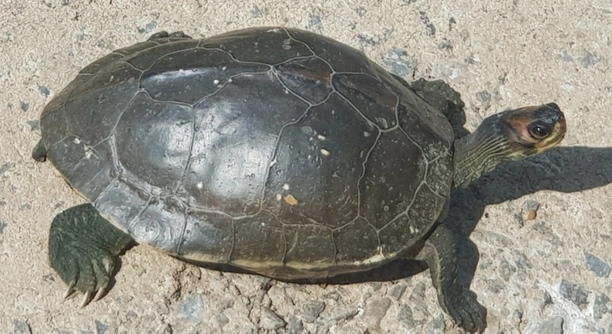
Keeping your Indian Roofed Tortoise tank smelling fresh can sometimes feel like a challenge. But with a few easy steps, maintaining a pleasant environment for both your pet and your home is possible.
To keep your tortoise tank smelling fresh, regular cleaning, proper ventilation, and maintaining dry bedding are key. Ensuring that food waste is removed promptly and replacing soiled substrate frequently will also help control odors and maintain a healthy environment.
By following these simple tips, your tortoise tank will stay cleaner and more pleasant for both you and your pet.
Clean the Tank Regularly
One of the easiest ways to keep your Indian Roofed Tortoise tank smelling fresh is to clean it regularly. Removing waste and old food prevents the buildup of bacteria and unwanted smells. You should clean the tank once a week at a minimum, but if you notice any unpleasant odors, it’s a good idea to do it more often. Start by removing all items from the tank, such as rocks, logs, and any decorations. Wash them thoroughly with warm water and a mild pet-safe cleaner. After that, empty the substrate and replace it with fresh bedding. Regular cleaning keeps odors under control and helps maintain a healthier environment for your tortoise.
It’s essential to clean all tank surfaces, including the walls, glass, and corners, where waste can accumulate. This is where bacteria can thrive, causing bad smells.
By keeping the tank clean, you not only prevent smells but also ensure that your tortoise has a safe and comfortable living space. The more often you clean, the better the overall air quality inside the tank will be.
Proper Ventilation
Proper ventilation is crucial for maintaining a fresh-smelling tank. Without good airflow, the tank can become stuffy, leading to unpleasant odors and moisture buildup. This can also create an environment that promotes mold growth, which is harmful to your tortoise. Ensure the tank has ventilation holes or a mesh lid to allow air to circulate freely. If your tank doesn’t have built-in ventilation, you can create it by adding a small fan nearby.
Good airflow keeps the air fresh and helps maintain the ideal humidity level for your tortoise. Too much moisture can lead to mold and an unpleasant smell. Be sure to monitor the humidity closely to avoid excess moisture, which can trap odors.
A well-ventilated tank prevents moisture from building up and promotes a healthier habitat for your tortoise. This will reduce the chances of foul odors and help keep your tank environment stable.
Use the Right Bedding
Choosing the right bedding material is important for controlling odors. Natural bedding like coconut coir, cypress mulch, or aspen shavings is a great option for your tortoise tank. Avoid using pine or cedar, as these can cause respiratory issues and contribute to bad smells. Coconut coir absorbs moisture well, helping keep the tank dry and fresh. It’s important to replace the bedding regularly, at least every two to three weeks, depending on how much your tortoise urinates. Fresh bedding will prevent smells and provide your tortoise with a comfortable surface to roam.
The bedding also plays a role in regulating the tank’s humidity. If it’s too dry, the air inside will become stale, which can lead to odors. You should ensure the bedding isn’t overly wet, as damp conditions encourage the growth of bacteria and fungi. The right balance of dry and slightly moist bedding helps maintain a fresh environment for your tortoise.
Rotating the bedding and making sure it is kept clean ensures that your tortoise’s tank remains free from unwanted smells. Regular maintenance of the bedding is one of the easiest ways to improve your tank’s overall condition.
Remove Food Waste Quickly
Food waste is a major cause of bad odors in tortoise tanks. The longer leftover food sits in the tank, the more it decomposes and creates smells. After feeding, remove any uneaten food immediately to prevent it from rotting. If your tortoise tends to leave food behind, check the tank regularly for leftovers. Keeping food in a separate dish that can be easily removed will help maintain cleanliness.
Some food, especially fruit, can spoil quickly, and mold growth is another factor that contributes to bad smells. It’s a good idea to give your tortoise fresh food daily and keep the tank clean to avoid moldy food buildup. Always wash the feeding dish between feedings to avoid bacteria growth, which can also lead to unpleasant odors.
Being proactive about removing food waste will prevent your tortoise’s tank from developing strong, unpleasant smells. A clean feeding area also promotes better health for your pet, as leftover food can attract pests or cause digestive problems.
Maintain Proper Lighting
Proper lighting is essential for your tortoise’s health, but it also plays a role in preventing odors. Ensure the tank gets adequate sunlight or use UVB lighting to mimic natural sunlight. UVB lights also help with the digestion of calcium, which is crucial for your tortoise’s bones and shell health. Proper lighting reduces the chances of excess moisture buildup and mold growth, which can cause unpleasant smells.
Providing a light cycle with both day and night intervals helps maintain a balanced environment. Excessive humidity and heat combined with poor lighting can lead to a damp, stale tank that attracts bacteria and mold.
A good lighting system can keep your tortoise’s environment dry, healthy, and fresh, which will reduce odors. Make sure the light is positioned at the right height to avoid overheating.
Control Humidity Levels
Maintaining proper humidity levels is essential for both your tortoise’s comfort and odor control. Too much moisture can lead to mold, bacteria growth, and foul smells. On the other hand, if the tank is too dry, it can cause respiratory issues for your tortoise. Aim to keep the humidity at around 50-60% for most tortoises, adjusting based on their species’ specific needs.
A hygrometer is an easy way to monitor humidity levels. If humidity levels are too high, consider adding more ventilation or using a dehumidifier nearby. If they’re too low, try misting the tank lightly, but avoid overdoing it. Humidity control helps keep odors in check while ensuring a comfortable environment for your tortoise.
Keep the Tank Dry
Keeping the tank dry is a key step in preventing unpleasant odors. Moisture can cause bedding and substrates to smell, so be sure to remove excess water. Use a towel or absorbent material to dry out wet spots, especially after cleaning or if the tortoise has spilled water.
Moisture buildup can also cause harmful bacteria to thrive, leading to odors. Drying the tank regularly will help prevent this issue, creating a healthier habitat for your tortoise.
FAQ
How often should I clean my tortoise’s tank to prevent smells?
You should clean your tortoise’s tank at least once a week. However, if you notice any unpleasant odors or visible waste buildup, it’s best to clean it more frequently. Cleaning the tank involves removing soiled bedding, washing the tank surfaces, and replacing the substrate. The more often you clean, the less chance there is for smells to develop. If your tortoise tends to urinate or defecate in specific areas, focus on cleaning those spots daily to minimize odors. A fresh and clean tank will prevent bacteria from building up and causing unpleasant smells.
What kind of bedding is best for my Indian Roofed Tortoise to avoid bad smells?
Coconut coir, cypress mulch, or aspen shavings are great bedding choices for tortoises. They are natural, absorb moisture well, and help control odors. Avoid using pine or cedar, as the oils in these woods can irritate your tortoise’s respiratory system and contribute to a smelly environment. Coconut coir, in particular, is a good option because it’s both absorbent and easy to maintain. Be sure to replace the bedding every two to three weeks, depending on how much your tortoise urinates, to keep smells under control.
Can poor ventilation cause odors in the tortoise tank?
Yes, poor ventilation can certainly contribute to bad smells. If the tank isn’t well-ventilated, humidity can build up, creating a damp, stagnant environment that encourages bacteria and mold growth. Make sure your tortoise’s tank has sufficient airflow by providing ventilation holes or using a mesh lid. If your tank doesn’t have built-in ventilation, consider placing it in a location with good air circulation. Maintaining proper airflow not only helps keep odors in check but also ensures your tortoise has a healthy environment to thrive in.
What foods should I avoid feeding my tortoise to prevent smells?
Some foods, like fruits, spoil quickly and can lead to bad odors if not removed promptly. It’s important to remove any uneaten food as soon as possible, especially items that are prone to rotting like fruit and leafy vegetables. Also, avoid feeding your tortoise highly perishable foods unless they are consumed immediately. Leafy greens, grasses, and some vegetables are fine, but anything left behind can rot and attract pests. Always make sure to clean the feeding area after each meal to keep your tank fresh.
How can I control humidity levels in the tank to prevent bad smells?
Monitoring humidity levels is crucial for both your tortoise’s health and odor control. Too much moisture in the tank can create an environment where mold and bacteria thrive, leading to smells. Use a hygrometer to check the humidity regularly. For most tortoises, humidity should be between 50-60%. If it’s too high, you can add more ventilation or use a dehumidifier nearby. If it’s too low, mist the tank lightly but don’t overdo it. Keeping the humidity at the right level ensures a fresh-smelling environment while promoting your tortoise’s well-being.
How can I stop my tortoise’s water bowl from getting dirty and smelly?
Water bowls can quickly become dirty if not maintained regularly. Clean your tortoise’s water bowl daily to prevent algae growth, bacteria, or debris buildup. If your tortoise tends to walk through or defecate in the water bowl, consider placing the bowl in an area of the tank where it’s less likely to be disturbed. You could also opt for a deeper water bowl to make it harder for your tortoise to walk through. Additionally, consider changing the water frequently to prevent stagnant water from developing odors.
What are the signs that my tortoise tank has excess moisture?
Excess moisture in the tank can lead to several issues, such as mold growth and unpleasant smells. Signs of excess moisture include damp bedding, condensation on the tank walls, and a musty or moldy smell. If you notice these signs, take action immediately. Reduce humidity levels by improving ventilation or using a dehumidifier. Make sure the tank is dry by wiping down surfaces and changing wet bedding. Keeping your tortoise’s environment dry helps prevent the growth of bacteria and mold, ensuring a fresh-smelling tank.
Is there a way to prevent my tortoise’s tank from smelling without using chemicals?
Yes, there are several natural ways to keep your tortoise’s tank smelling fresh without using chemicals. Regular cleaning, proper ventilation, and maintaining dry bedding all play significant roles in odor control. Additionally, consider using natural odor-absorbing materials like activated charcoal or baking soda in the tank. These can help reduce smells without posing any harm to your tortoise. Simply place a small amount in a discreet area of the tank where your tortoise can’t access it directly. These natural methods can be just as effective as chemical air fresheners.
How can I tell if my tortoise’s tank needs to be cleaned more often?
If you notice any unpleasant smells or if the tank looks visibly dirty, it’s time to clean it. Pay attention to the substrate, as any waste or urine buildup can lead to strong odors. If your tortoise is spending more time in one area, that might be a sign that the tank needs to be cleaned more frequently. It’s also helpful to check the water bowl for any signs of contamination. If the tank’s appearance or smell isn’t fresh, cleaning more often will help maintain a healthier environment for your tortoise.
Can I use air fresheners or sprays to keep the tortoise tank smelling nice?
It’s best to avoid using air fresheners or sprays in your tortoise’s tank. These products often contain chemicals that can be harmful to your pet, especially in an enclosed space. Instead, focus on natural methods like cleaning regularly, ensuring proper ventilation, and using natural odor absorbers. Keeping the tank fresh through regular maintenance is the safest and most effective way to control odors without introducing harmful substances into the environment.
Keeping an Indian Roofed Tortoise tank smelling fresh requires some simple but consistent effort. Regular cleaning is key, as it helps prevent waste and food from accumulating, which could lead to unpleasant odors. Removing leftover food right after meals and replacing soiled bedding ensures that bacteria and mold don’t have a chance to build up. A clean tank not only reduces bad smells but also creates a healthier environment for your tortoise to thrive in. By focusing on small tasks like these, you can easily maintain a pleasant smell and a happy tortoise.
In addition to cleaning, it’s important to consider other factors such as ventilation, humidity, and lighting. Ensuring that the tank has good airflow and proper lighting will help control moisture levels, preventing the growth of mold and bacteria that cause odors. Too much humidity or poor ventilation can quickly turn your tank into a smelly, damp environment. On the other hand, too little humidity can stress your tortoise and cause health problems. By finding the right balance, you can make sure both your tortoise and its habitat stay healthy and odor-free.
Ultimately, a little attention to detail goes a long way in maintaining a fresh tank. Choosing the right bedding, monitoring the humidity, and cleaning regularly are all straightforward steps that can prevent bad smells. It’s important to remember that these habits don’t take up much time but make a big difference. By following these tips, you’ll be able to enjoy the company of your tortoise in a clean, pleasant-smelling environment. A few simple steps can ensure your tortoise’s home is not only clean but also comfortable and safe.

Hello,
If you enjoy the content that we create, please consider saying a "Thank You!" by leaving a tip.
Every little bit helps us continue crafting quality advice that supports the health, happiness, and well-being of pets around the world, for pets of all shapes, sizes, and species.
We really appreciate the kindness and support that you show us!