
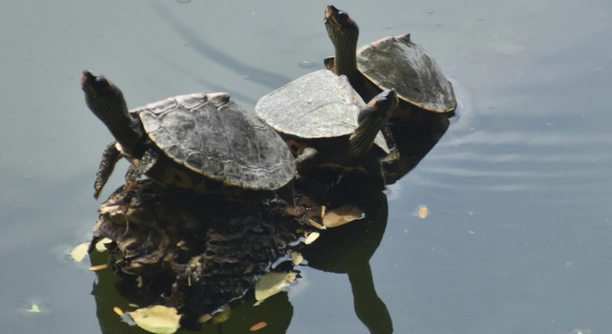
Indian Roofed Tortoises are known for their unique behaviors, and sometimes, they can seem a bit picky when it comes to food. If your tortoise has started running away from its meals, there may be some reasons behind this puzzling behavior.
The most common reason for this behavior is stress or discomfort, which could be caused by environmental factors like temperature, lighting, or diet. A sudden change in its surroundings or food can lead to your tortoise avoiding meals.
Understanding why your tortoise is refusing food can be tricky, but identifying the root cause is the first step in fixing the issue. Stay tuned to learn more about how you can help your tortoise enjoy mealtime again.
Environmental Factors Affecting Your Tortoise’s Eating Habits
Sometimes, the environment around your Indian Roofed Tortoise may be the reason for its food refusal. These tortoises are sensitive to temperature and humidity changes, which can cause them stress. If the basking area is too hot or too cold, your tortoise might avoid eating because it doesn’t feel comfortable enough to eat. Similarly, incorrect lighting can impact their natural behavior, leading them to lose interest in food. To ensure your tortoise feels safe, the enclosure temperature should be between 75°F and 85°F, with a basking spot reaching up to 95°F. The humidity should also be maintained around 60-80% to replicate the tortoise’s natural habitat.
Even small changes in their environment can have a significant impact on their appetite. If you’ve recently moved the tank or changed the lighting, this could be enough to make your tortoise hesitant to eat.
So, keeping a stable and suitable environment for your tortoise is crucial for its eating habits and overall well-being. By adjusting these factors, you can encourage your tortoise to feel more comfortable and start eating again.
Diet and Food Preferences
Another common reason for food refusal is an issue with the type of food offered. Tortoises have specific dietary needs, and a change in food variety or poor-quality food may make them turn away. Some tortoises can be picky eaters, and they may prefer one food over another. Providing a balanced diet with appropriate fruits, vegetables, and greens can be tricky if you’re unsure of what your tortoise likes or needs. It’s essential to avoid offering food that’s too rich in oxalates or high in moisture, as this can cause digestive issues.
If your tortoise has been eating well and suddenly refuses its usual food, it might be time to introduce a new food item. Experiment with offering different leafy greens, such as dandelion greens, collard greens, or even a bit of cactus pads. Changing the food presentation, like chopping it up differently or offering food in a new spot, might help spark its interest.
Feeding time should be an enjoyable experience for your tortoise, so don’t be afraid to try different foods. Just make sure the diet remains balanced, and you avoid foods that could harm its health.
Stress and Anxiety
Stress is a big factor when it comes to tortoises refusing food. If your tortoise feels threatened, scared, or overwhelmed, it might stop eating. Any sudden changes in its environment, like a new pet in the house or loud noises, can cause anxiety.
Tortoises are naturally shy and prefer a calm and secure environment. If there are frequent disturbances around their enclosure, they may feel stressed, leading to a lack of interest in food. It’s important to keep the surroundings quiet and avoid unnecessary handling, especially during mealtime.
Also, ensure that their enclosure has plenty of hiding spots. This allows them to feel safe and reduce the chances of anxiety. A stressed tortoise will often hide more, retreating from the food until it feels comfortable again.
Health Issues
If your tortoise consistently refuses food, there could be an underlying health issue. Internal parasites or digestive problems may be affecting its appetite. Infections, respiratory issues, or even dental problems can also cause your tortoise to avoid eating.
Pay close attention to any other symptoms, like lethargy, excessive hiding, or changes in behavior. If you notice these signs, it’s crucial to get your tortoise checked by a vet. A thorough examination can help identify any health concerns that need treatment.
For example, respiratory infections are common in tortoises, and they can cause discomfort while eating. These health issues may go unnoticed for a while, so regular checkups are essential. When the root cause is treated, your tortoise may return to its usual eating habits.
Feeding Schedule
A lack of routine can cause confusion for your tortoise. If feeding times are inconsistent or irregular, your tortoise may not know when to expect meals, leading to food avoidance. Stick to a consistent feeding schedule for better results.
Tortoises thrive on routine. If you’re feeding at random times throughout the day, your tortoise may not be hungry or may become stressed. By offering food at the same time daily, you help your tortoise develop a predictable eating pattern. Consistency also allows your tortoise to anticipate mealtime.
Overfeeding
Overfeeding can also cause your tortoise to avoid food. If it’s eating too much at once or receiving too many treats, it may not be hungry at its next meal.
Monitor how much food you’re offering and make sure it aligns with your tortoise’s needs. If your tortoise isn’t finishing its meals, try offering smaller portions more frequently. This approach will help encourage it to eat when food is presented.
Substrate Issues
The material your tortoise is walking on can sometimes affect its eating behavior. If the substrate is uncomfortable or too rough, your tortoise may avoid eating.
Choosing the right substrate is key for comfort. Soft materials like coconut coir or hay provide a better environment and encourage movement, which can positively affect their eating habits.
FAQ
Why is my Indian Roofed Tortoise running away from its food?
Your tortoise might be running away from its food due to various factors. The most common reasons include stress, environmental discomfort, or health problems. If its habitat isn’t set up correctly, such as incorrect temperature or lighting, it could feel unsafe or uncomfortable. A tortoise may also avoid food if it’s not feeling well or if the food is something it dislikes. Keep an eye on the surroundings and check if any environmental changes could be affecting it.
How do I know if my tortoise is stressed?
Signs of stress in your tortoise may include hiding more often, refusing food, or showing a lack of interest in exploring its habitat. It might also become more aggressive or skittish. If there are noticeable changes in behavior, like being unusually lethargic or reclusive, stress could be the cause. Addressing environmental factors such as noise, changes in routine, or too much handling can help alleviate this stress.
Can my tortoise’s diet affect its appetite?
Yes, a poor diet can lead to a loss of appetite. Tortoises need a balanced diet with proper nutrients. If they’re offered food that doesn’t suit their taste or health needs, they might reject it. Introducing a variety of leafy greens and vegetables is key. Avoid giving your tortoise too many high-sugar or high-fat foods, as this can also decrease its appetite. Consistency in offering fresh, safe foods will help encourage eating.
What if my tortoise refuses to eat certain types of food?
Indian Roofed Tortoises can be picky eaters. If they’re refusing a particular food, try offering a variety of greens, vegetables, and fruits to see what they prefer. It’s important to research which foods are safe for them and avoid those that can cause digestive problems. Sometimes, simply changing the way food is presented or offering it in a different spot can make a difference.
Is it normal for my tortoise to fast for a while?
Tortoises, like many reptiles, can occasionally fast without it being a sign of something serious. It’s normal for them to refuse food if they’re adjusting to a new environment, if the temperature is too high or low, or if they’re entering a period of rest or dormancy. However, if the fasting lasts more than a week or is combined with other symptoms like lethargy or weight loss, a vet visit is recommended.
Can I overfeed my tortoise?
Yes, overfeeding is a common issue with tortoises. If they are offered too much food or high-calorie treats, they can become overweight, which can lead to health problems. Tortoises tend to eat until the food is gone, so it’s important to give them appropriate portions. Ensure that you are providing a balanced diet in the right quantities based on your tortoise’s size, age, and activity level.
How often should I feed my Indian Roofed Tortoise?
A healthy adult Indian Roofed Tortoise should be fed every other day, while younger tortoises need more frequent meals. The frequency will depend on its age, size, and activity level. Overfeeding can lead to obesity, so it’s essential to establish a consistent routine without providing excessive amounts. Offering fresh food in small portions ensures they get the nutrients they need without overeating.
What temperature should my tortoise’s habitat be?
Temperature plays a critical role in your tortoise’s well-being and eating habits. The basking area should be around 95°F, while the cooler part of the enclosure should be between 75°F and 85°F. This temperature range helps your tortoise digest food properly and remain active. If the temperature is off, your tortoise may become sluggish, refuse food, or even become stressed.
Should I change my tortoise’s substrate?
Yes, changing the substrate regularly is important for your tortoise’s health. A dirty or inappropriate substrate can lead to discomfort, which might cause your tortoise to avoid eating. It’s essential to keep the substrate clean and dry, ensuring your tortoise has a safe, comfortable area to roam. Natural, soft materials like coconut coir or organic soil work well and encourage normal behavior.
When should I be concerned about my tortoise’s health?
If your tortoise continues to refuse food for several days or shows signs of illness such as coughing, lethargy, or unusual shell discoloration, it’s time to consult a vet. Prolonged loss of appetite could indicate a more serious health problem like an infection, parasites, or metabolic disease. Early intervention is key to ensuring your tortoise stays healthy and happy.
How can I encourage my tortoise to eat again?
The first step is to check the environment. Ensure the temperature, lighting, and humidity are appropriate. If the habitat is suitable, try offering a variety of foods, such as leafy greens, fresh vegetables, and a small amount of fruit. If your tortoise still refuses food, try changing its food presentation or offer it a new spot. Reducing stressors like noise or excessive handling can also help. If problems persist, consider a vet visit.
Final Thoughts
It can be frustrating when your Indian Roofed Tortoise keeps running away from its food. However, understanding the reasons behind this behavior can help you address the issue effectively. Whether it’s environmental factors, diet preferences, or health concerns, there are many potential causes. The key is to remain patient and attentive to what your tortoise might be experiencing. With some observation and adjustments to its living conditions, feeding routine, and overall care, you can help your tortoise get back to eating regularly.
Remember that a tortoise’s appetite can be affected by several things. Environmental stress, like improper temperature or lighting, can discourage eating. Ensuring your tortoise’s habitat is set up correctly will make a big difference in its overall well-being. If the food offered isn’t to its liking, trying new foods or changing the presentation can also encourage it to eat. Regularly offering fresh, varied foods is important to meet its nutritional needs and maintain a healthy diet. With some trial and error, you’ll likely find the right balance that works for your tortoise.
If your tortoise continues to refuse food despite your best efforts, it’s crucial to consult a vet. Persistent food refusal could be a sign of an underlying health issue that needs medical attention. Early intervention can help resolve any potential problems before they get worse. Always keep an eye on any other symptoms like lethargy, changes in behavior, or abnormal shell conditions, as these can be signs of illness. By staying informed and making the right adjustments, you can ensure your tortoise remains healthy, comfortable, and happy.

Hello,
If you enjoy the content that we create, please consider saying a "Thank You!" by leaving a tip.
Every little bit helps us continue crafting quality advice that supports the health, happiness, and well-being of pets around the world, for pets of all shapes, sizes, and species.
We really appreciate the kindness and support that you show us!